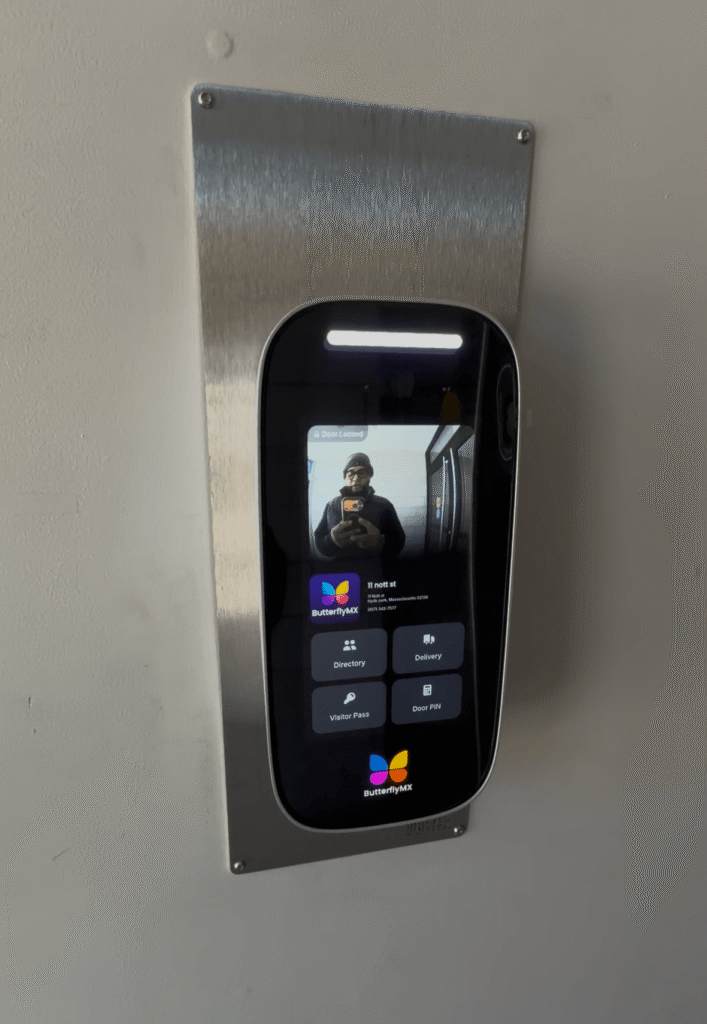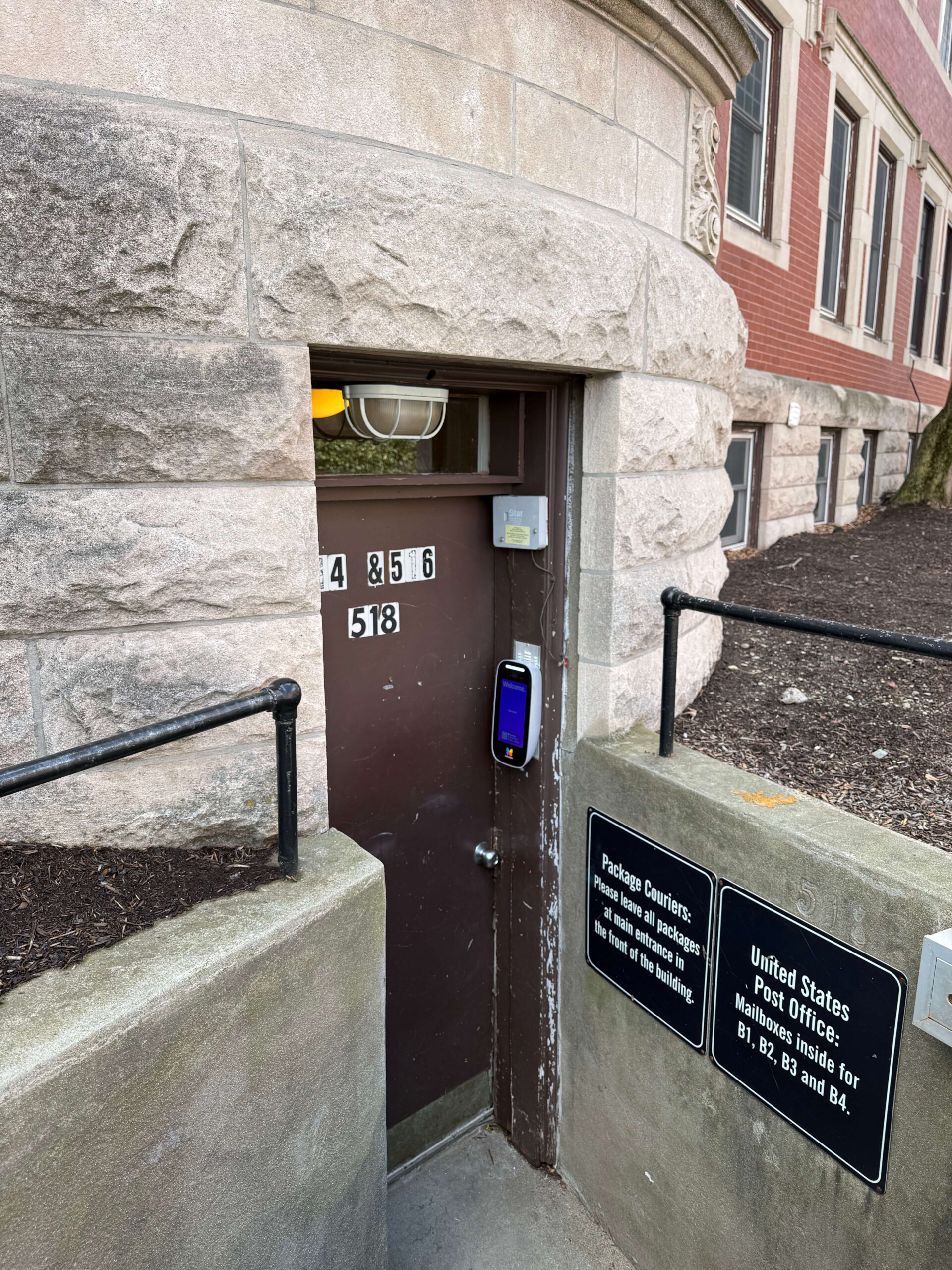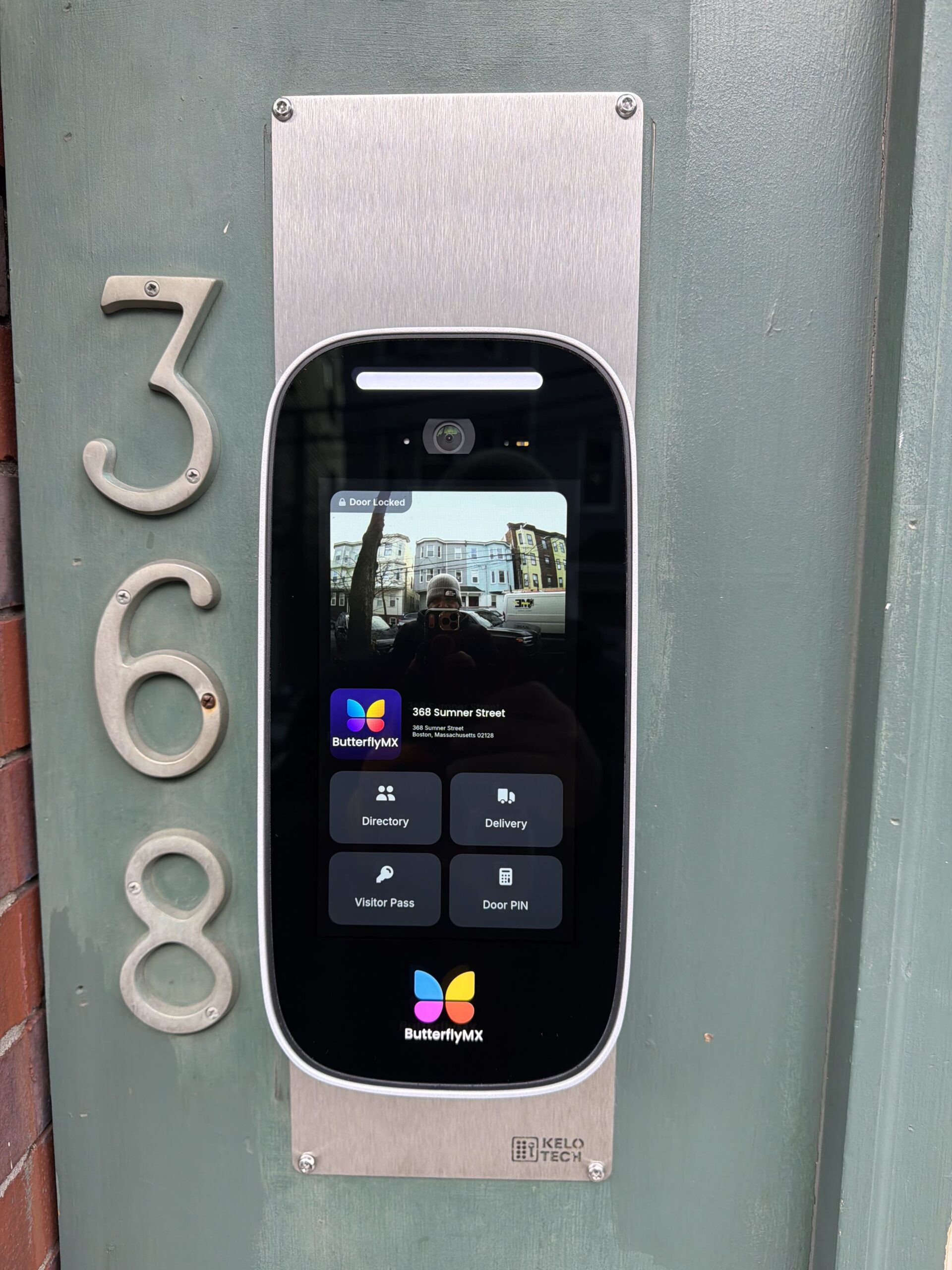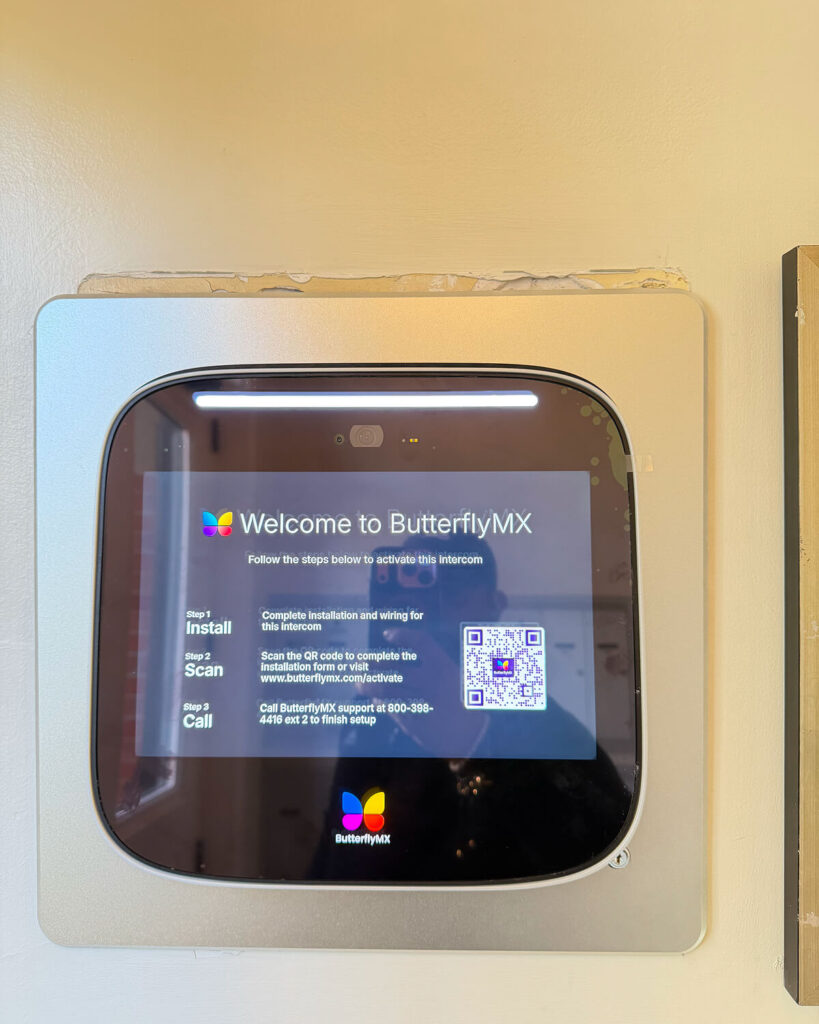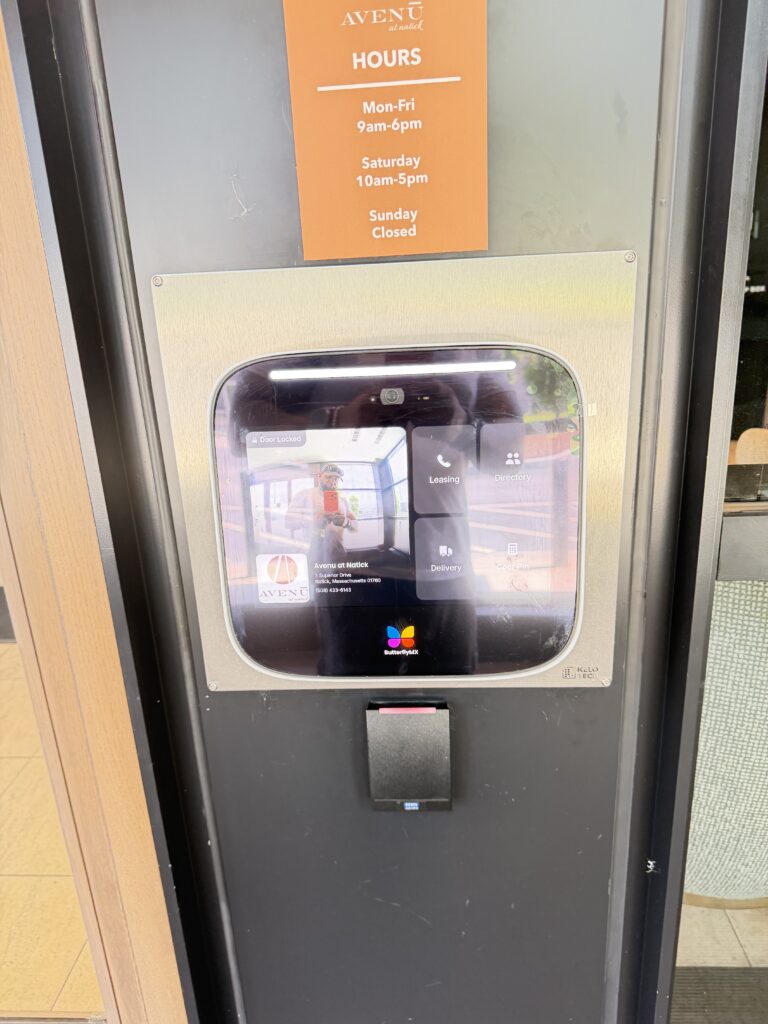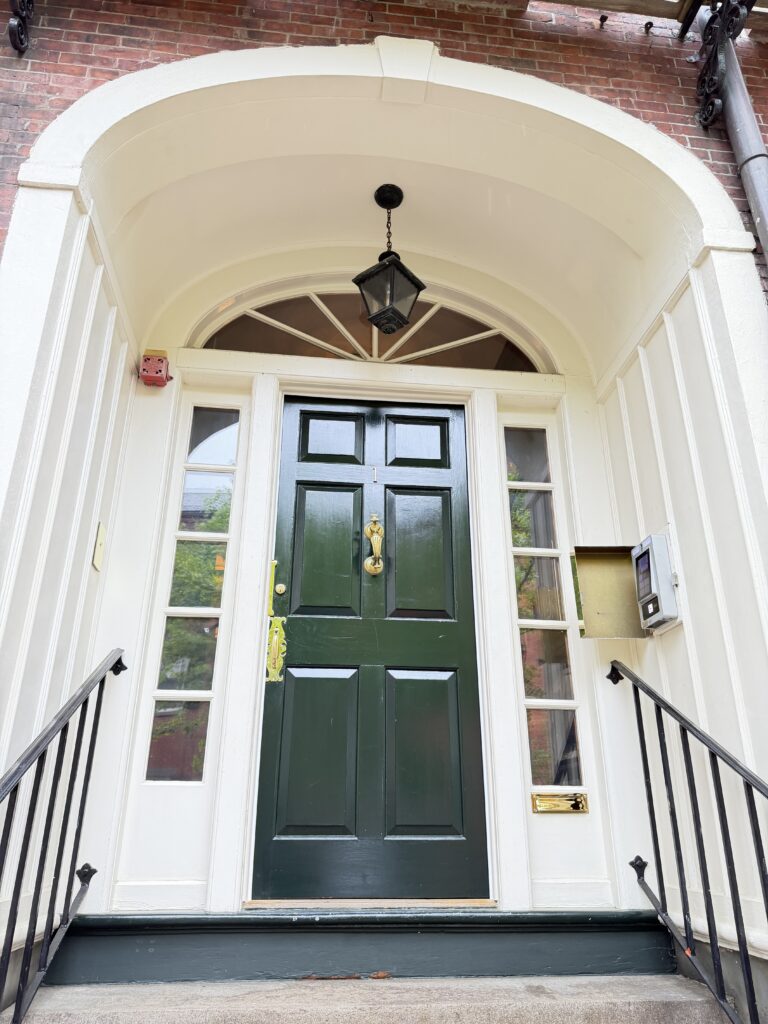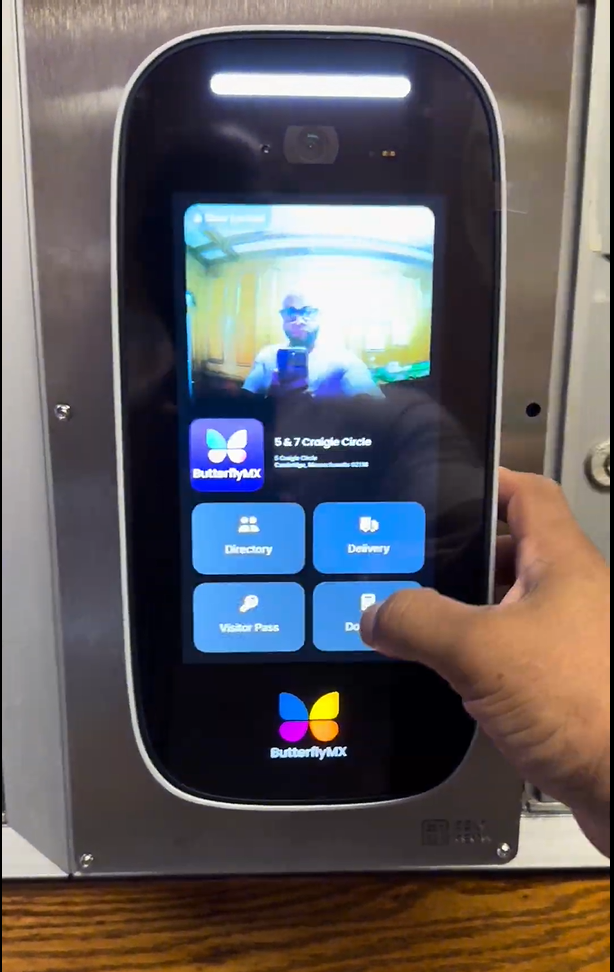
We design and install secure access control systems that give you full control over who enters your property. From single-door setups to multi-entry facilities, our solutions are built for reliability, scalability, and seamless integration.
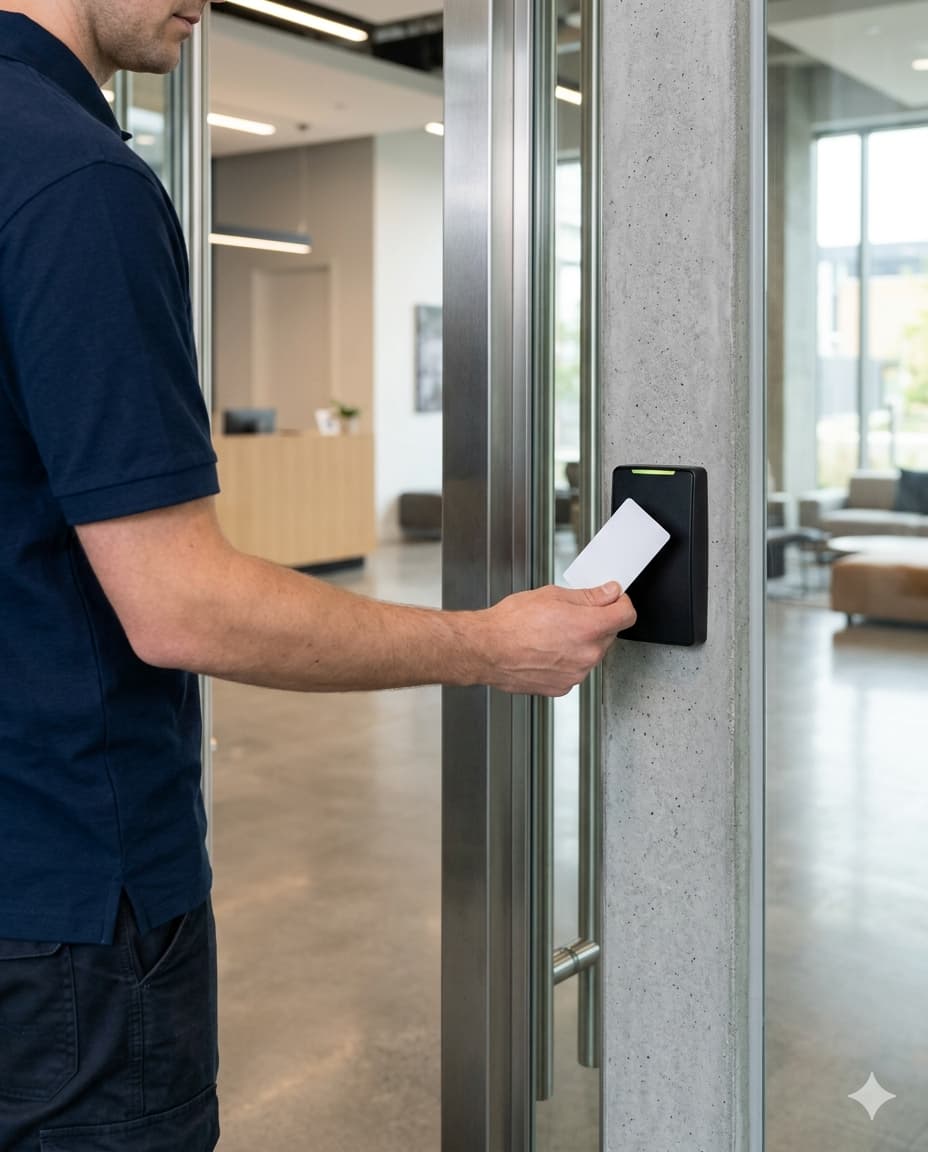
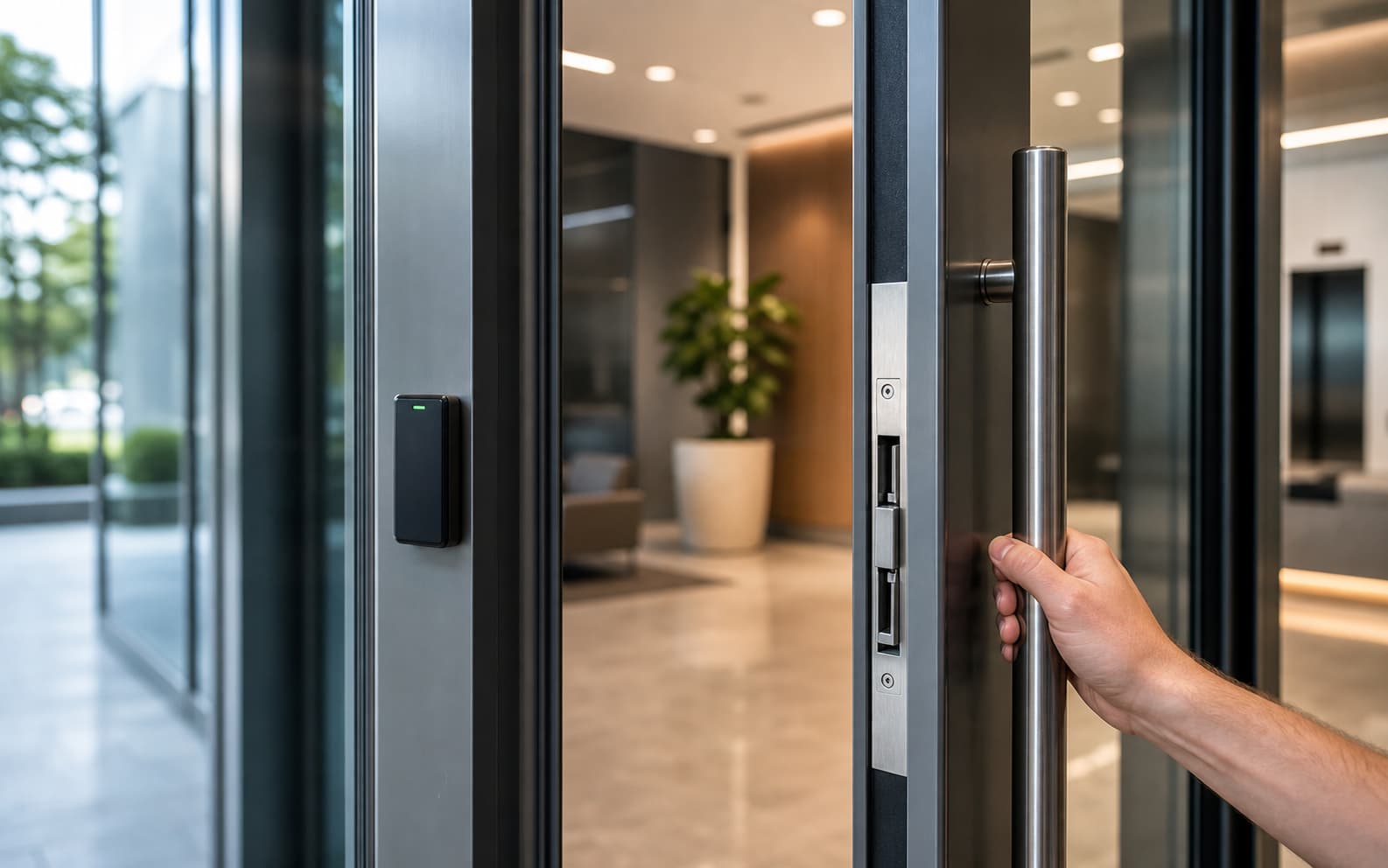
Our access control systems are designed to provide secure, controlled entry management for residential, commercial, and multi-unit properties. We begin with a detailed assessment of your building layout, traffic flow, and security requirements to design a system that aligns with your operational needs. Our team installs controllers, readers, electric strikes, magnetic locks, and mobile credential solutions using structured low-voltage wiring for long-term reliability. Each system is professionally configured to manage user permissions, schedules, and access levels with precision.
We ensure seamless integration with intercom, surveillance, and smart automation platforms when required. Whether you need a single-door solution or a multi-entry infrastructure, we build scalable systems that grow with your property. Every installation is tested thoroughly to ensure secure operation and dependable performance. Our focus is not just on access — but on intelligent, efficient entry management.

We review your objectives, property requirements, and security priorities to understand your project scope.

A qualified technician conducts a detailed evaluation of your property, infrastructure, and system layout.

We prepare a tailored proposal outlining recommended solutions, system specifications, and project scope.

Our team completes the installation with precision, ensuring proper wiring, configuration, and system performance.
Fast, straightforward quoting with clear scope and pricing. We assess your needs and deliver a reliable estimate without unnecessary delays.
View Our Completed Projects
Access control solutions are used to manage how people enter buildings, rooms, and restricted zones through defined rules and modern entry technologies. When implemented properly, these solutions help strengthen physical security, limit unauthorized movement, and support safe operation without disrupting daily activity. Today, businesses and property owners increasingly rely on access control security solutions to maintain consistent and predictable entry rules across different environments.
Modern buildings require structured methods for regulating entry that reflect real operational needs. Advanced solutions combine physical protection, permission logic, and centralized coordination to support facilities of different sizes and layouts. In practice, this approach forms the foundation of professional access control services designed for reliable, long-term use.
Physical entry management focuses on doors, entrances, and perimeter points where movement must be controlled. These security solutions rely on credentials and predefined permissions rather than constant manual supervision.
Typical applications include:
This approach strengthens on-site protection while maintaining predictable movement patterns. It is often implemented as part of a broader access control installation strategy.
Logical permission management defines who is allowed to enter specific zones and under what conditions. It is commonly used in facilities where equipment, records, or materials require controlled handling.
Logical rules support:
This structure allows organizations to deliver an efficient access control service without relying on ongoing manual intervention.
Centralized oversight allows administrators to manage multiple entry points from a single interface. This approach reduces administrative effort and improves response times when changes are required.
Centralized platforms allow:
This level of coordination is essential for enterprise environments and is commonly supported through professional access control services.
Systems deployed in active facilities must remain reliable, adaptable, and straightforward to maintain under daily operating conditions. Proper planning during access control installations helps ensure long-term stability and performance.
Electronic platforms replace traditional keys with programmable credentials. Wireless configurations simplify deployment and reduce structural disruption during installation.
Key advantages include:
These platforms are suitable for both new facilities and retrofit projects and are frequently used during access control installation initiatives.
Entry management platforms often rely on card reader devices, electronic door lock components, and touchless entry technologies to regulate movement throughout a facility.
Common tools include:
These technologies are commonly integrated during access control systems installation to support smooth, reliable daily use.
Biometric solutions verify identity using unique physical characteristics such as fingerprint recognition.
They offer:
Biometric and fingerprint options are typically included as part of advanced access control installations for enterprise and industrial facilities.
Ongoing services help maintain system stability, relevance, and protection over time.
Large facilities often require structured service programs to support complex operational environments.
Services may include:
These activities are commonly delivered through professional access control services.
Residential and small business solutions prioritize simplicity and cost efficiency while maintaining reliable protection.
Support typically includes:
For many properties, this support begins with a carefully planned installation of access control system tailored to the building layout.
Remote oversight allows authorized staff to adjust entry permissions without being physically on site.
Remote service capabilities include:
This approach is especially valuable for properties managed near me or across multiple locations.
Correct installation is critical for system reliability and compliance.
Installation involves detailed planning to ensure compatibility with existing building infrastructure. A professional installation of access control system ensures all components operate together as a unified platform.
The process includes:
Integrated deployment supports stable and predictable performance.
System installation focuses on securing each door and entrance based on layout, usage patterns, and security requirements.
Typical installations include:
This stage represents a core part of access control installation work for both new and existing buildings.
Choosing certified providers helps ensure compliance, faster response times, and reliable long-term support. Many clients search specifically for access control system installation near me when planning security upgrades.
Certified access control installation companies offer:
This makes access control installation near me a practical option for properties with urgent or evolving security needs.
When selecting entry management technologies, decision-makers often focus on hardware features while overlooking operational considerations. In practice, long-term effectiveness depends on how well a solution aligns with daily routines, staffing patterns, and future growth plans.
One key factor is credential lifecycle management. As teams change, credentials must be issued, modified, or revoked efficiently. Delays in this process can lead to access issues or unintended exposure. Well-designed platforms allow administrators to manage these updates without technical assistance.
Audit visibility is another important consideration. Facilities that require compliance reporting benefit from clear activity logs showing when and how entry points are used. Over time, this visibility supports internal reviews and operational decision-making.
Environmental conditions also influence performance. Industrial sites may expose hardware to dust, vibration, or temperature changes, while residential properties prioritize quiet operation and visual discretion. Selecting appropriate components helps reduce wear and maintenance needs.
Scalability is often underestimated during early planning stages. Solutions designed only for current needs can become restrictive as facilities grow.
Future expansion may include:
Planning for these scenarios early helps reduce long-term costs and operational disruption.
Administrative delegation is also important. As systems expand, responsibilities are often shared among multiple managers. Clear role definitions support accountability and reduce errors.
Ease of use plays a critical role in adoption. Even advanced systems can become ineffective if users find them confusing or inconsistent.
In residential settings, intuitive access directly affects satisfaction. In business environments, efficiency depends on minimizing friction during routine movement. Systems that balance security with usability are more likely to be used as intended.
Training requirements should also be considered. Solutions that require minimal instruction help reduce onboarding time and support overhead.
Every deployed solution follows a lifecycle. Planning for maintenance, updates, and eventual replacement helps organizations avoid reactive decisions.
Scheduled reviews allow components to be evaluated before failures occur. Lifecycle planning also includes software updates and compatibility checks as devices and platforms evolve.
Looking beyond initial installation helps organizations choose solutions that remain effective over time. Addressing operational fit, scalability, usability, and lifecycle planning supports stable and predictable entry management.
Different environments require solutions tailored to their operational demands.
Enterprise solutions support large organizations with layered access requirements.
They provide:
These solutions are often paired with ongoing access control services.
Industrial solutions focus on protecting operational zones and perimeter areas.
They emphasize:
Such environments often require repeated access control installations as facilities expand.
Universal solutions provide dependable protection for residential buildings without unnecessary complexity.
They offer:
These systems combine usability with reliability and are frequently introduced through a phased installation of access control system.