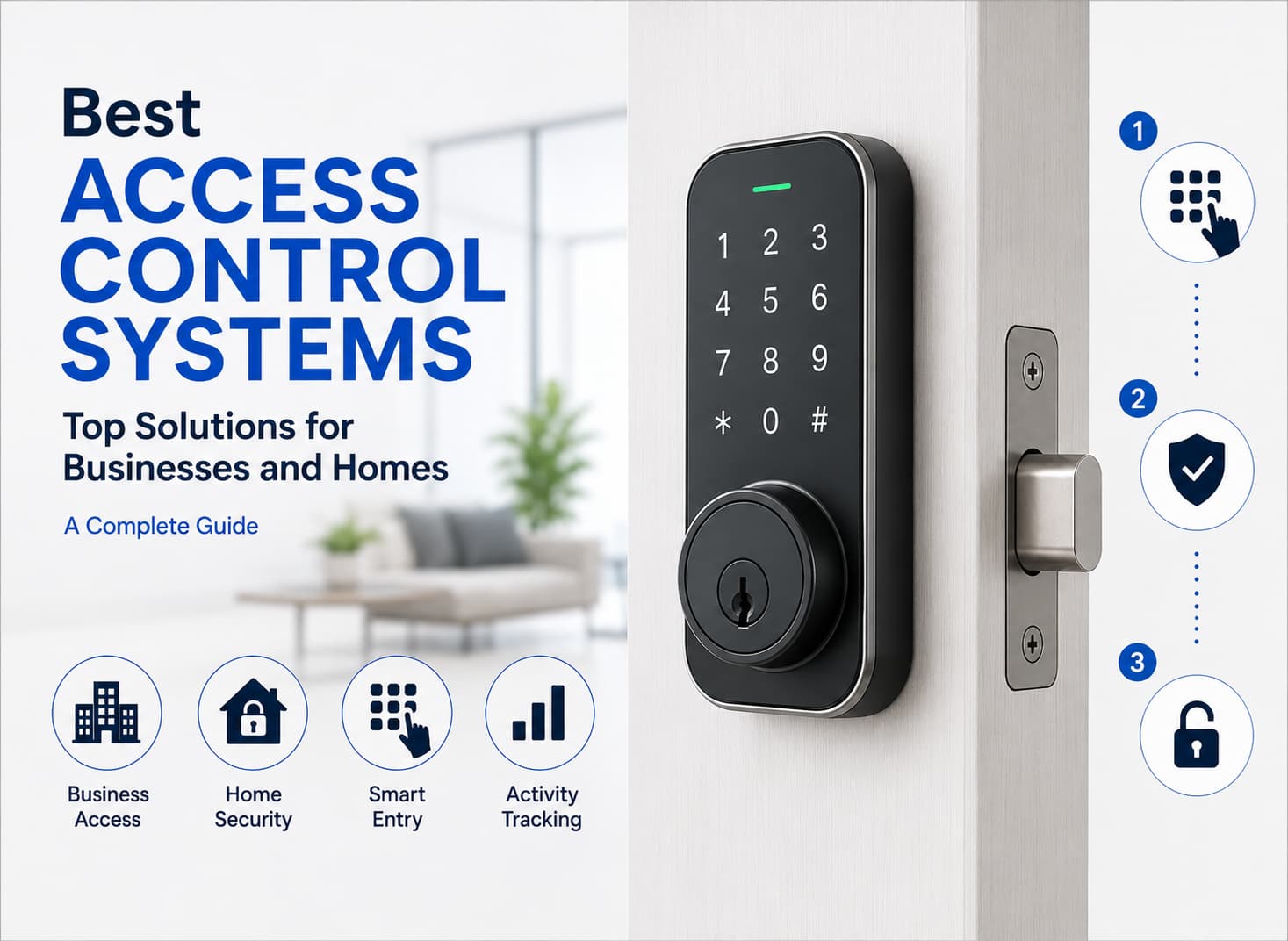
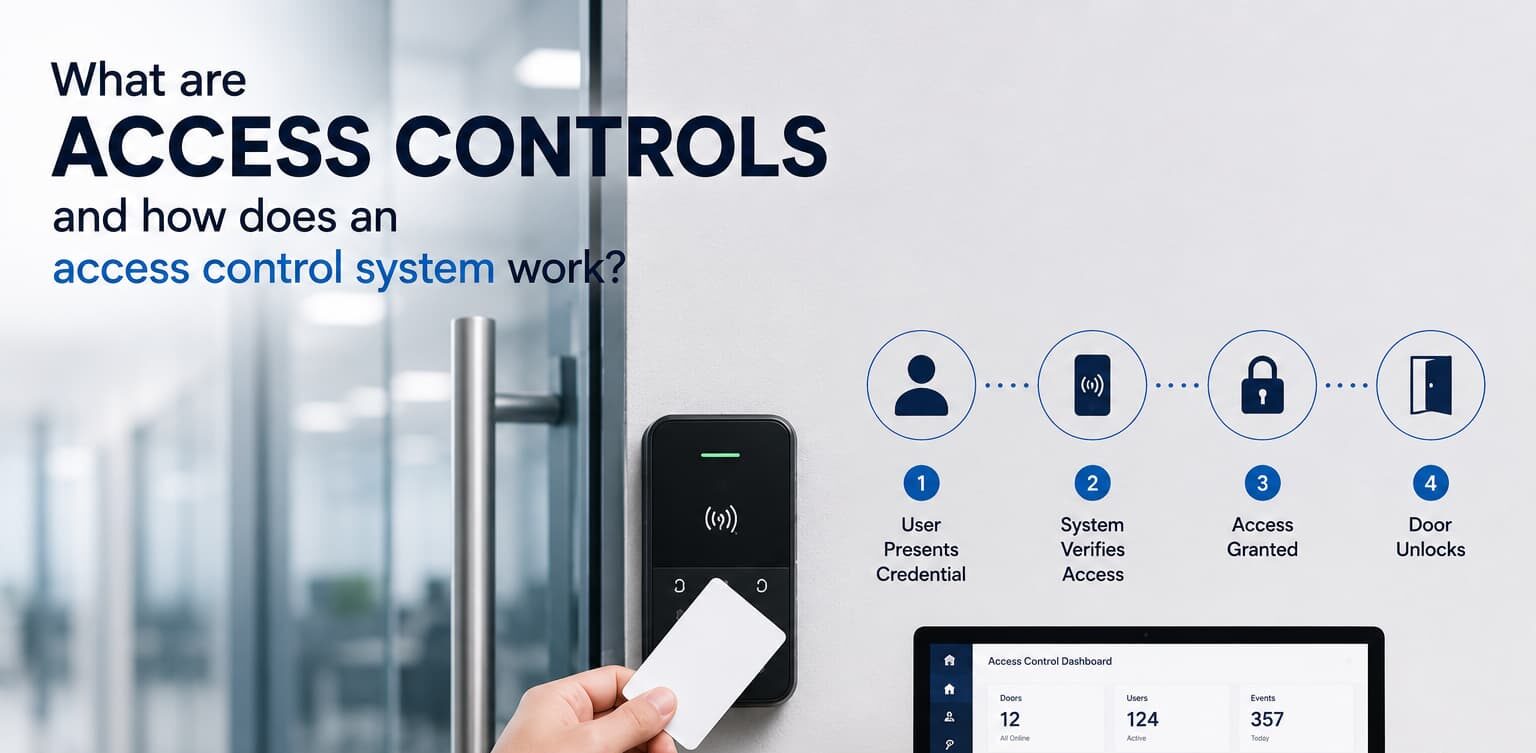

Access control sets the rules for who may enter a property, when they may do it, and which rooms or shared areas they may reach. A system reads a credential, checks permission, then allows or refuses the request.
What Are Access Controls?
What Is an Access Control System?
What is an access control system can be answered simply: it is a managed security setup for building permissions. Instead of handing out keys and hoping they come back, owners use readers, credentials, software, panels, and release hardware to manage movement.
Key Tech would usually begin with a walk-through. Who comes in first in the morning? Who leaves last? Are cleaners, vendors, tenants, staff, and visitors using the same path? These details decide more than the brand of reader.
The Purpose of Access Control in Modern Security
The purpose is not to make daily movement slower. It is to make permission visible. what is an access control entry means a checked point where a person presents proof before moving forward. what is access control in security guard duties follows the same idea: verify identity, confirm authorization, and respond if something looks wrong.
Key Components of an Access Control System
A complete setup may include readers, credentials, control panels, management software, power supplies, electronic release hardware, and event logs. The reader collects the credential. The panel checks the rule. The software lets a manager add users, remove old users, create schedules, and review security activity.
Core Elements of Access Control
- Credentials
- Readers
- Control panels
- Management software
- Electronic locks
- Monitoring and reporting tools
What Are Access Control Systems Used For?
Different buildings need different permission plans. A small office may only need cards and a simple schedule. A multi-family building may need fobs, wireless readers, visitor codes, intercom links, and manager reports. A clinic may need more careful records around staff-only rooms and files.
| Property Type | Recommended Access Control Solution |
| Small Office | Electronic reader with card or fob credentials |
| Apartment Building | Wireless credential management |
| Corporate Office | Card and mobile-based access control |
| Healthcare Facility | Biometric reader with staff permissions |
| Warehouse | Physical and electronic access control |
| Data Center | Multi-factor biometric access control |
Residential Access Control Applications
Apartments and residential communities often deal with constant change. Residents move out. Cleaners rotate. Contractors visit once. Delivery patterns change. A wireless credential setup can keep these changes organized without replacing hardware each time.
Commercial and Corporate Access Control
Commercial security is usually built around roles. A receptionist may need lobby access. A manager may need extended hours. A contractor may need one day only. A bookkeeper may need the file room but not the stock area.
This type of planning prevents one credential from opening too much. It also gives the business a clearer record when questions come up later.
High-Security and Restricted Facilities
Labs, medical suites, cash areas, and server rooms may need biometric checks, two-factor approval, camera links, electronic reports, and stricter review. what are physical access controls refers to barriers and procedures that limit physical movement, such as badges, readers, gates, turnstiles, locked rooms, and staffed checkpoints.
Common Uses of Access Control Systems
- Managing employee access
- Securing residential communities
- Protecting sensitive areas
- Visitor management
- Monitoring building activity
- Compliance and audit reporting
How Does an Access Control System Work?
The Access Control Process Step by Step
A person presents a card, fob, mobile pass, PIN, or biometric credential. A reader captures the information. The panel checks the saved rule. The system then releases the opening or keeps it secured, and the event is saved.
How Credentials Are Verified
Credentials can be cards, fobs, phone passes, PINs, fingerprints, or face templates. A wireless reader sends information through a protected connection. A wired electronic reader uses low-voltage cabling. The panel checks whether the user is active, whether the time is allowed, and whether the area matches that person’s permission.
Granting and Denying Access Requests
Approval activates release hardware for a short moment. A denied request may mean the credential is expired, suspended, outside schedule, or assigned to another area. Security logs help owners spot repeated attempts, old users, and setup mistakes.
| Step | Action |
| 1 | User presents credentials |
| 2 | Reader captures information |
| 3 | Controller verifies permissions |
| 4 | System makes an access decision |
| 5 | Entry is granted or denied |
| 6 | Event is recorded in system logs |
What Is the Most Common Form of Physical Access Control?
Card and fob approval is still the most common form for many properties. It is familiar, fast at busy entrances, easy to issue, and simple to deactivate. what is the most common form of physical access control often comes up when owners compare fobs with PINs, mobile credentials, and biometric readers.
Why Access Control Is Important
Improving Building Security
A copied key gives almost no visibility. why access control is important comes down to accountability: owners can see activity, remove inactive users, and review suspicious attempts. That is important for offices, rental buildings, and any property with regular turnover.
Protecting People, Assets, and Data
What is access control security systems describes security tools that protect people, equipment, records, IT rooms, staff-only spaces, and daily operations. A good plan protects the building without making normal movement awkward.
Reducing Unauthorized Access Risks
Unauthorized movement often starts with simple gaps: old keys, shared PINs, propped entrances, unclear visitor rules, and former users left active. A managed system helps close those gaps.
What is a biometric access control system means a security system that verifies identity with a body-based feature, such as a fingerprint or face template. what is the purpose of biometrics in access control is to make credentials harder to lend, copy, or forget. Biometric technology can suit sensitive areas, but privacy rules, consent, and backup methods should be clear before installation.
Solution, Services, and Installation
Solution Planning
Key Tech reviews layout, user count, visitor flow, opening condition, cable paths, wireless signal, reporting needs, and future changes before recommending equipment. The plan should match real movement, not just a product list.
A useful plan starts as a permission map. Which groups exist? Which areas do they need? Which times are allowed? Who receives alerts? Who removes old users?
Services for Homes and Businesses
Services may include electronic readers, wireless credentials, biometric devices, physical barriers, panels, mobile passes, reporting tools, software setup, and camera or intercom integration. The final design should fit daily use, management habits, and long-term security needs.
Installation Details That Matter
Installation may include mounting readers, pulling low-voltage cable, connecting controllers, testing credentials, setting administrator roles, checking release hardware, and training the person who will manage the platform near the main door. Handover matters. The manager should know how to add a user, remove a user, adjust schedules, review logs, and respond to a lost card or phone.
Future changes should be considered early. New staff, tenant turnover, added readers, extra cameras, and a new management office can all affect the security system later.
Key Tech also looks at system ownership. Who receives security alerts? Who resets a lost phone? Who approves a new fob? Who checks a monthly report? A system should not depend on one person’s memory. Good security documentation keeps names, admin roles, backup steps, and service contacts clear.
For larger sites, system review is part of the service plan. The system may need seasonal updates, security role changes, security report checks, and system testing after renovations. This keeps the control plan aligned with the real building, not yesterday’s routine.
Final Thoughts About Access Control Systems
A well-planned access control system helps owners manage users, records, restricted areas, and daily security without relying only on physical keys. It should fit the building, support real routines, and remain simple enough for staff or managers to use correctly.
Key Tech can design and install a permission platform for residential, commercial, and multi-unit properties. The right system improves security, keeps movement practical, supports security reviews, and gives the owner clearer oversight of who moves through the building. A stable system also makes future system service easier and keeps security documentation useful for later security checks.