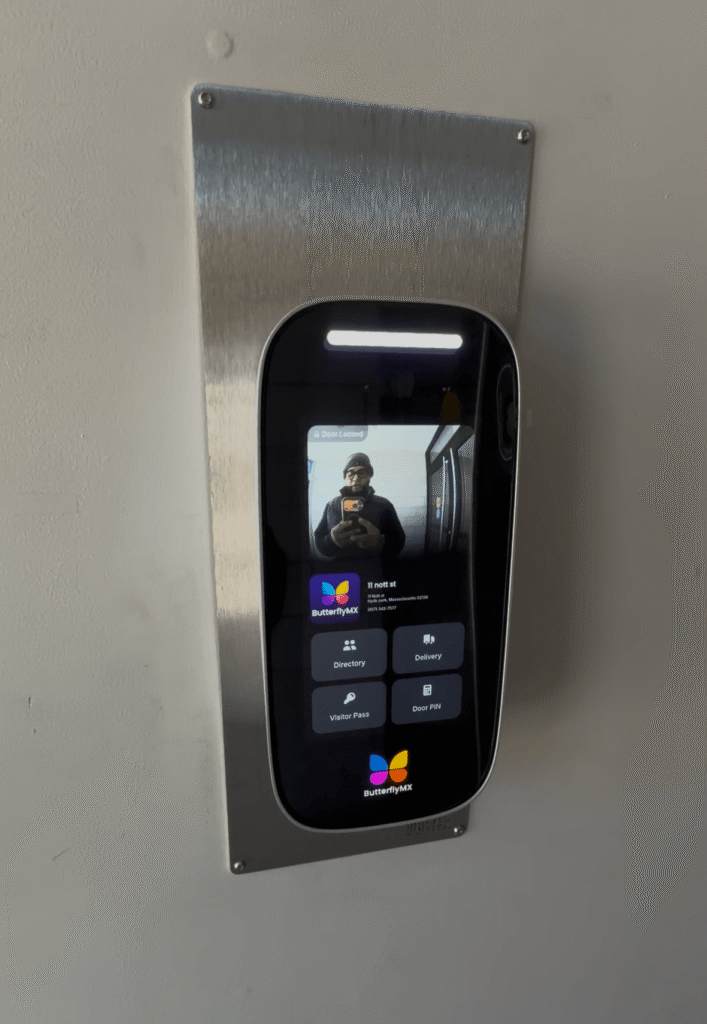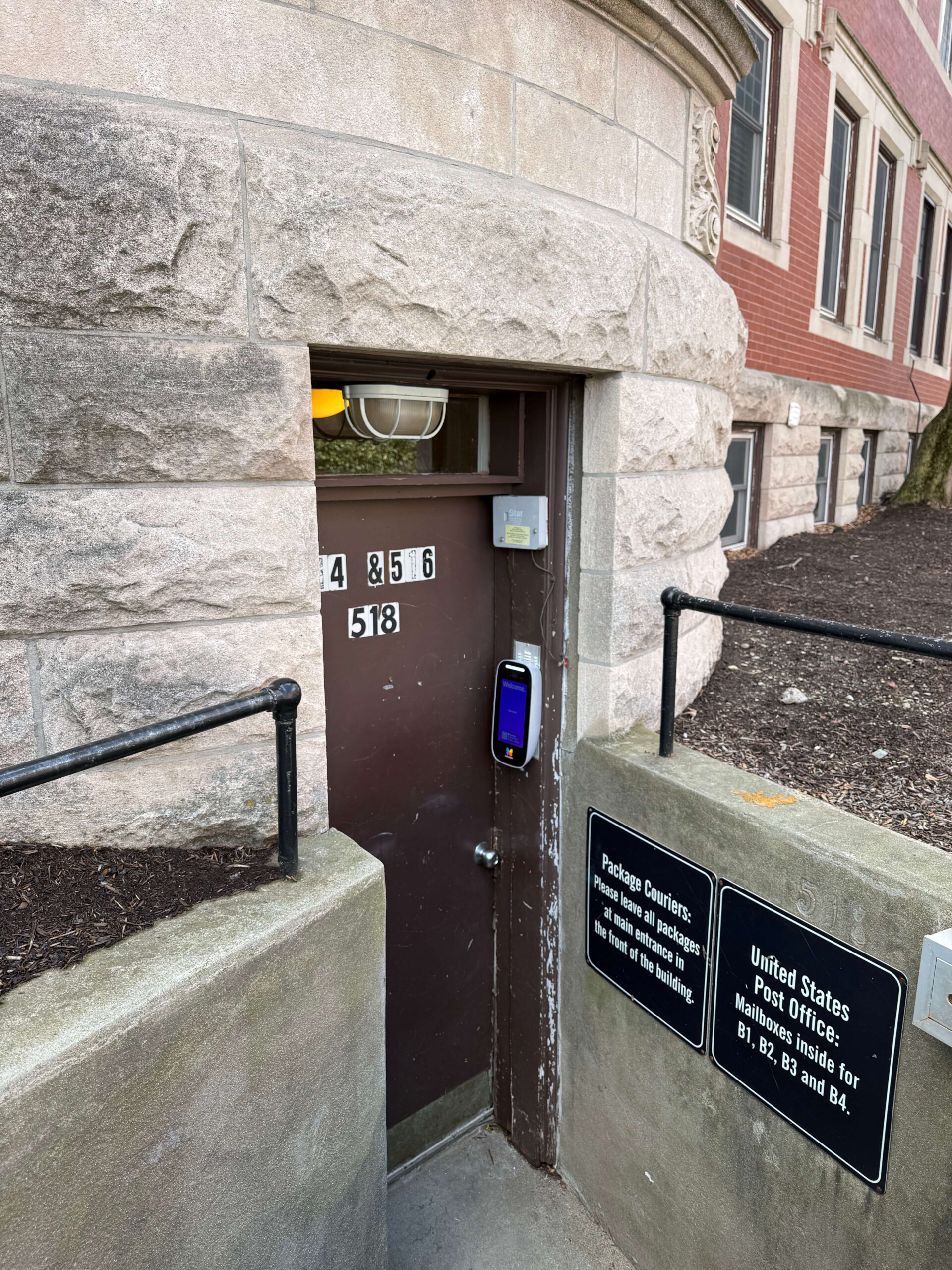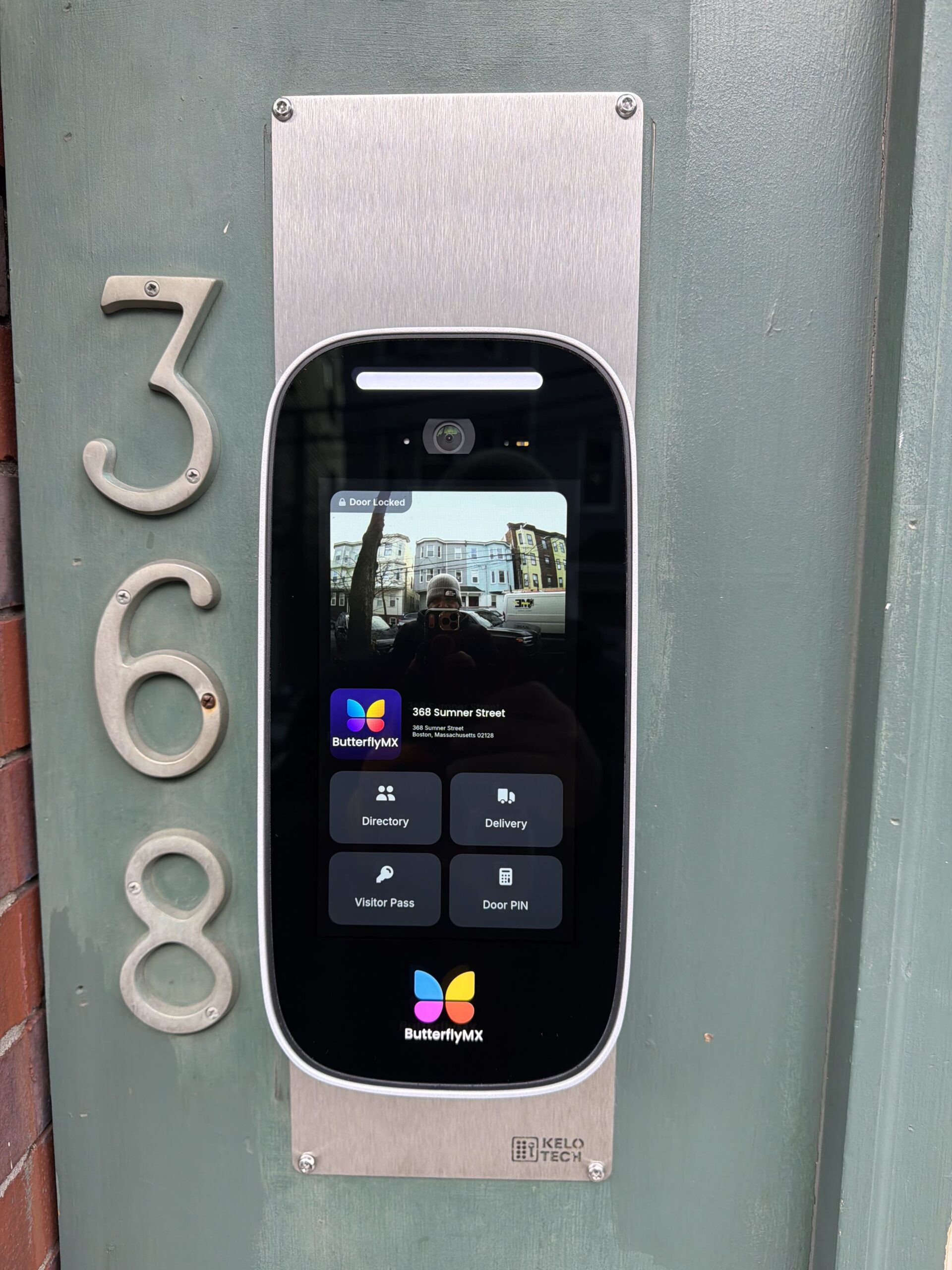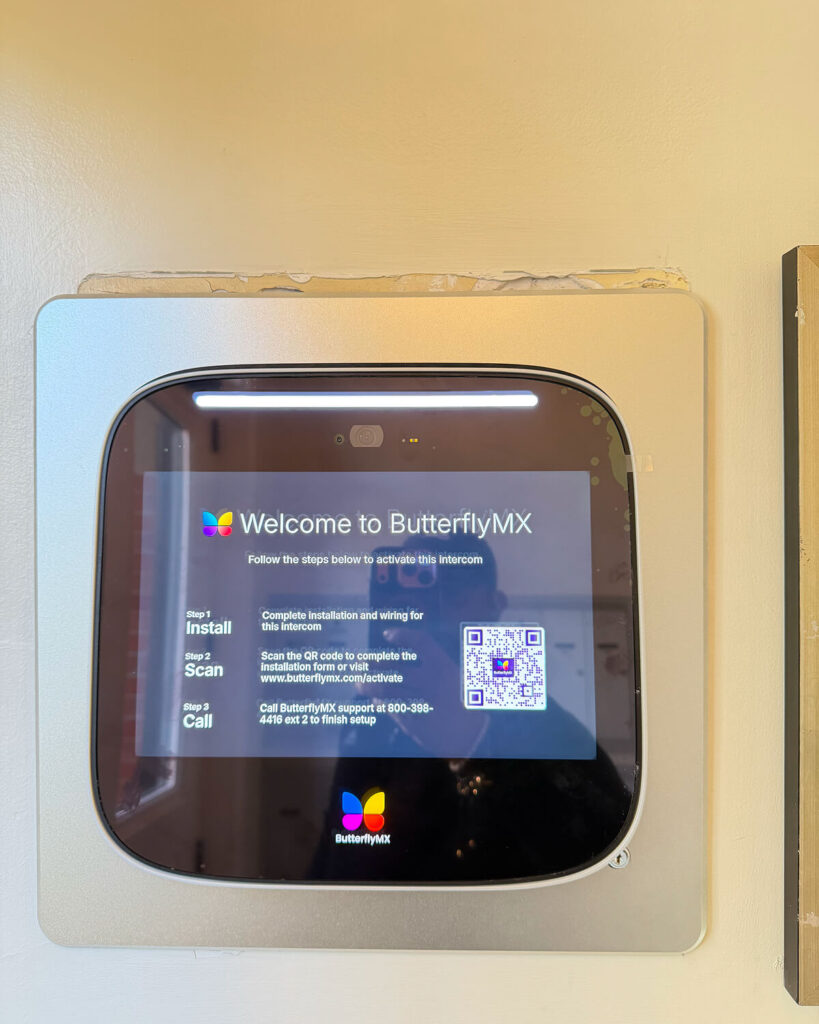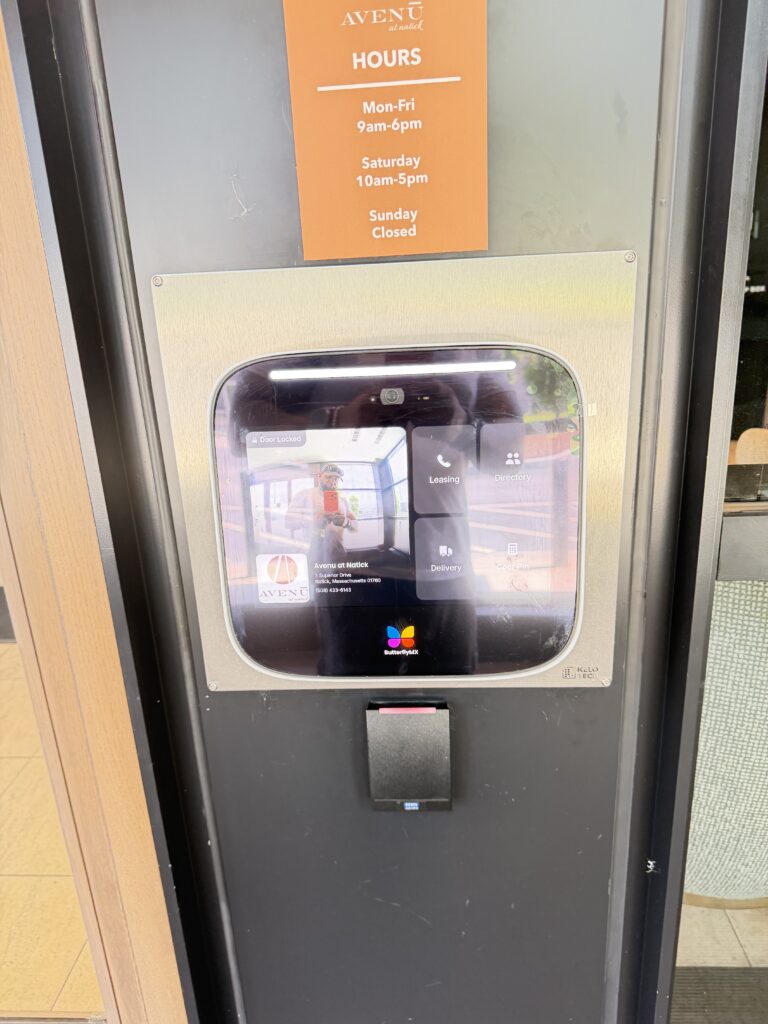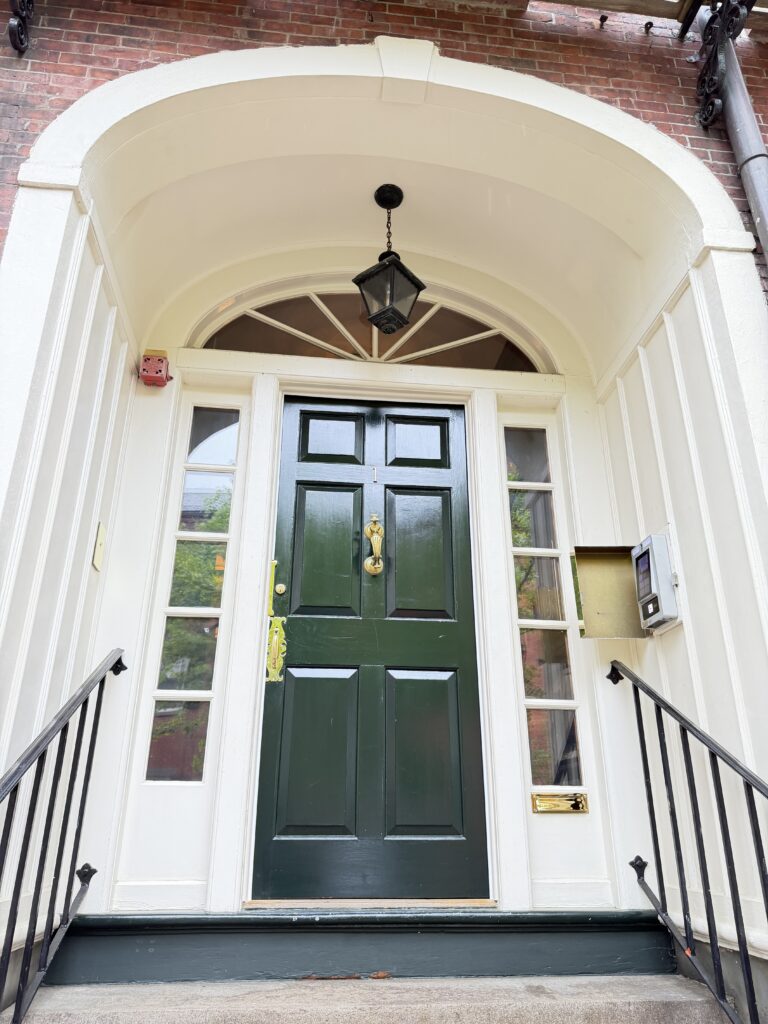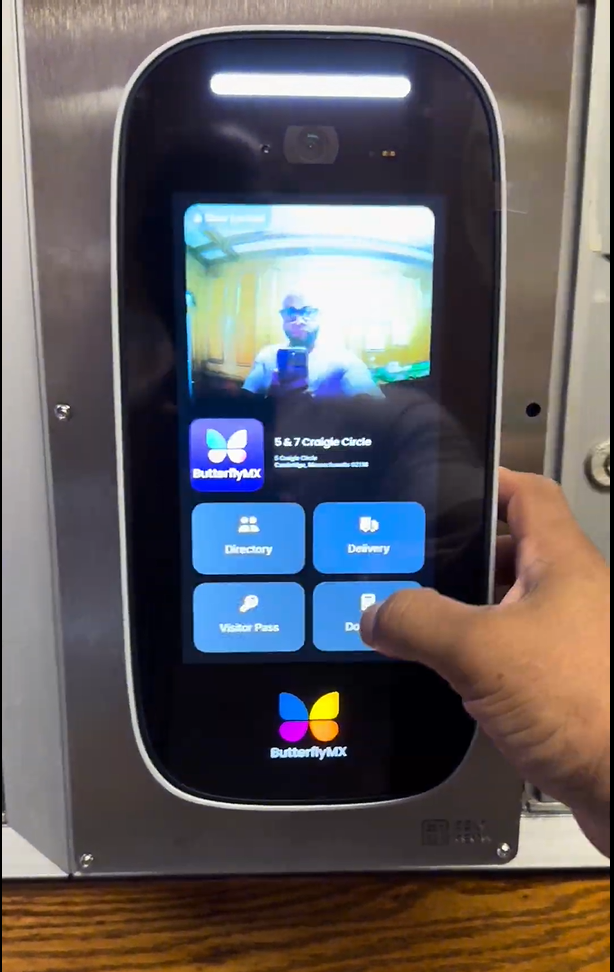
We supply and install keypad access systems for properties that require straightforward, credential-based entry control. Our installations cover surface mounting, wiring, programming, and integration with existing access control infrastructure for consistent and dependable performance.
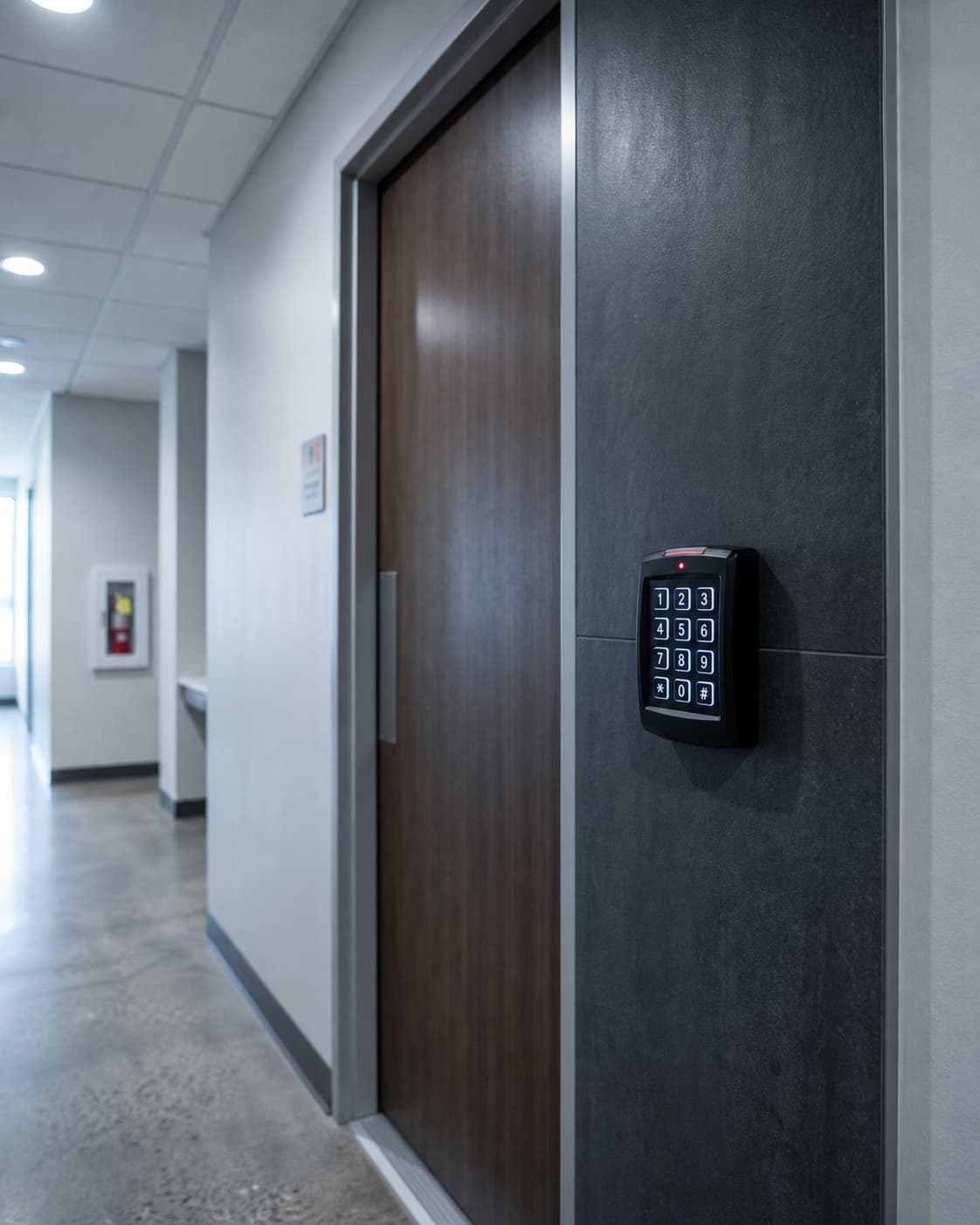
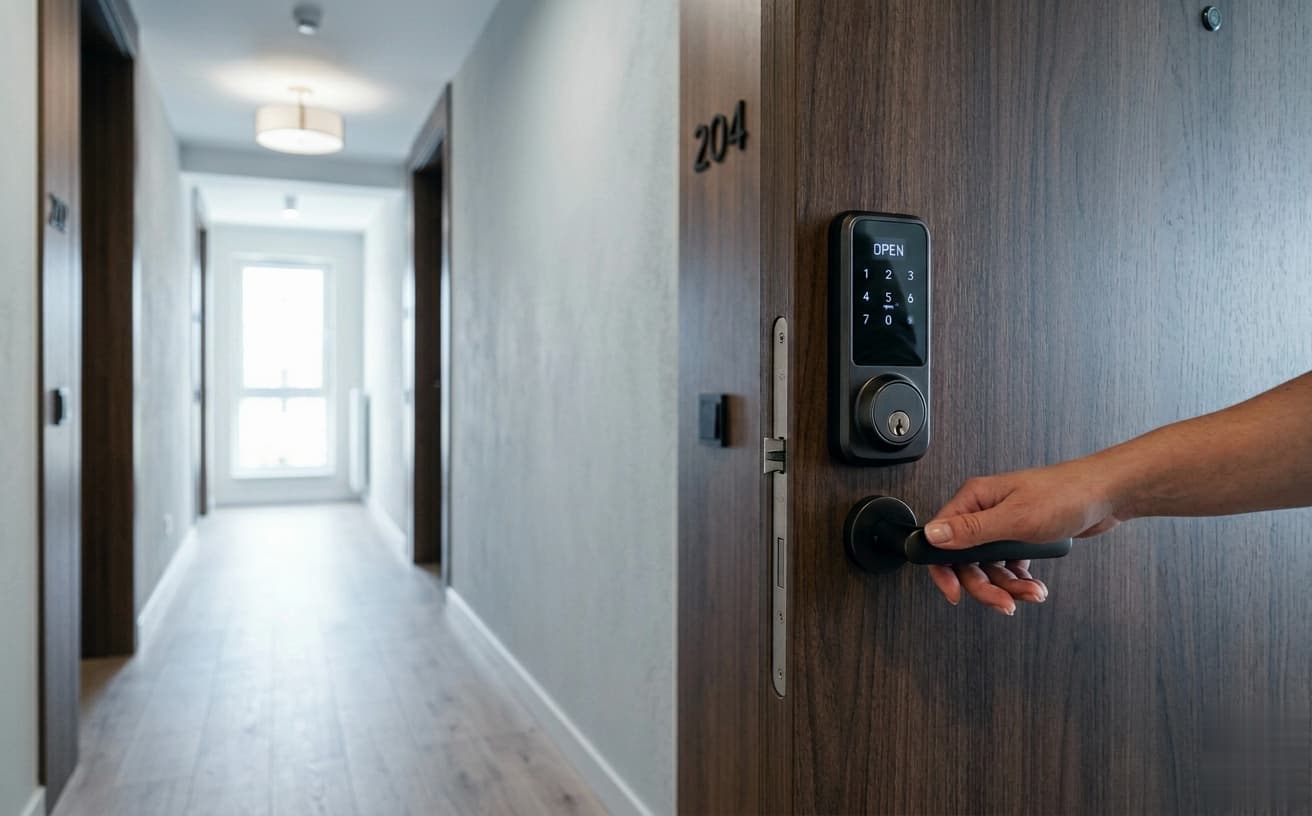
Keypad systems provide a practical, cost-effective approach to controlling entry at doors, gates, and restricted zones without relying on physical keys or card readers. We install standalone and networked keypad units suited for residential buildings, office spaces, and commercial facilities with varying levels of access complexity.
Our process begins with an evaluation of your entry points, door hardware, and existing wiring conditions. We select keypad models based on environmental requirements — indoor or outdoor rated, single-door or multi-zone setups — and complete the full installation including mounting, low-voltage cabling, and controller configuration.
User codes are programmed with defined access schedules and expiration parameters where needed. Keypad systems can be integrated with electric strikes, magnetic locks, and door monitoring sensors for a fully managed entry environment. We also configure audit capabilities so that entry records are available for review and compliance purposes. From single-door installations to multi-point configurations across a facility, we deliver keypad solutions that are straightforward to manage and built for long-term reliability.

We review your objectives, property requirements, and security priorities to understand your project scope.

Assessment A qualified technician conducts a detailed evaluation of your property, infrastructure, and system layout.

We prepare a tailored proposal outlining recommended solutions, system specifications, and project scope.

Our team completes the installation with precision, ensuring proper wiring, configuration, and system performance.
Fast, straightforward quoting with clear scope and pricing. We assess your needs and deliver a reliable estimate without unnecessary delays.
View Our Completed Projects
Keypad entry systems replace physical keys with electronic code control, helping properties manage who can open a door and when. A well-planned solution supports predictable daily use, clear security routines, and optional alarm coordination—without forcing constant hardware changes when users rotate.
The practical benefit is operational: codes can be issued, changed, or removed quickly, which reduces “lost key” risk and makes entry management easier for both home and business properties.
A modern keypad system is less about features and more about how people actually arrive and enter. The best results come from aligning the device with real traffic patterns, user roles, and the way the door is used during peak hours.
Key elements that improve real-world reliability:
For home settings, the main goal is reducing friction while keeping routines consistent. A keypad door lock can help avoid spare keys, reduce key copying, and support temporary codes for short visits.
Typical home scenarios where code control is genuinely useful:
A reliable setup usually includes basic rules: one permanent household code per responsible adult, a separate temporary code for visitors, and a quick revocation process if a code is shared too widely.
Keypad lock installation should start with the door’s condition (alignment, latch behavior, strike plate wear). If the door sticks or the latch doesn’t seat smoothly, the electronic mechanism will be inconsistent.
In a business context, consistency matters more than convenience. Offices and businesses typically require clearer boundaries: who can enter, during which hours, and how exceptions are handled.
Common commercial patterns:
Commercial keypad door lock installation works best when the credential model is decided before hardware is mounted. Without that, teams fall into informal workarounds, which undermines security even if the device itself is high quality.
A practical planning step for business sites is mapping “decision authority”: who approves code creation, who removes codes, and who reviews events when an incident happens.
Electronic code control can be paired with an alarm system to reduce user error. In many real properties, the weakest point is not the lock—it’s the routine: forgetting to arm/disarm, sharing alarm codes, or bypassing protocols during busy hours.
When coordinated correctly, alarm-linked entry can support:
This is where a security log becomes more than a “nice to have.” If you actually need traceability, the logging approach should be selected as part of the solution, not added later.
A keypad solution succeeds when it matches the property’s daily operating rhythm. The same device can feel “perfect” in a quiet home and frustrating in a high-traffic business if the setup is not matched to real usage.
For home doors, a strong approach is simple: stable operation, clear feedback, and a minimal number of codes. More complexity usually creates confusion.
A sensible home-focused selection checklist:
Door condition matters more than people expect. A door that drags, swells, or doesn’t close cleanly will cause inconsistent locking behavior. Fixing alignment first often improves reliability more than changing models.
If budget is a concern, focus spending on the primary door and keep secondary entry rules tighter. That keeps ongoing cost under control while maintaining usable security.
Commercial properties typically need structure. A business cannot rely on informal sharing of codes without creating long-term risk.
A practical commercial credential model usually includes:
For offices, it helps to decide whether the goal is “simple entry control” or “auditable entry control.” If audits matter, include security log requirements early and confirm how long event history must be retained.
This is also where an experienced installer makes a measurable difference: correct placement, stable wiring, and realistic testing under real traffic conditions.
“Inexpensive” can still be high quality when the plan is realistic. The problem is usually not price—it’s mismatched expectations and poor setup.
If you want an affordable approach without constant troubleshooting:
Cheap installers can be tempting, but they often skip alignment checks, real-world testing, and careful wiring. That can turn a low upfront cost into repeated service calls.
A good solution is one that prevents “habit drift,” where users start propping doors open or sharing codes because the routine is unclear.
A device on a door is not the full system. The real system includes rules, updates, and support when users change or when behavior drifts from the intended routine.
Experienced installers usually start with the basics that cause most failures:
A professional installer should also confirm that the user experience is predictable: people can enter without hesitation, and the door relocks consistently after entry.
This matters for both home and commercial scenarios, especially when multiple people will use the same entry point.
Services should support the parts that tend to drift over time:
If the system includes logging, services should also cover basic review routines: how to export or interpret event history, and how to spot abnormal patterns.
This is where “quality” becomes operational: not marketing quality, but stable daily behavior.
There is a difference between “cheap” and “cost-controlled.” Cost-controlled services keep the plan simple and reduce repeat visits.
Good cost-controlled support typically includes:
Cheap installers often disappear when the first issue appears. A professional installer stays accountable, documents configuration, and can restore stable operation quickly.
This section focuses on predictable setup outcomes. The goal is not to “install a unit,” but to deliver a reliable routine that people follow.
Keypad installation should be planned around traffic and responsibility. A home usually needs simple, low-friction entry. A business needs clearer role definitions and a revocation process when staffing changes.
Practical steps that prevent common issues:
Avoid overcomplicating credential rules. If entry requires too many steps, people create workarounds.
Door keypad installation is often where physical realities matter most: strike plate alignment, latch depth, and mounting rigidity.
Access control keypad installation should include a configuration checklist:
If the system relies on low voltage equipment, confirm wiring routes and protection methods. Wiring issues are a common source of intermittent behavior, especially in high-traffic commercial settings.
Keypad door lock installation should end with functional confirmation, not just a powered-on device. A complete outcome looks like this:
Keypad installation is considered “complete” only when daily use is predictable and support documentation exists for code changes.
Planning is where most long-term reliability is won. Properties that treat this as a workflow project (not a gadget project) usually avoid repeat issues.
Cost is driven by door condition, complexity, and the amount of configuration required. A realistic cost plan separates hardware from labor and reduces surprises.
| Cost factor | Why it changes cost | Typical impact |
| Door alignment issues | causes rework and repeated testing | higher labor time |
| Credential complexity | more code rules mean more setup | higher configuration effort |
| Alarm coordination | requires integration testing | added setup steps |
| Low voltage wiring | routing and protection requirements | higher installation effort |
| Documentation needs | commercial sites often require records | added time, clearer handoff |
Budgeting notes that help control cost:
This keeps cost predictable while still supporting a security-focused routine.
Choosing certified help is less about labels and more about outcomes: correct alignment, stable operation, and documented configuration.
Selection checklist:
A strong installer explains what “done” means and verifies that the routine works during real traffic.
Low voltage equipment introduces a wiring layer that must be handled carefully. If wiring is part of the plan, it should be treated as a reliability component, not an afterthought.
Good wiring practice supports:
A complete setup includes a handoff package:
That handoff protects the solution long-term, because the system remains manageable even when staff or household members change.