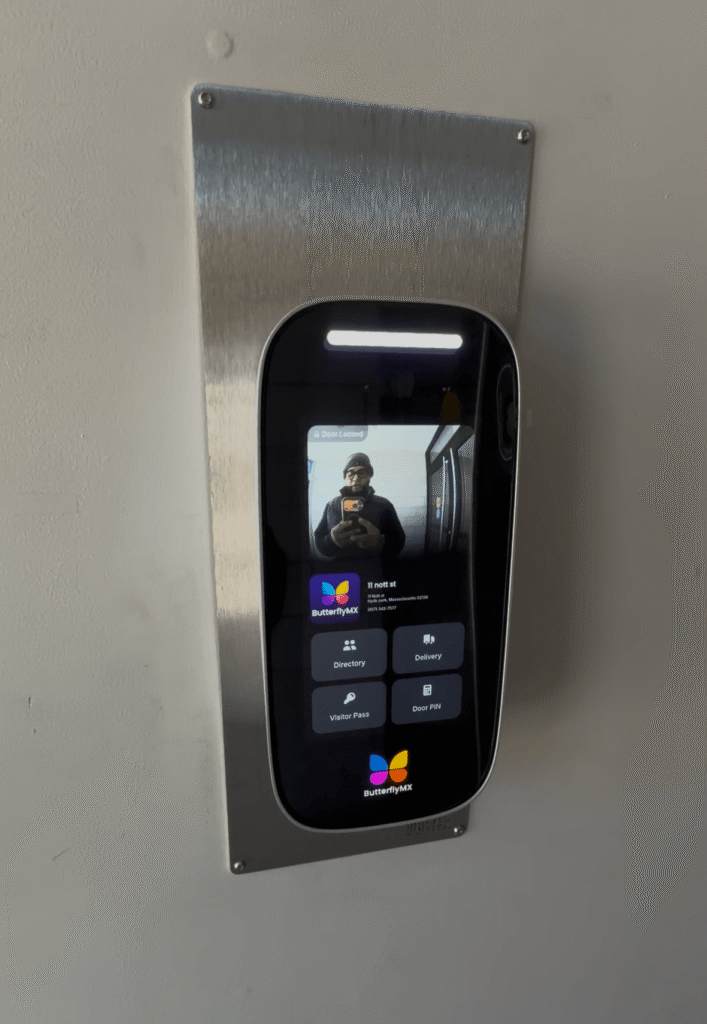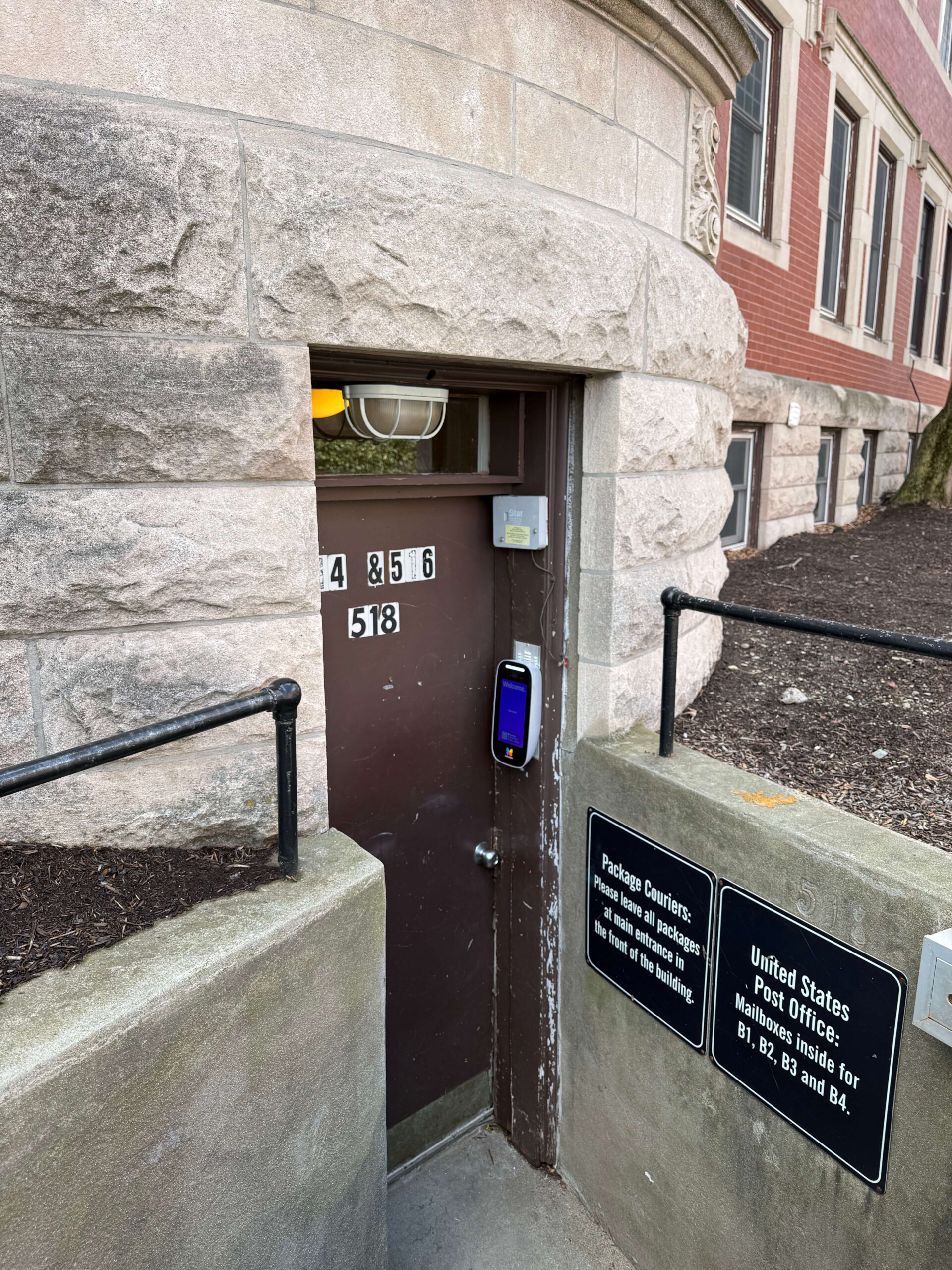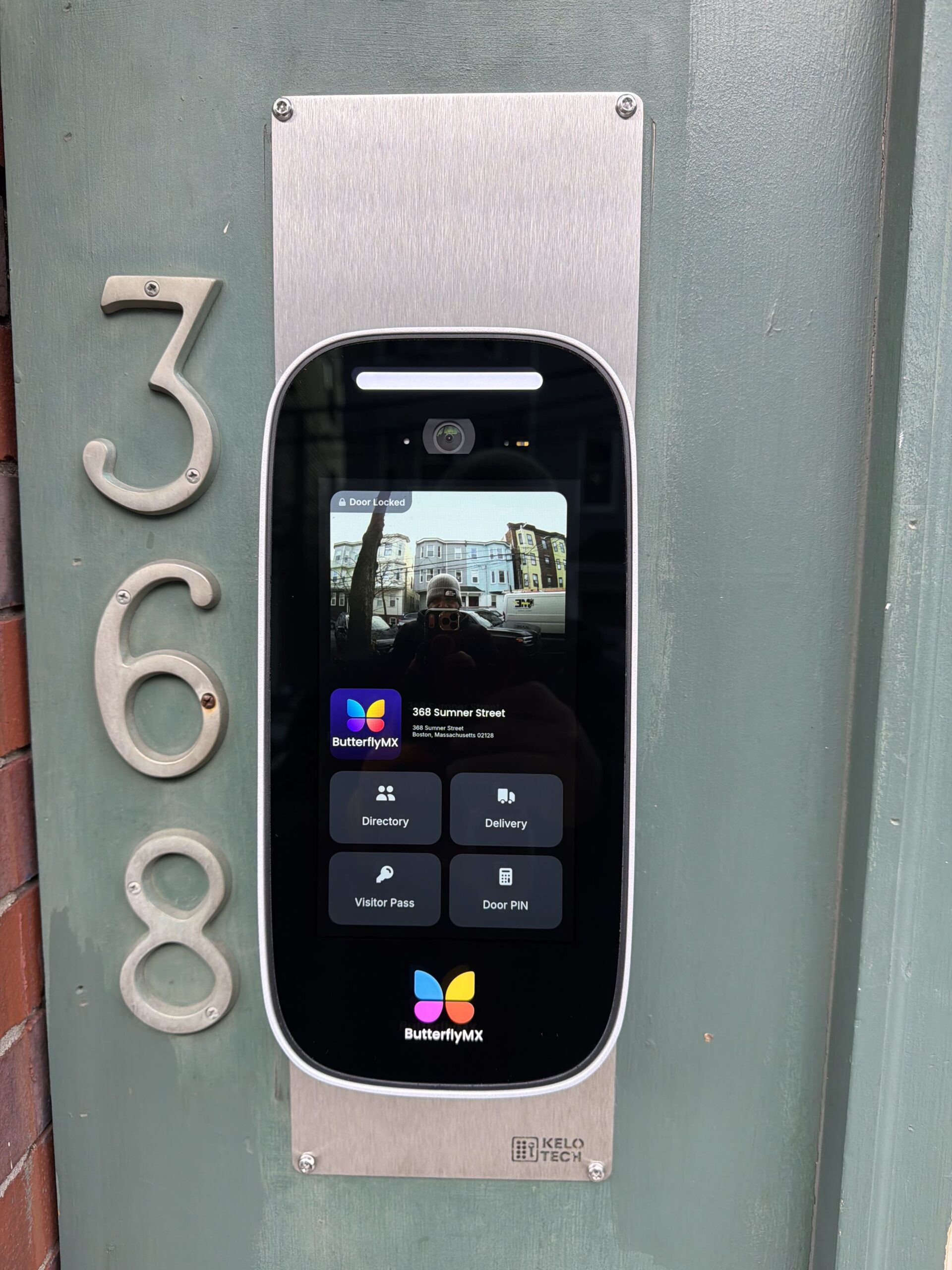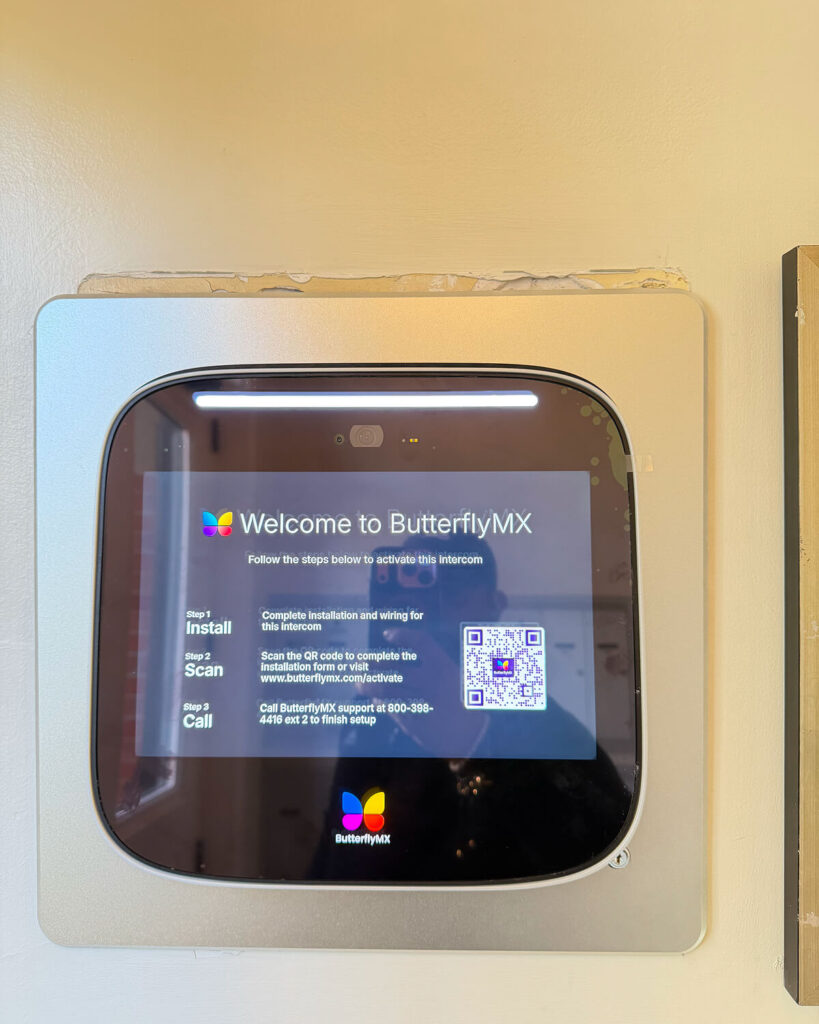
We install vehicle access control systems for parking facilities, gated entries, and private driveways. Our installations include gate operators, barrier arms, credential readers, and loop detectors — fully configured for reliable, automated vehicle management.
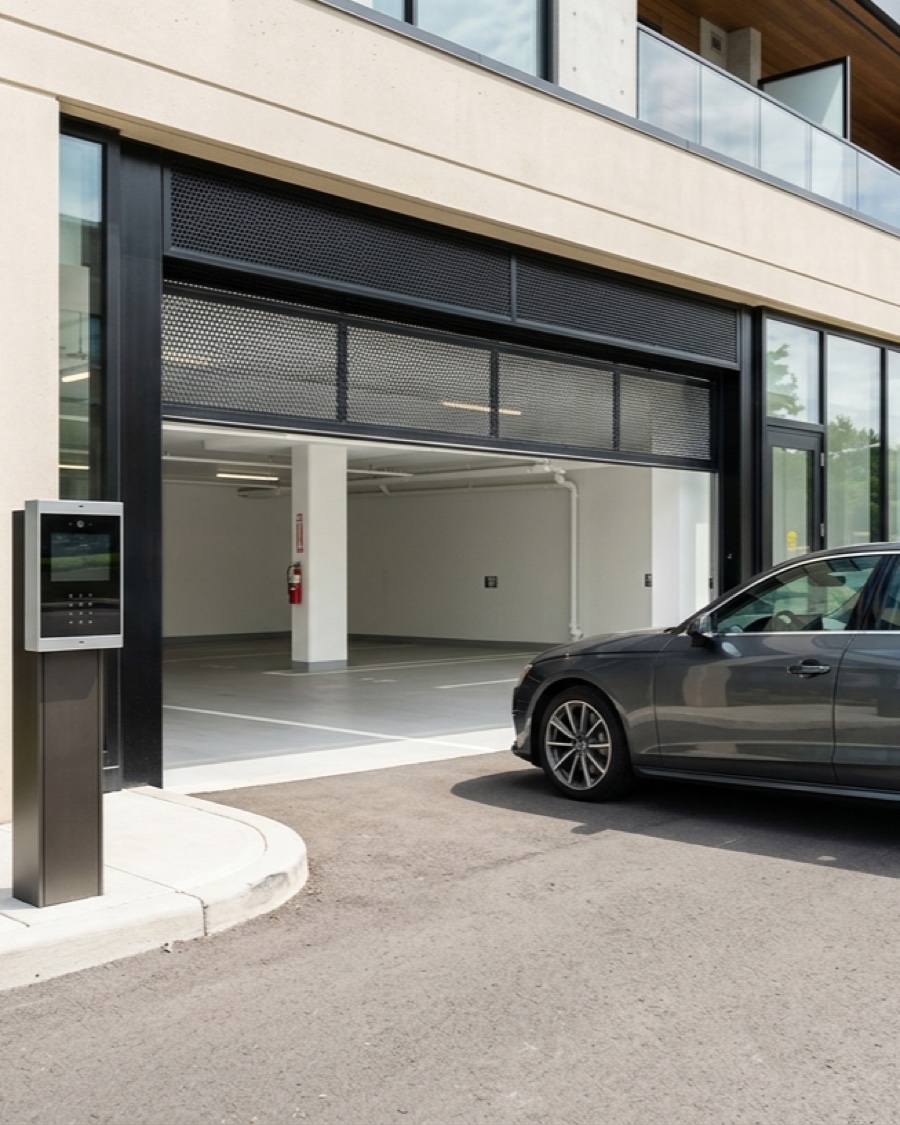
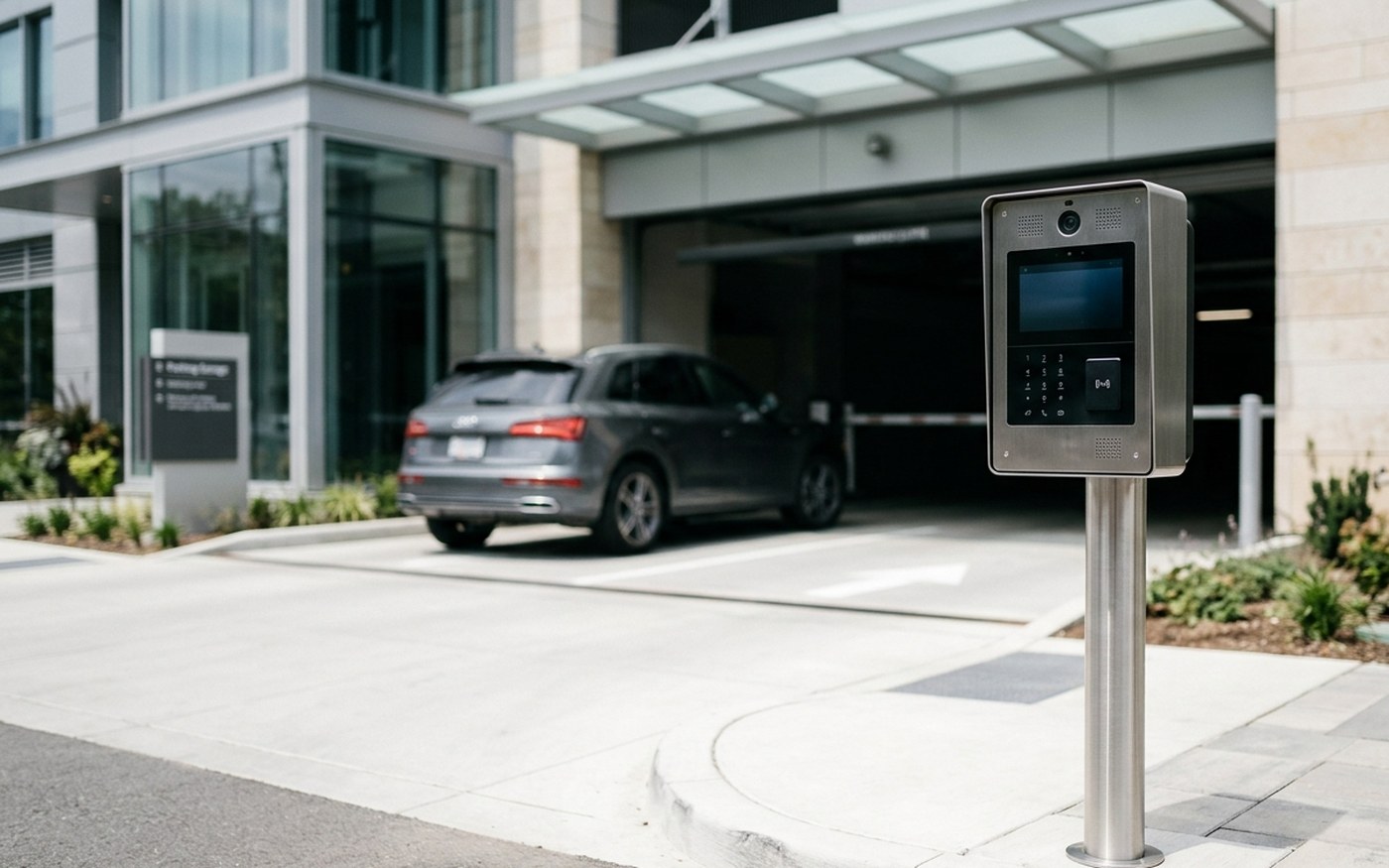
Managing vehicle entry requires hardware that can perform consistently under outdoor conditions while integrating cleanly with your broader access control environment. We install complete vehicle access solutions for residential communities, commercial parking facilities, office campuses, and private driveways where controlled entry is essential.
Our team evaluates site layout, traffic flow, and surface conditions before specifying the right combination of gate operators, barrier arms, and detection technology. We install credential readers — supporting card, fob, license plate recognition, or keypad entry — alongside inductive loop detectors and safety sensors that ensure accurate, damage-free operation.
Gate controllers are programmed with access schedules, vehicle-specific permissions, and entry logging to provide a complete audit record of all vehicle activity. Systems integrate with intercom units and surveillance cameras for visual verification at entry and exit points. Wiring is routed through conduit with weatherproof terminations designed for long-term outdoor reliability.

We review your objectives, property requirements, and security priorities to understand your project scope.

Assessment A qualified technician conducts a detailed evaluation of your property, infrastructure, and system layout.

We prepare a tailored proposal outlining recommended solutions, system specifications, and project scope.

Our team completes the installation with precision, ensuring proper wiring, configuration, and system performance.
Fast, straightforward quoting with clear scope and pricing. We assess your needs and deliver a reliable estimate without unnecessary delays.
View Our Completed Projects
A code panel can regulate how cars reach a private parking area without depending on old remotes, copied keys, or improvised workarounds. When the layout is planned properly, the owner gets a cleaner routine, clearer permissions, and a more dependable way to open the barrier from the driver’s seat.
The value is practical. Someone arrives, enters a code, the operator responds, and the property keeps its rules without extra clutter inside the car. The strongest results usually come from matching the hardware to real daily use rather than choosing the longest feature list.
At a basic level, this arrangement links an exterior code panel with an operator. The person at the opening enters a credential, the controller checks it, and the motor responds. Reliable performance depends on placement, weather protection, and sensible administration.
The management side matters as much as the electronics. Someone has to decide who receives a code, who may change it, and how outdated permissions are removed when a tenant leaves, a supplier changes, or a contractor finishes a job.
In a home layout, the panel is usually mounted where the driver can reach it before the garage door. On a wider driveway, the same idea can be used at a front gate so the car can pass without a visor remote.
Reliable operation normally depends on:
A careful installer does not stop after one successful cycle. Sun glare, moisture, and user habits often reveal problems that never appear during the first minute of setup.
Some sites need one code panel for one bay. Others need one at the street barrier and another beside the covered parking area. In both cases, the best choice is the one that matches the way the property works in real life.
A well-matched setup may include:
Where rain, dust, or salt air are common, housing quality becomes part of the long-term solution, not just a detail on a spec sheet.
Current hardware can use radio pairing, low-voltage wiring, or a mixed arrangement. The right format depends on distance, wall construction, and whether the property is being upgraded or built from the ground up.
Useful functions may include:
For many owners, the strongest choice is not the most elaborate one. It is the one that stays readable, stable, and easy to support after repeated daily use.
The main benefit is orderly movement without a pile of extra hardware. Codes can be revised faster than remotes can be collected, and one well-positioned panel can simplify arrival for the people who use the property every day.
A private parking area should not become the weak point of the site. With clear permissions, the owner can decide who is allowed through and when that permission ends. That is a cleaner control model than passing devices from hand to hand.
Useful advantages include:
In a business setting, that same discipline helps avoid the familiar problem of former staff still having a working code months later.
Convenience matters most when it removes friction without weakening safety. A driver should not need to search a bag, lower a window too far, or guess whether the code was accepted.
Practical improvements often include:
That is why many owners add a code panel even when the original handheld remote still works.
These arrangements appear in more places than people expect. They are common in detached homes, small multi-unit buildings, rear-lane parking courts, service yards, and compact depots where movement needs rules but not a heavy industrial platform.
At home, the main goal is dependable everyday use. A panel near the garage door lets residents come and go without extra remotes, and a front gate can follow the same logic.
Typical residential applications include:
For these properties, the best solution is usually the simplest one that still leaves room for future changes.
On a business site, the emphasis shifts from convenience to management. A barrier may need scheduled permissions, separate codes for suppliers, and clearer review of who should still be allowed through. A fleet parking area may need different rules again.
That is why planning should happen before the hardware is fixed in place. When the credential model is vague, people invent shortcuts, and the whole process loses value quickly.
Each property needs a solution that reflects traffic pattern, risk level, and physical layout. A narrow side lane does not need the same design as a commercial gate with delivery vans arriving throughout the day.
For a house, the strongest approach is usually modest and direct: one panel, one opener, clear credentials, and realistic testing. garage door keypad installation can work well with an existing operator if the mechanical parts remain consistent and the mounting surface is sound.
Useful planning points include:
A careful installer checks the physical assembly first rather than blaming electronics for poor alignment.
Commercial property often needs a broader arrangement. The front barrier may be paired with cameras, intercom logic, or different permissions for office staff and yard staff. In those situations, the work should be treated as an operating decision, not just a hardware swap.
Vehicle gate access control systems installation should start only after lane width, turning radius, and safe stopping distance have been reviewed on site.
Good installation starts with the property itself. Surface condition, power route, controller position, and weather exposure all affect the final result more than a brochure suggests.
Garage door keypad installation is often possible without replacing the full opener. If the existing motor is compatible, the task may be limited to mounting, pairing, and code setup. garage keypad installation becomes more involved when the cable path is damaged or the legacy operator already behaves inconsistently.
A careful process usually covers:
Garage door keypad installation cost changes with compatibility, wall material, and the amount of outdoor protection required.
Garage keypad installation should finish with real testing, not just a lit screen. The panel must communicate cleanly with the motor, and the opening should respond the same way every time. Where a street barrier and covered parking area are both involved, the installer should confirm that each point follows the right rules.
For larger properties, garage keypad installation may also include app pairing, user grouping, and backup credential planning.
Vehicle access control system installation usually involves the operator, safety devices, credential hardware, and the logic that links them together. The exact arrangement depends on approach speed, stopping distance, and how the lane is used during busy hours.
Vehicle access control system installation should include live testing with an actual car rather than a bench check alone.
Even a well-built setup needs follow-up. People move, codes change, weather affects outdoor hardware, and operating habits drift over time.
Garage door keypad service should include code review, mounting checks, response testing, and seasonal inspection of the enclosure. A small preventive service visit can stop many avoidable faults before they become inconvenient.
Good maintenance often covers:
Garage door keypad service is especially useful before winter, after a property sale, or when several users have changed.
Support should be practical and quick to follow. The installer should be able to identify whether a fault comes from the panel, the operator, the wiring path, or the mechanical assembly itself. Experienced installers usually work faster because they check the whole chain rather than one piece at a time.
A strong service approach usually provides:
For most properties, the best long-term solution is one that keeps the site predictable without becoming difficult to maintain.