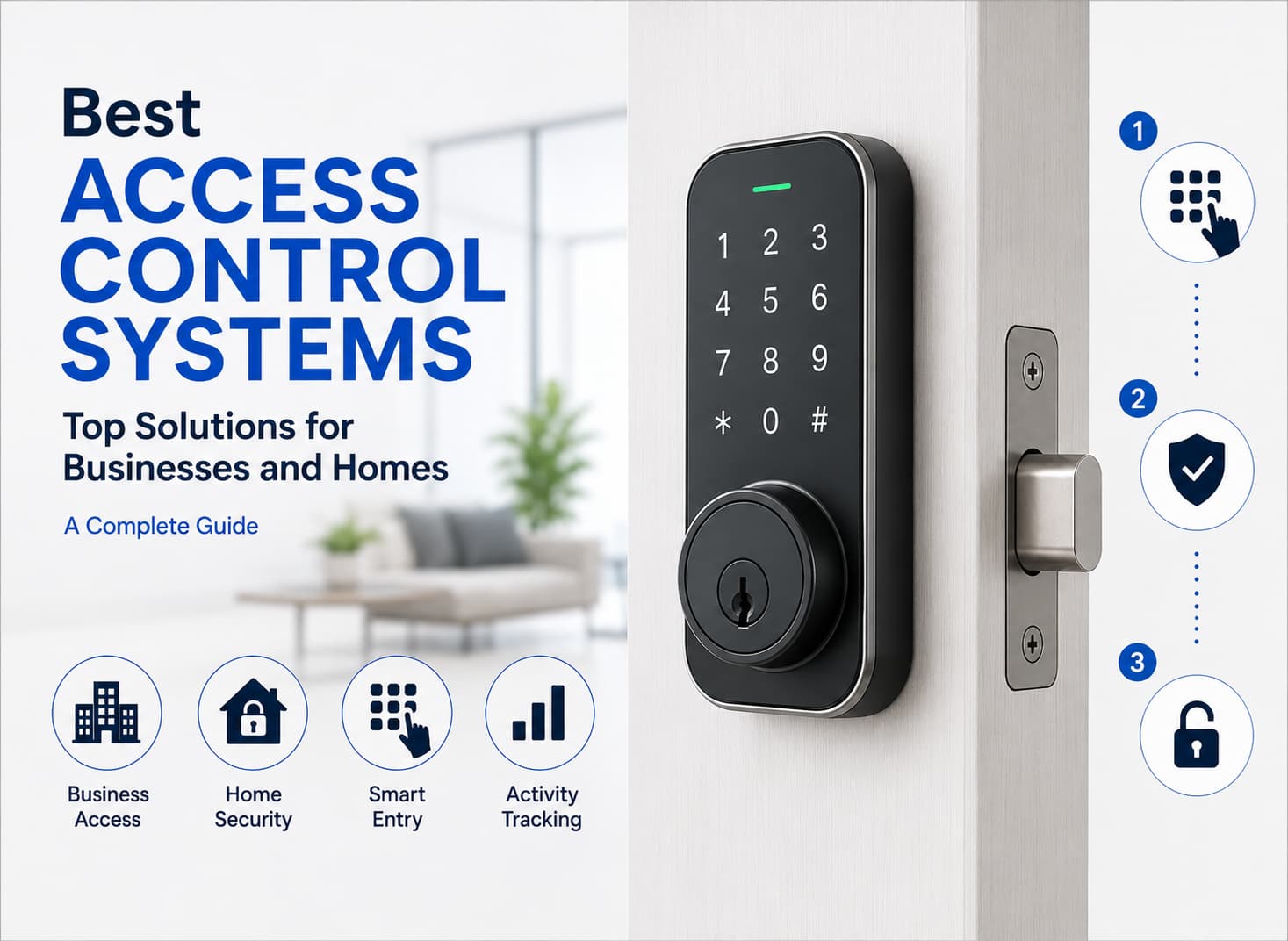
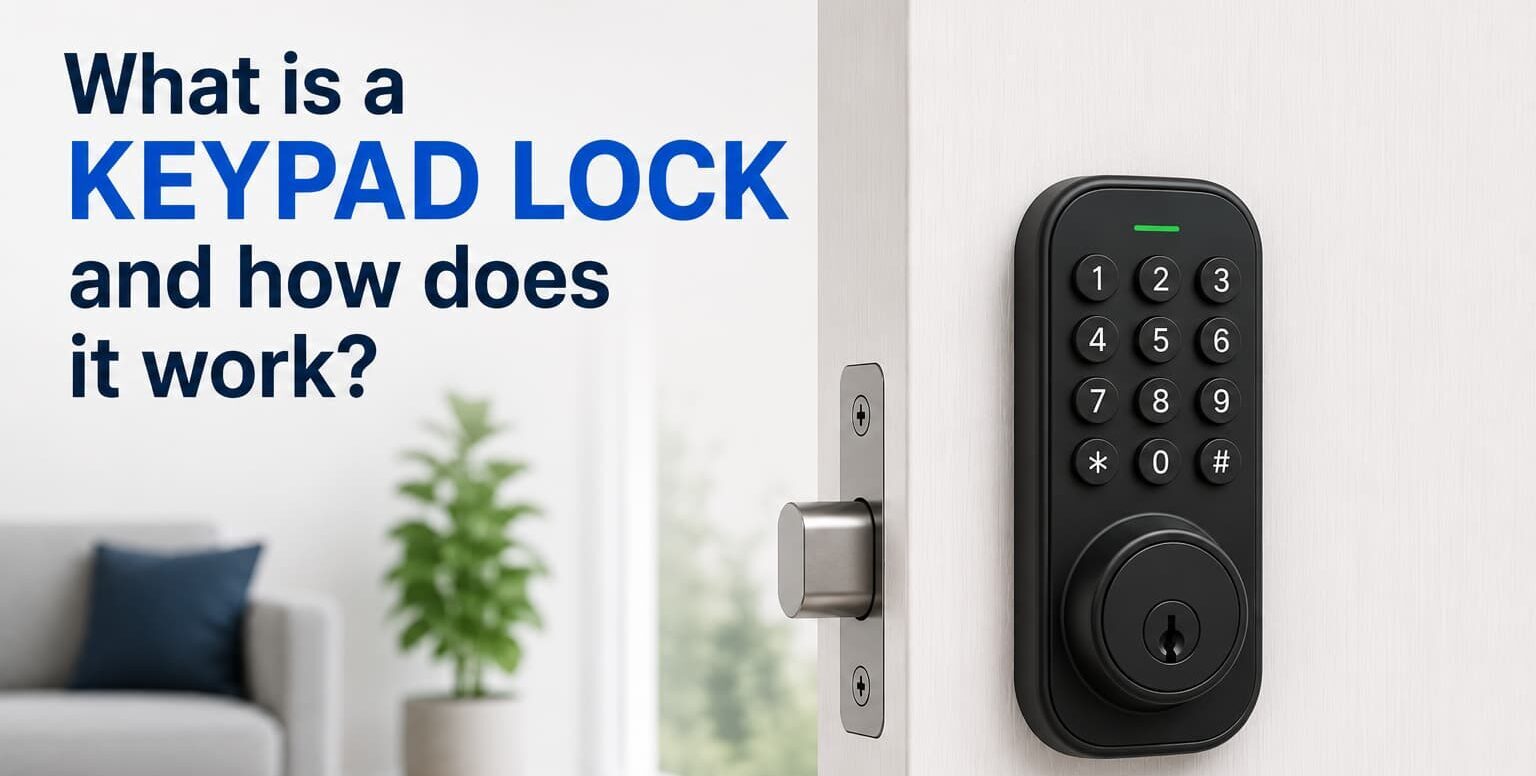

A keypad lock opens a door after the correct PIN is entered. It gives property owners code-based entry without handing out more physical keys, which can be useful for homes, apartments, offices, storage rooms, and garage access points.
What Is a Keypad Lock?
What Is a Keypad?
What is a keypad refers to a numbered button pad or touch panel. On entry hardware, the keypad sends the entered PIN to the lock or opener so the request can be checked.
Key Tech reviews the full opening before recommending hardware. The frame, strike plate, handle position, weather exposure, battery location, user count, and code-change routine all affect whether the setup will feel secure in everyday use.
Keypad Door Locks for Homes and Apartments
A keypad door lock is helpful when more than one person needs entry and copied keys are hard to manage. A parent may want a child’s PIN. A landlord may need a short-term code. A small office may want separate staff access.
The door still has to move correctly. If it drags, bounces back, or does not meet the strike cleanly, the lock can seem faulty even when the electronics are reading codes correctly.
Garage Door Keypads and Access Systems
An exterior code panel is normally installed outside and paired with the opener. It lets an approved person raise the overhead panel without carrying a handheld remote.
| Feature | Keypad Door Lock | Garage Door Keypad |
| Main Purpose | Lock and unlock a door | Open and close a garage door |
| Typical Location | Homes, apartments, offices | Residential garages |
| Access Method | PIN code | PIN code |
| Security Function | Controls door access | Controls garage access |
| Common Users | Homeowners, tenants, businesses | Homeowners and families |
How Does a Keypad Lock Work?
Entering a PIN Code and Requesting Access
How does a keypad lock work begins with the PIN. The user enters the numbers, and the lock compares the code with the stored list inside the device or connected controller.
A PIN should be easy enough for the user but not easy for others to guess. Repeated digits, birth years, street numbers, and straight-line patterns are not secure choices.
How the Lock Verifies Authorized Users
The lock checks whether the PIN exists, whether it is still active, and whether any limits apply. Some models support several users, short-term codes, wrong-code lockout, auto-lock, or simple event history.
How does a keypad work follows the same principle. The panel receives digits, the electronics process them, and the device responds with approval or denial.
What Happens When Access Is Granted or Denied
When the PIN is approved, the latch, lever, motor, or deadbolt releases. When the PIN is wrong, the door stays closed. Many units pause after repeated failed attempts, helping keep the opening secure.
| Step | Description |
| 1 | User enters a PIN code |
| 2 | The system checks the code |
| 3 | Access permissions are verified |
| 4 | The lock responds to the request |
| 5 | The door unlocks or remains locked |
How to Use a Keypad Door Lock
How to Use a Keypad Door Lock for Everyday Access
How to use a keypad door lock usually means waking the panel, entering the PIN, waiting for the signal, and opening the door. If automatic relocking is enabled, the user should confirm that the lock is secure after entry.
Creating and Managing PIN Codes
How to use a keypad well also means keeping codes organized. Each regular user should have a separate PIN when the model allows it. This makes it easier to remove one person without changing every code.
Temporary codes can be useful for cleaners, dog walkers, contractors, guests, and deliveries. Once the visit is finished, the code should be removed instead of left active.
How to Open Keypad Door Lock Systems
How to open keypad door lock systems depends on the model. Many require the PIN, a confirm button if included, and then a handle turn or motor release. If the battery is weak, the backup key, jump contact, or emergency power method may be needed.
Best Practices for Keypad Lock Use
- Create unique PIN codes
- Change codes regularly
- Remove unused user codes
- Enable auto-lock features
- Keep backup access methods available
- Monitor user access when possible
Garage Door Keypads Explained
How to Use a Garage Door Keypad
How to use a garage door keypad usually means entering the assigned PIN and pressing the opener command. The opener receives the signal and moves the overhead panel.
The panel should be easy for family members to reach but not so visible that someone standing nearby can watch the code. Good placement improves comfort and keeps the routine more secure.
How to Open Garage Door Keypad Systems
How to open garage door keypad systems starts with the correct PIN. If nothing happens, check the battery, opener pairing, lockout mode, worn buttons, blocked signal, or a recent code reset.
Common Uses for Garage Door Keypads
- Family access
- Guest access
- Delivery access
- Backup entry without keys
- Access without a remote control
How Secure Are Keypad Door Locks?
Are Keypad Locks Secure for Homes and Apartments?
How secure are keypad door locks depends on the hardware, installation, PIN habits, and maintenance. A keypad lock can be secure when the strike is solid, the PIN is not obvious, inactive users are removed, and the backup key is protected.
Security Features of Modern Keypad Locks
Modern options may include automatic relocking, wrong-code lockout, temporary codes, backlit buttons, tamper alerts, low-battery warnings, and activity logs. These features help when they are turned on and reviewed.
Common Risks and How to Improve Security
Common risks include shared PINs, simple codes, worn buttons, finger marks, weak batteries, poor alignment, and loose hardware. To stay secure, use longer codes where possible, clean the panel, change shared codes after guests leave, and make sure the door closes without force.
| Feature | Traditional Lock | Keypad Lock |
| Physical key required | Yes | Optional |
| PIN code access | No | Yes |
| Temporary access codes | No | Yes |
| Multiple user access | Limited | Yes |
| Remote management | No | Available on some models |
| Security level | Standard | Enhanced when configured correctly |
Solution, Services, and Installation
Solution Planning
Key Tech reviews how people approach and leave the opening. A family entrance, apartment unit, office back door, storage room, and service bay may need different PIN rules. Traffic, weather, user count, lighting, and future security needs all matter.
The plan should also define code ownership. Who creates a PIN? Who deletes old users? Who receives low-battery warnings? Who knows where the backup key is stored? These decisions keep the keypad lock practical after installation.
Services for Residential and Commercial Properties
Services may include hardware selection, strike adjustment, opener pairing, PIN setup, backup key planning, user training, and access review. Businesses may also need staff code records, stronger lock hardware, and a clear process for former employees.
For exterior locations, Key Tech checks rain exposure, mounting height, hand reach, lighting, and sightlines from sidewalks or parking areas. The goal is a code panel that is easy to use without making the PIN too easy to observe.
Installation Details That Matter
Installation should include latch alignment, mounting height, battery access, keypad visibility, PIN programming, auto-lock testing, and handover. The finished unit should feel stable, secure, and easy to operate during normal traffic.
For rentals and business properties, handover should include more than a quick demonstration. The owner should know how to change a PIN, remove an old user, handle low-battery alerts, and protect the backup key. Those small steps prevent avoidable service calls and keep the lock secure.
Final Thoughts About Keypad Locks
Code-based entry is useful when a property needs access without issuing extra keys. It can work for homes, apartments, offices, storage rooms, and vehicle-bay areas when the hardware fits the opening and the PIN routine is managed.
Key Tech can help choose and install a keypad lock solution that matches the door, users, and security needs. The best result is a clean installation, a secure code plan, and a lock that remains practical in everyday use.