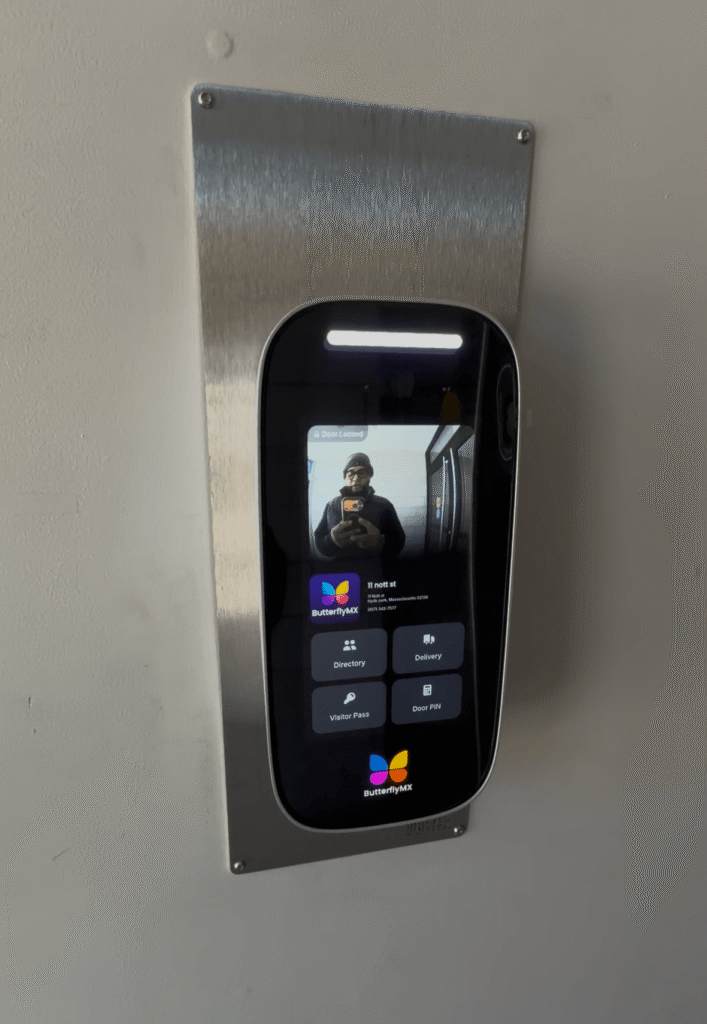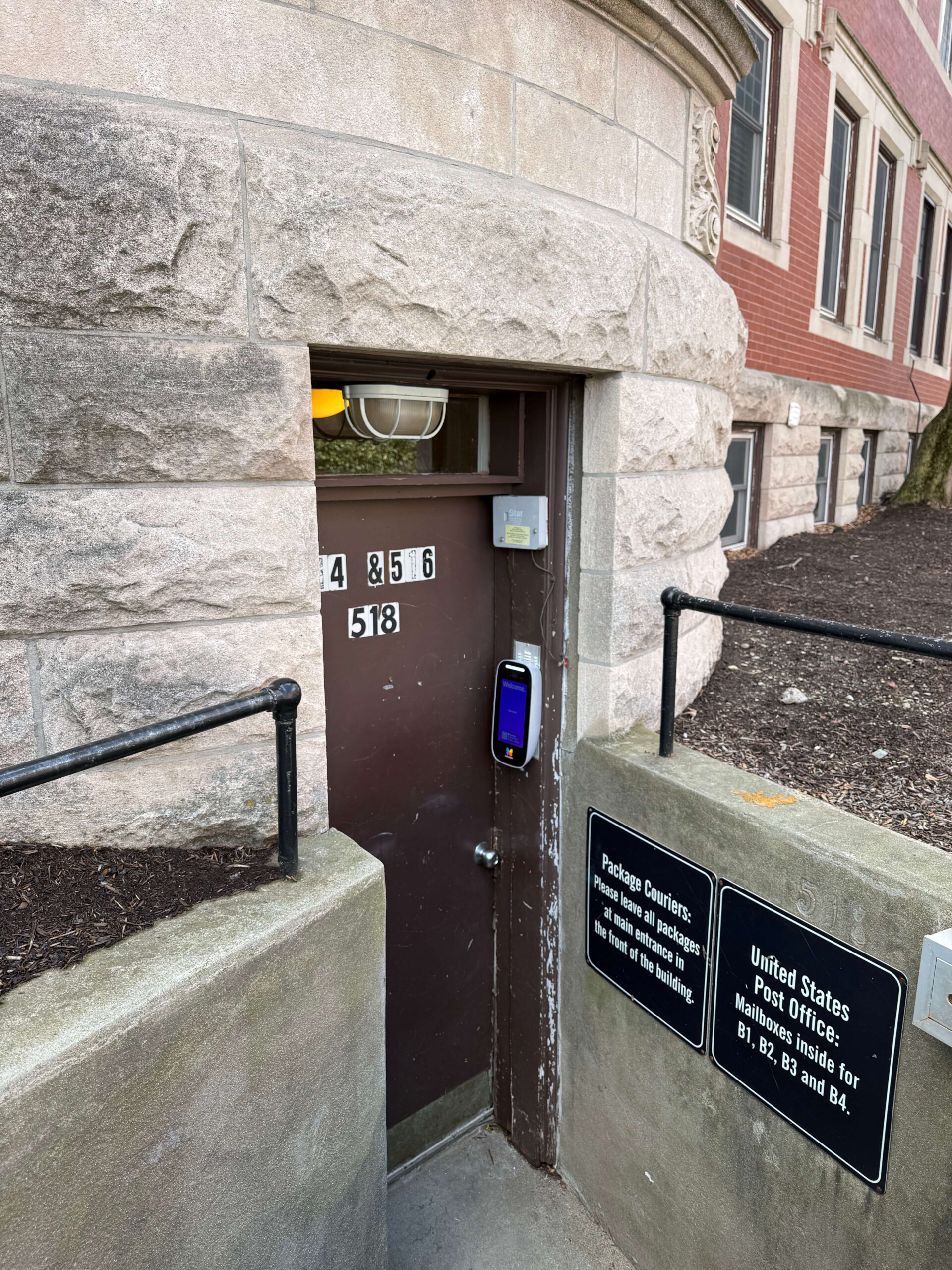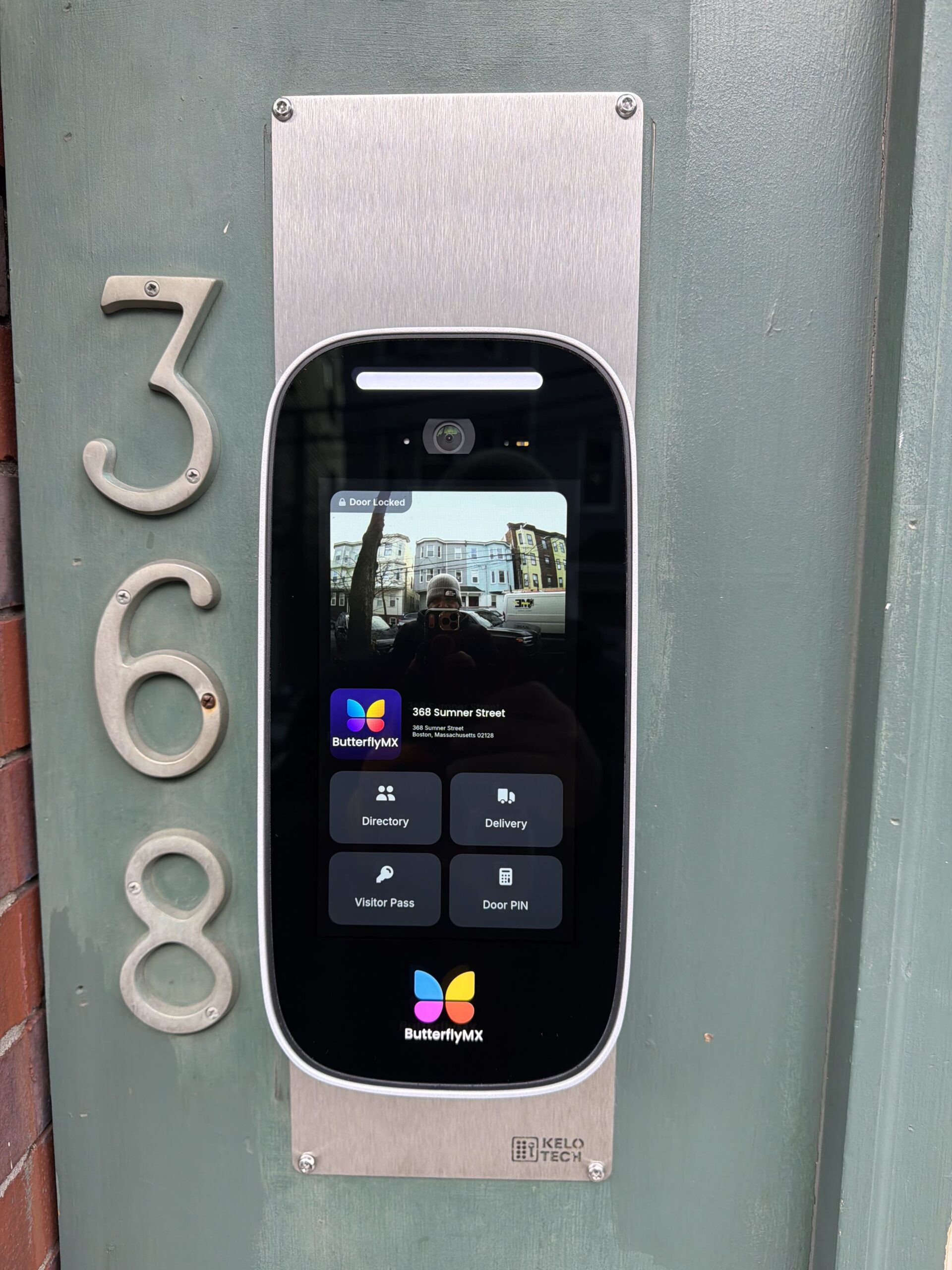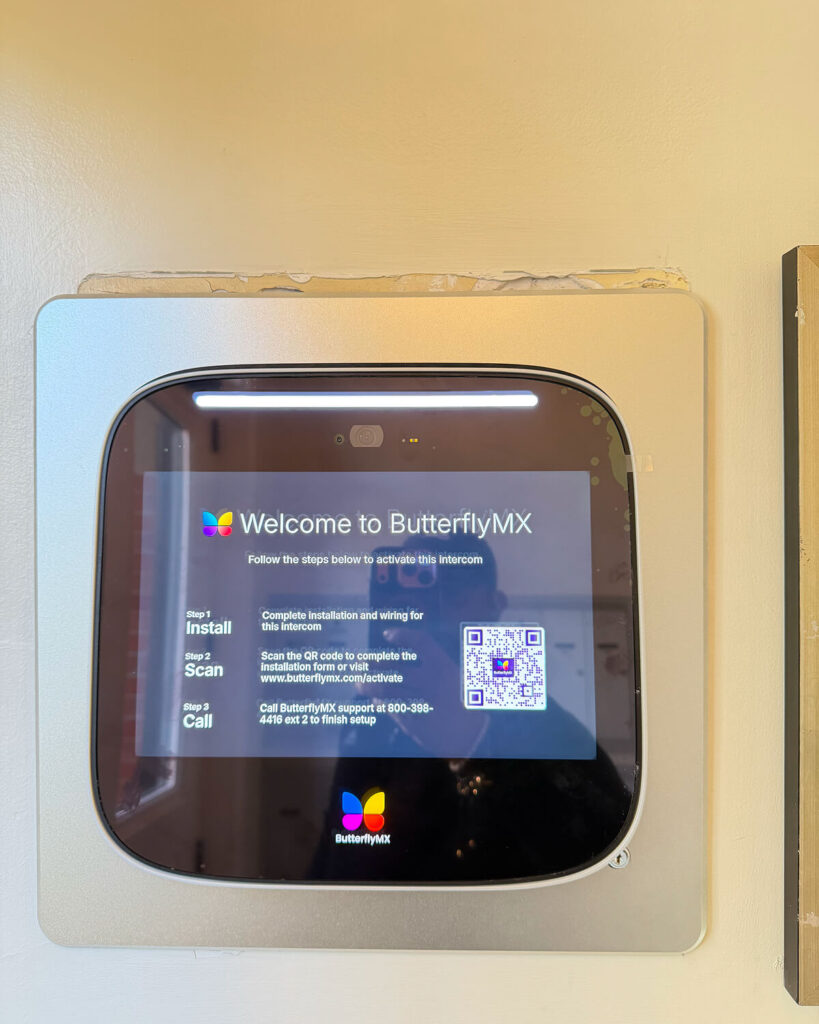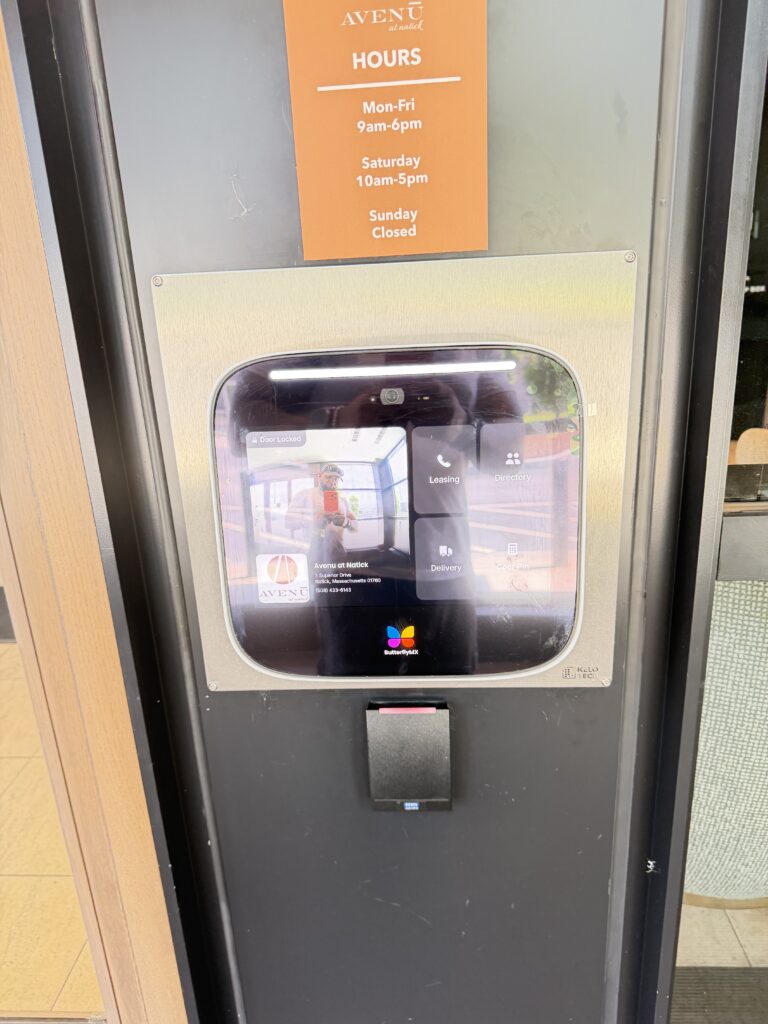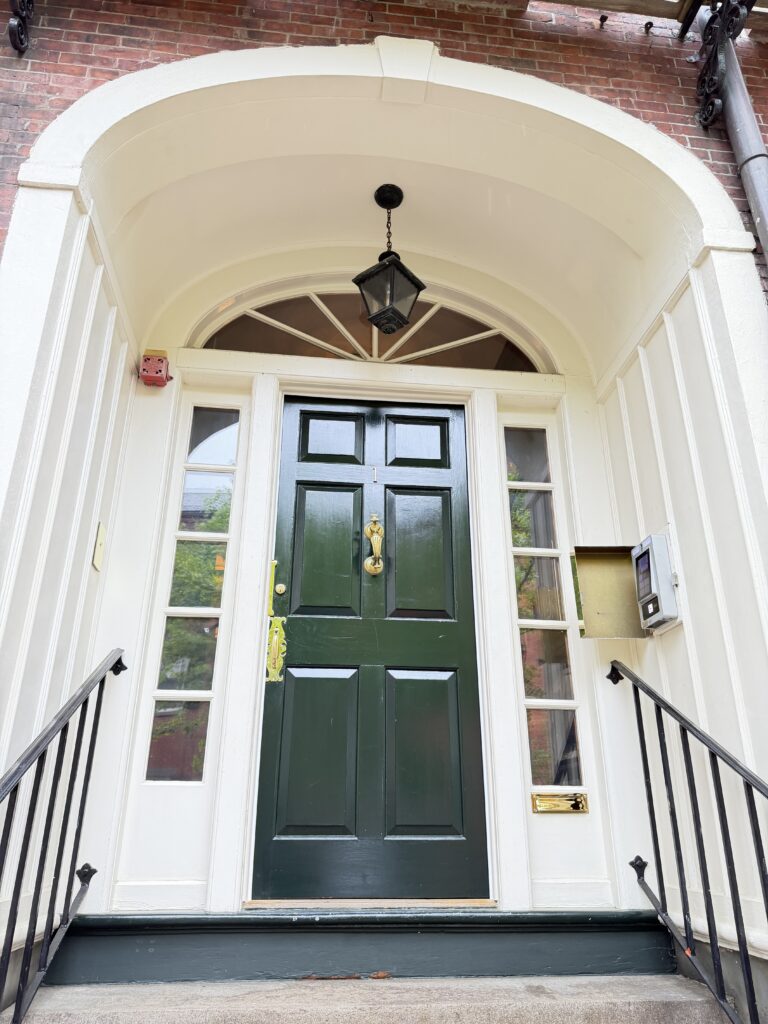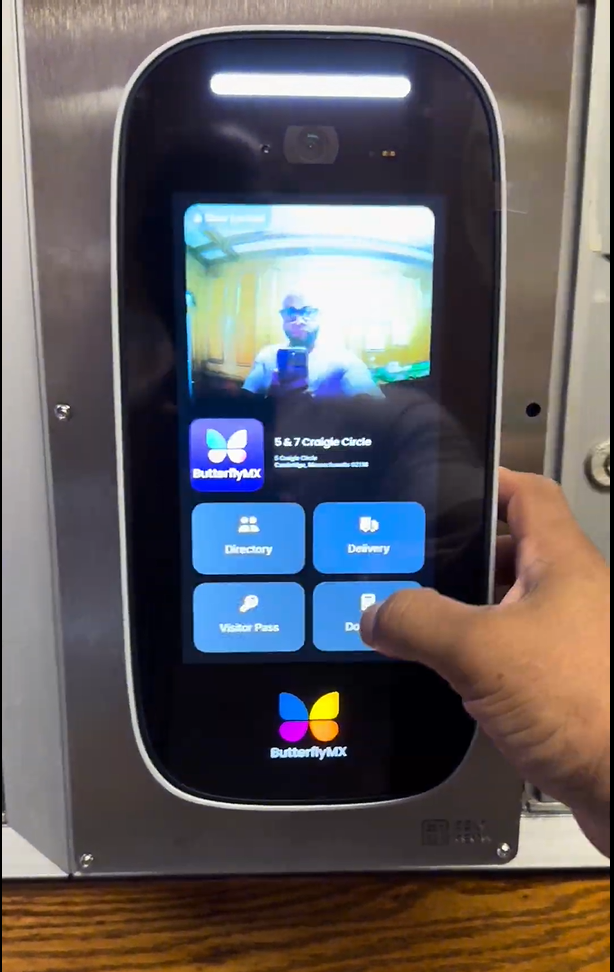
We install smart lock systems that replace traditional key-based entry with reliable electronic access. Our team handles hardware selection, low-voltage wiring, and full system configuration to deliver keyless entry solutions built for lasting daily performance.
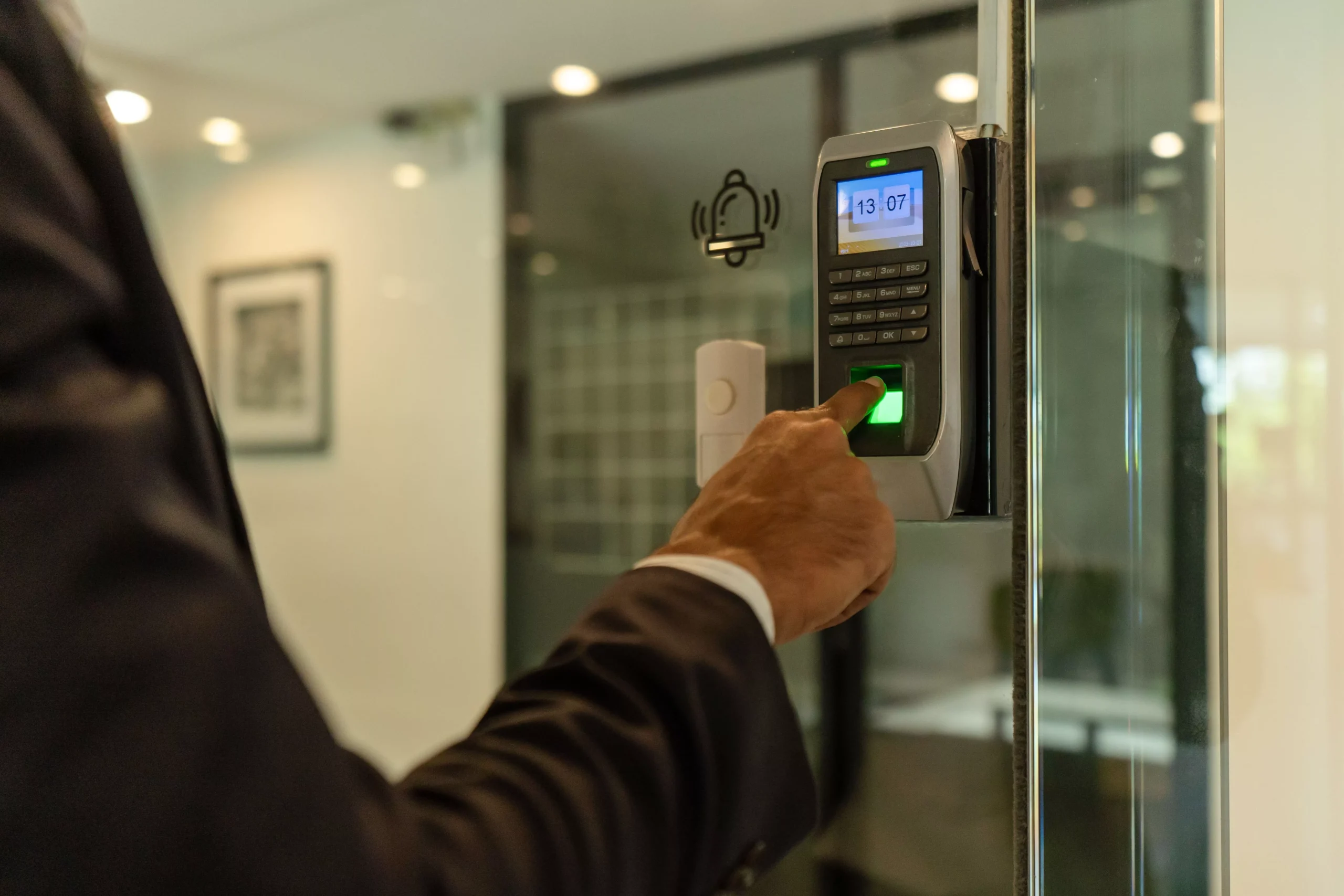
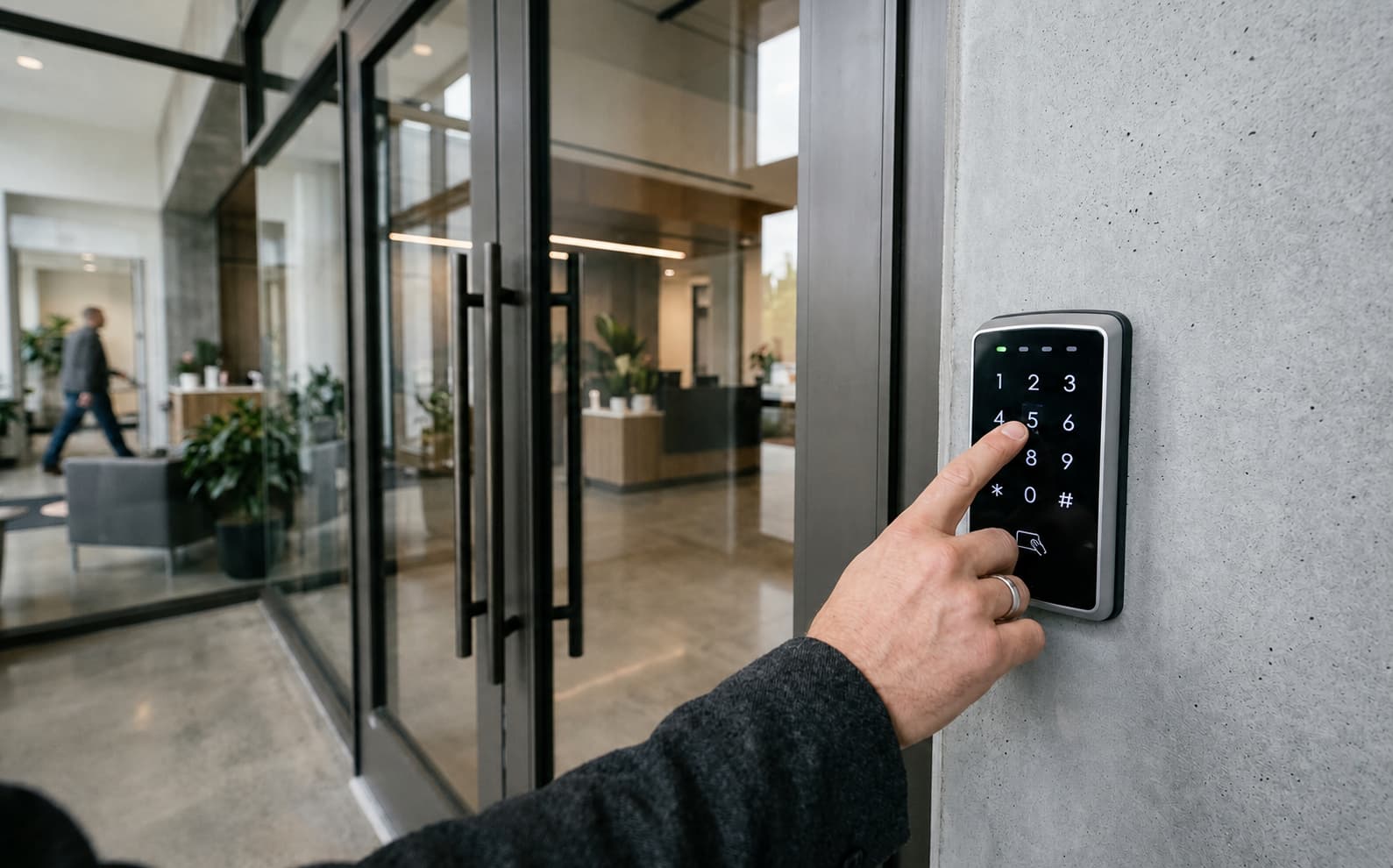
Smart lock installation requires more than mounting a device — it demands proper alignment with your existing door hardware, access control infrastructure, and network configuration. We assess your entry points, frame compatibility, and wiring conditions before selecting and installing the right lock solution for your property.
We work with leading smart lock platforms to provide keyless entry, remote locking, and user-specific access scheduling. Each unit is configured for secure credential management, whether through mobile apps, key fobs, or integrated access control panels. Audit trail features are activated to log every entry and exit event with accurate timestamps.
For multi-unit residential buildings and commercial facilities, we configure role-based access levels and integrate smart locks with existing intercom and surveillance systems. Installation is completed with clean low-voltage wiring and verified performance testing before handoff. The result is a secure, manageable entry system built for everyday reliability and long-term operational control.

We review your objectives, property requirements, and security priorities to understand your project scope.

A qualified technician conducts a detailed evaluation of your property, infrastructure, and system layout.

We prepare a tailored proposal outlining recommended solutions, system specifications, and project scope.

Our team completes the installation with precision, ensuring proper wiring, configuration, and system performance.
Fast, straightforward quoting with clear scope and pricing. We assess your needs and deliver a reliable estimate without unnecessary delays.
View Our Completed Projects
Smart locks improve door security by replacing keys with controlled permissions and verified entry. A smart lock solution works best when it matches how the property operates, how visitors arrive, and how access needs change over time.
A smart setup is not just hardware on a door. It’s a routine: who can enter, how requests are handled, and what happens when someone loses a credential or needs temporary access. For most properties, the goal is consistency—people should know what to do at the door and what to expect when they arrive.
Smart access works differently in residential vs. commercial settings. A home may prioritize simple daily use. A business may prioritize clear roles, auditable access events, and predictable rules across multiple doors.
For residential use, the main advantage is reducing “gray areas” at the door—uncertainty about who is outside and whether access should be granted. A smart lock helps families manage daily entry without copying keys or leaving spares. It also supports practical controls such as schedules for guests, time-limited access for service providers, and quick permission changes when circumstances shift.
Residential security is often undermined by small habits: leaving the door unlocked during busy hours, lending out keys, or ignoring basic routines because they feel inconvenient. A smart approach reduces those weak points by making the safe option easier to follow.
Use cases that benefit most:
Commercial environments care less about novelty and more about control. A smart lock can reduce key management overhead and improve clarity: who can enter, during which hours, and under which conditions. In offices and shared buildings, this reduces “informal access” that often happens when keys are copied or passed around.
A commercial lock setup usually requires tighter definition of responsibility. If multiple people can grant access, rules must be clear so decisions don’t vary depending on who is available at the moment.
Common commercial needs:
Accessibility matters when the property includes children, older residents, or staff who need a faster entry flow. Accessibility features can include remote unlock, scheduled entry, and simpler authentication steps. The aim is to reduce friction at the door without loosening security.
Accessibility should be assessed as part of planning, not as an afterthought—especially if the property expects frequent visitors or shared responsibility for entry.
Most selection mistakes happen when people focus on features rather than daily workflow. The right system is the one that fits how the door is used, not the one with the longest list.
Digital smart lock systems support keyless door entry with defined permissions. Instead of relying on physical keys, access is managed through controlled credentials. This improves predictability: you can grant access, remove access, and adjust access timing without changing locks or issuing new keys.
Where digital control helps most:
Smart lock integration matters when a property uses multiple security layers. Integration can support consistent rules across doors, help standardize access events, and reduce confusion when staff changes or when tenants rotate.
In real operations, integration is mainly about avoiding “two systems that disagree.” If one process grants access and another denies it, people bypass rules. A single, consistent routine reduces that risk.
A universal feature set should make daily entry predictable:
If a smart configuration requires too many steps, people stop following it. A simpler workflow usually improves long-term security.
Properties choose different approaches depending on risk, traffic, and staffing. The same lock can succeed in one building and fail in another if the routine doesn’t fit.
For home door upgrades, prioritize consistency and ease of use. A smart lock solution should support everyday entry without complicated steps. If people hesitate at the door, they create workarounds. If the routine is obvious, it gets followed.
A good home plan includes:
For business access control, rules matter more than convenience. Smart locking solutions should support clear permission boundaries. If staff access is broad and undefined, security becomes a guessing game.
Operational questions that should be answered before selection:
Affordable choices can work if they match the door and usage pattern. A cheap option becomes expensive when it causes operational disruption, repeated resets, or inconsistent locking behavior.
A practical way to keep budget aligned:
Installation alone does not guarantee reliability. The real test is daily use: busy mornings, deliveries, staffing changes, and small mistakes that accumulate. This is why ongoing service matters.
Smart lock customer service should cover practical support, such as credential issues, configuration changes, and troubleshooting when behavior drifts from expected routines.
Support is most valuable when it prevents “small issues” from becoming habits—like leaving the door open because the lock routine feels confusing.
Professional service should include periodic review of:
A service plan reduces emergency calls and keeps the lock routine aligned with how the property actually functions.
People often search near me because response time matters when entry problems affect operations. Local support helps when a door must be restored quickly, especially in commercial settings. If you’re comparing providers, ask what their standard response process is and what they consider “critical” access issues.
When people search for a ‘smart lock installation service near me,’ they typically want a faster onsite evaluation and clearer planning.
A smart device can fail as an access tool if the door, alignment, or routine is poorly planned. Installation affects real-world performance more than marketing specs.
Smart lock installation should be planned around door types, daily traffic, and user access needs. Residential solutions often focus on quick entry and simple guest access, while commercial setups require clearer roles and predictable rules for staff.
Key installation checks:
The smart lock installation cost depends on the door condition, labor complexity, and how much setup is needed for access rules. Pricing also varies based on whether the property needs a single door upgraded or multiple doors standardized.
Below is a practical way to think about cost and price without guesswork:
| Factor | Why it affects cost | Typical impact on price |
| Door condition/alignment | Poor alignment causes unreliable behavior | Higher labor time |
| Number of users & rules | More permissions require more setup | Higher configuration time |
| Door traffic level | High-traffic doors need stable routines | Higher planning effort |
| Ongoing service needs | Updates and changes add recurring cost | Lower emergency price spikes |
Cost planning should include:
When choosing a provider, don’t select only by lowest price. Ask how they verify door compatibility and how they define “complete” setup. A reliable installation should include functional testing during real conditions, not only a quick open/close check.
The smart lock solution should be confirmed at the end of setup: the door locks reliably, authorized users can enter without friction, and temporary access behaves exactly as intended.