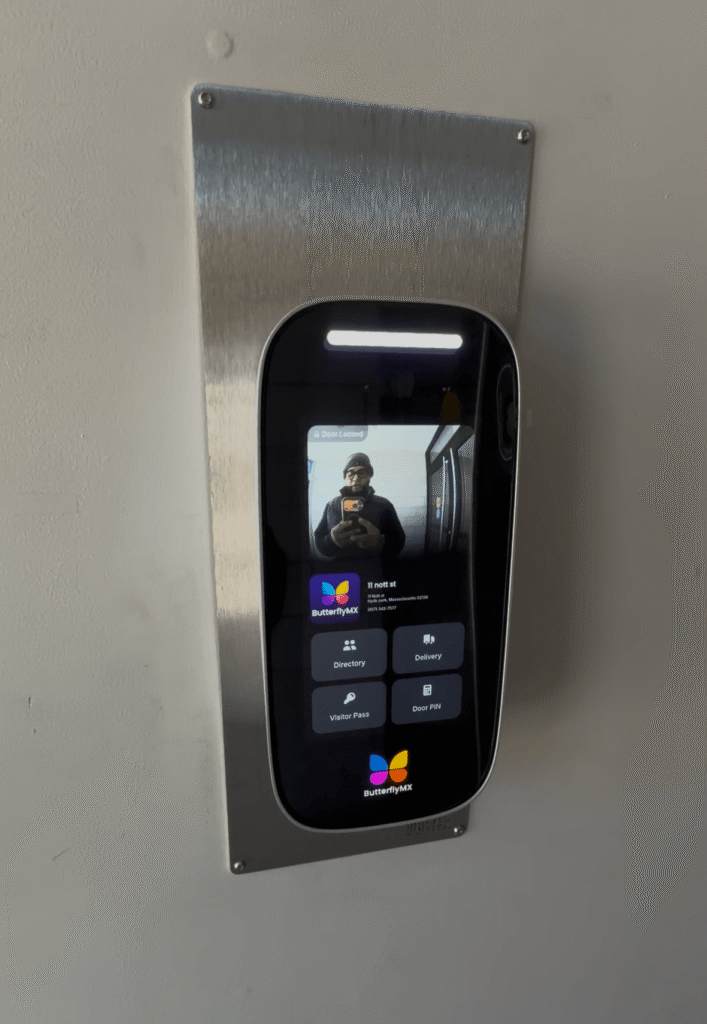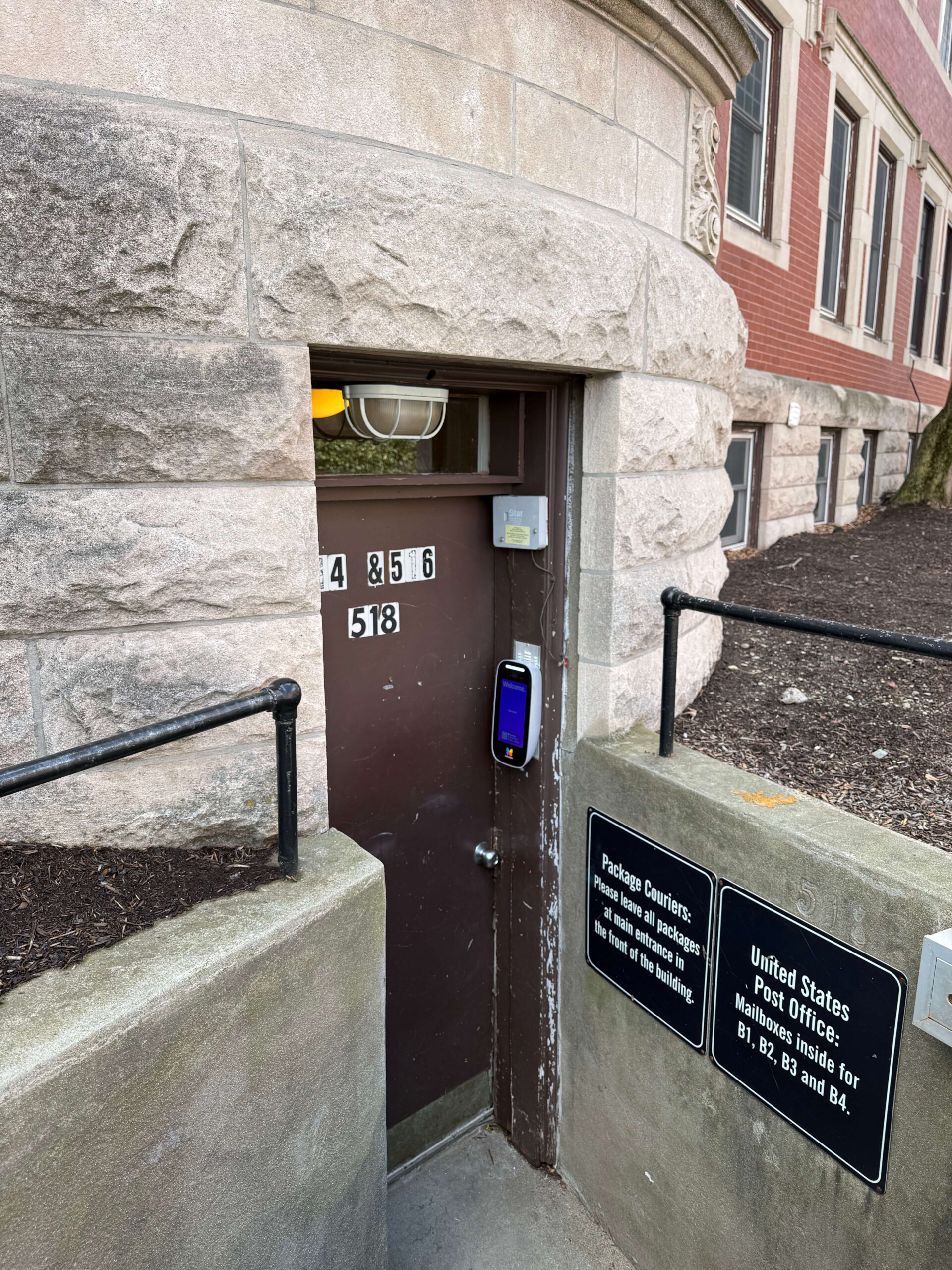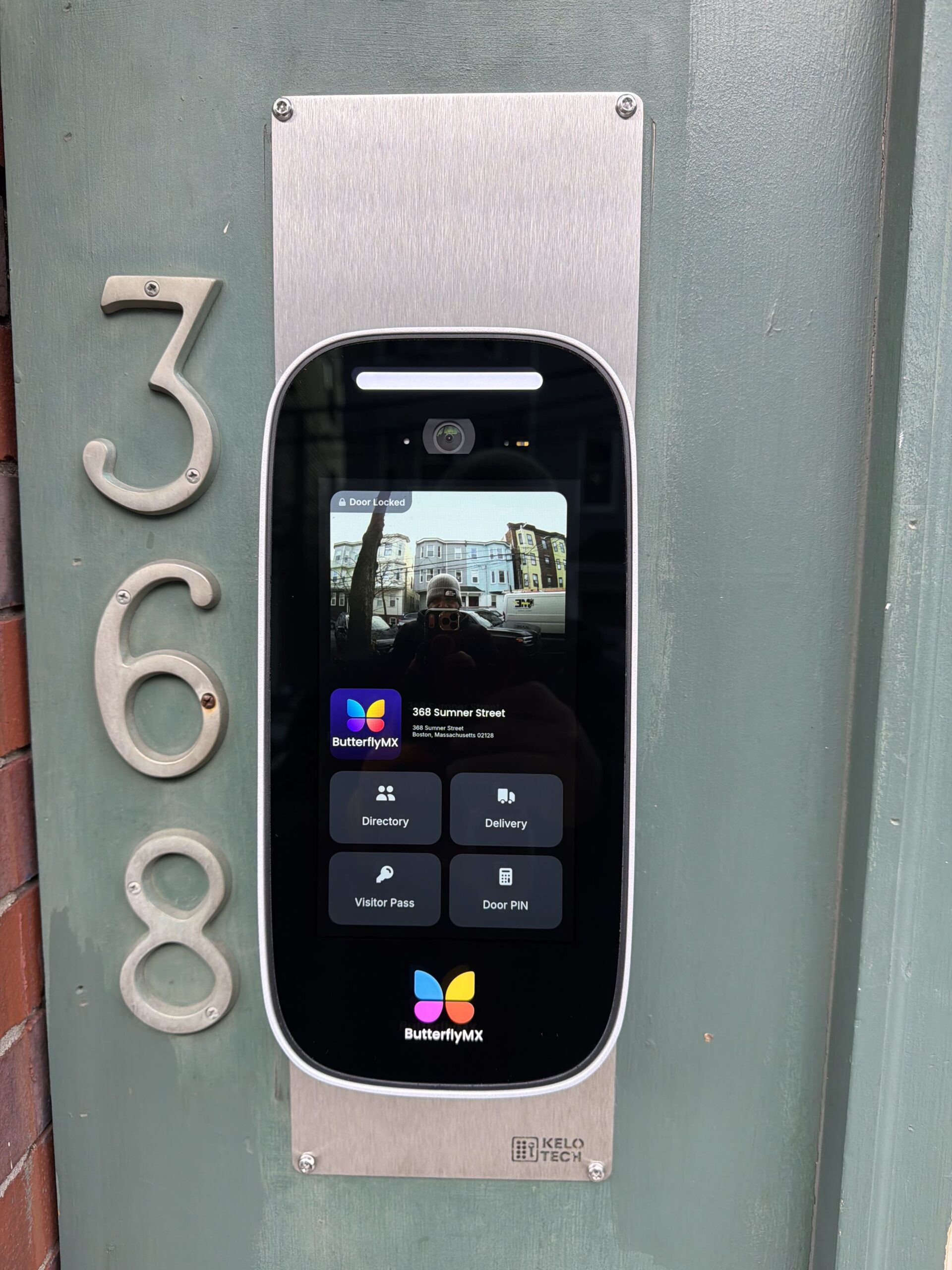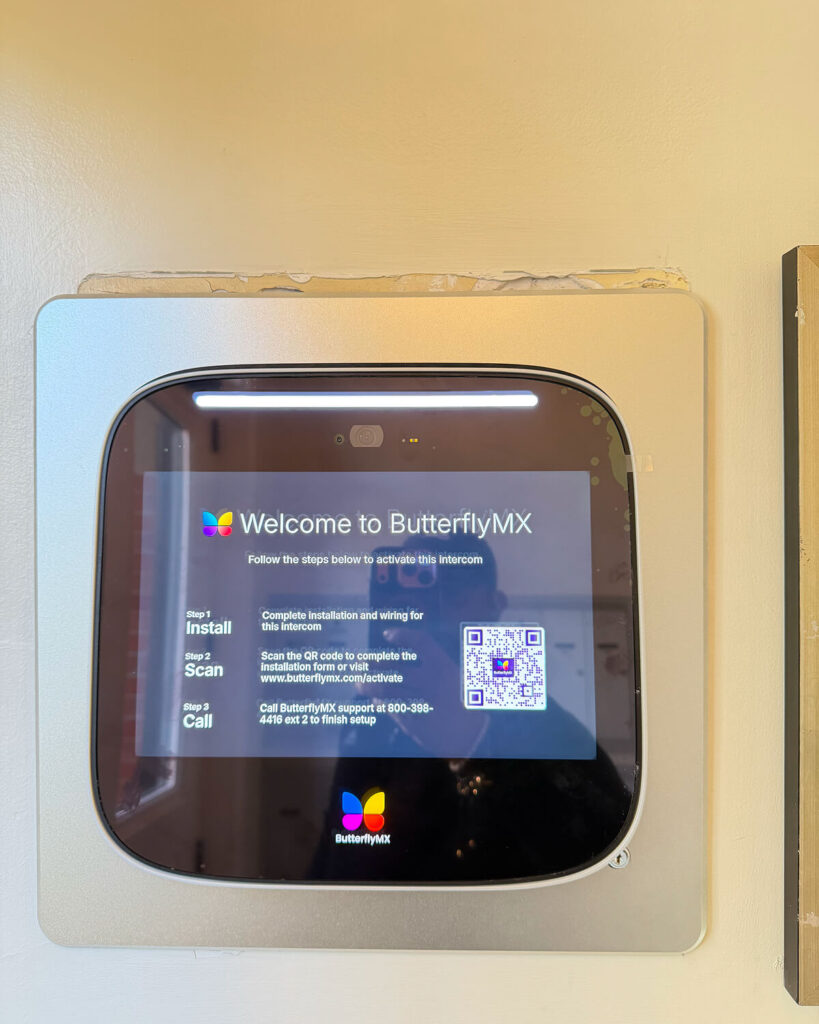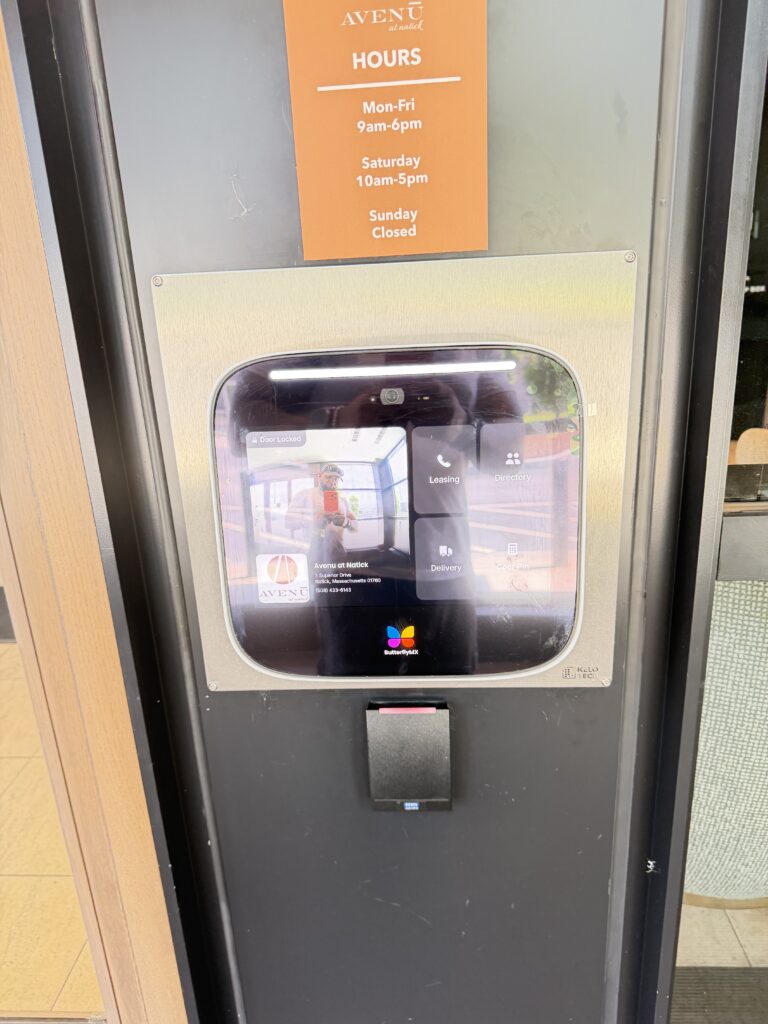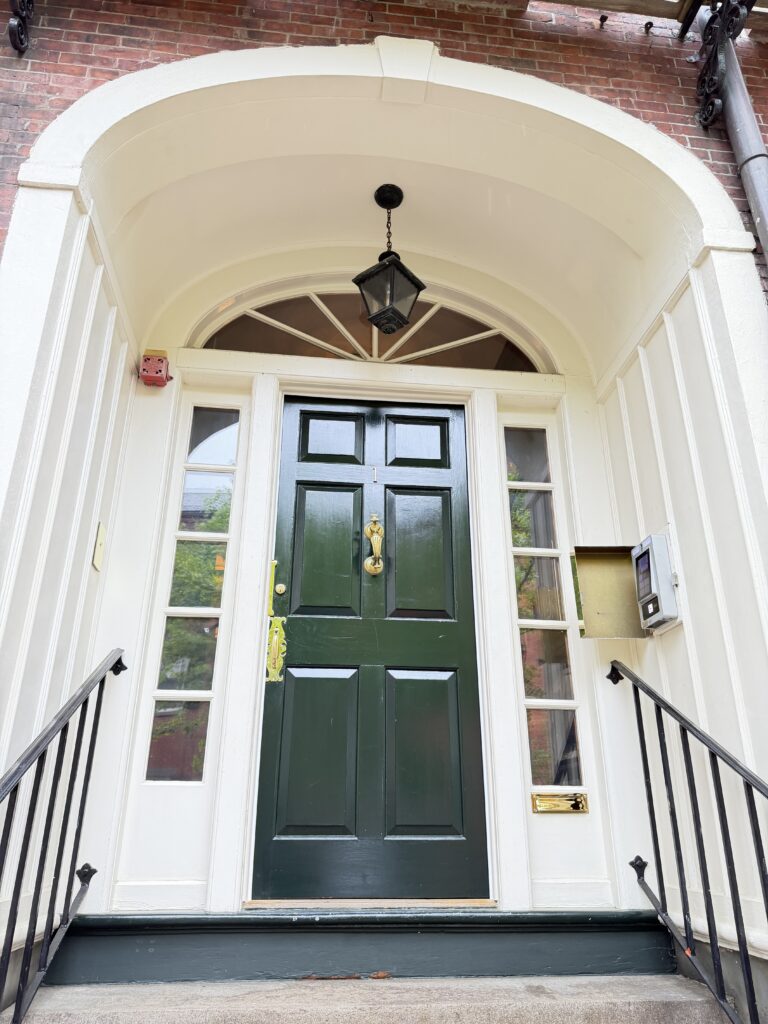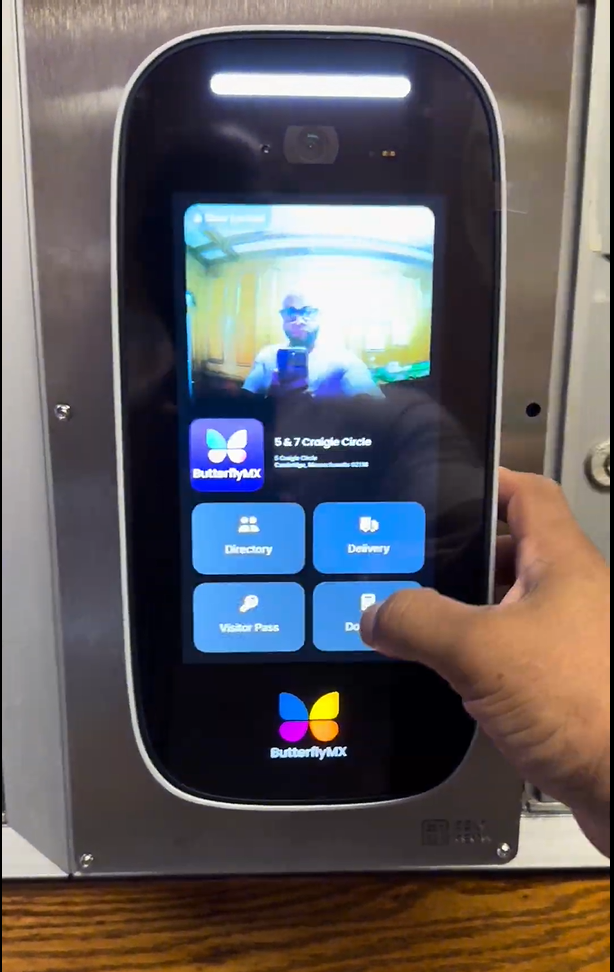
We install modern video intercom systems that enhance security and simplify visitor management. With remote access capabilities and seamless system integration, you can monitor and control entry with confidence.
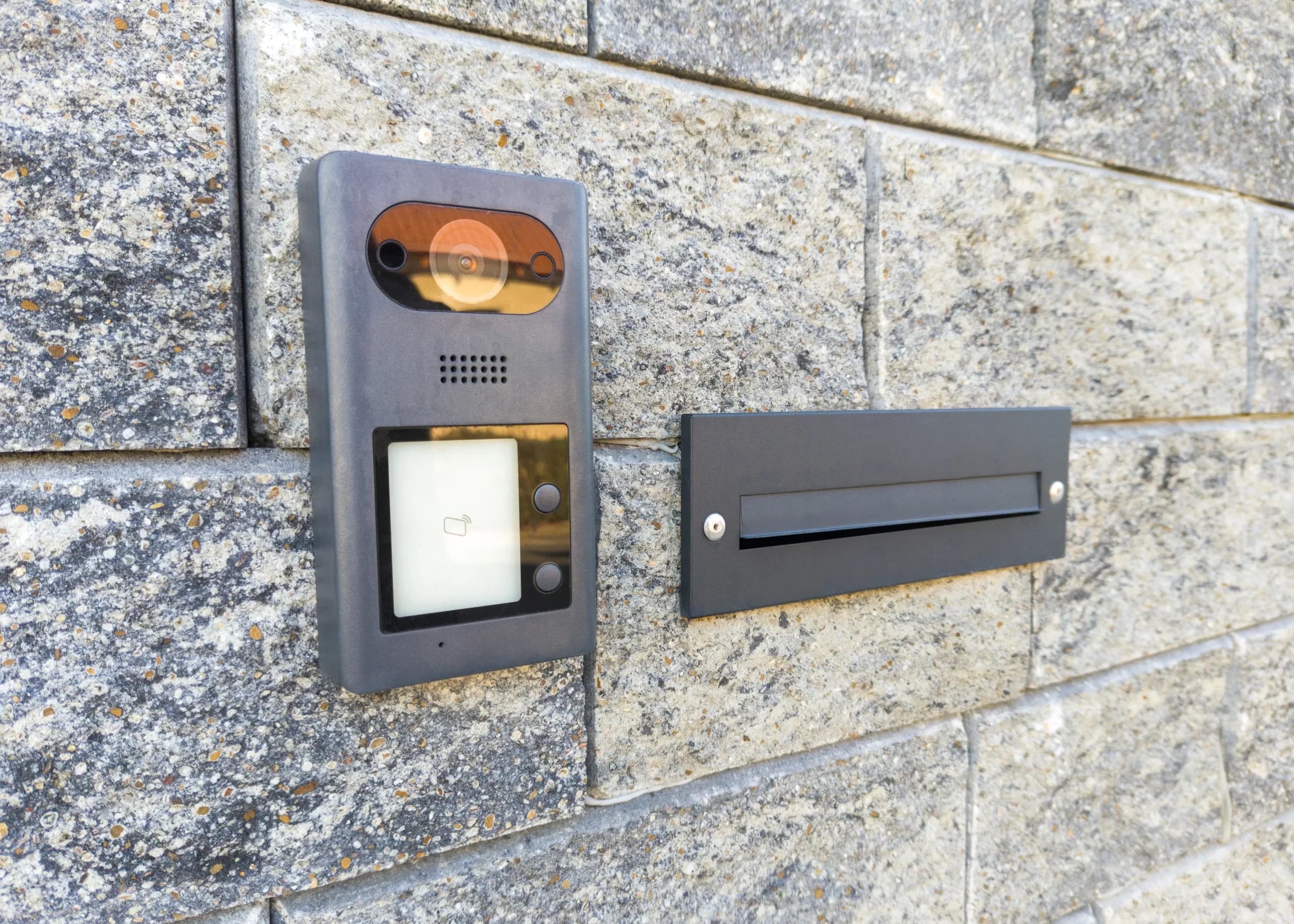
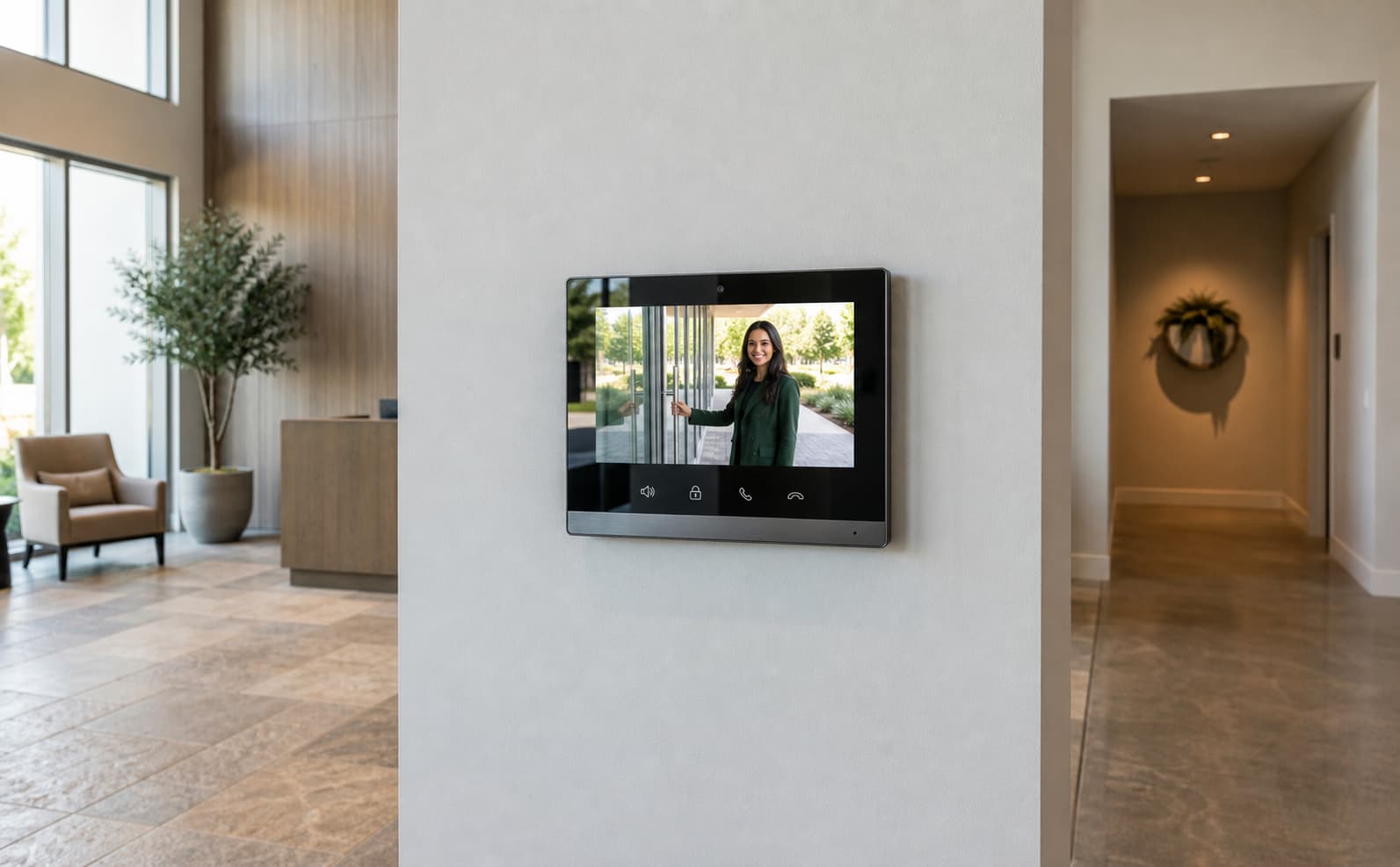
Video intercom systems add a critical layer of security and convenience to modern properties. We install integrated intercom solutions that allow property owners and managers to visually verify visitors before granting access. Our systems support mobile device connectivity, enabling remote communication and entry control from virtually anywhere.
We handle all low-voltage wiring, mounting, and system configuration to ensure reliable operation. Intercom systems can be integrated directly with access control infrastructure for seamless entry management. Directory management, tenant access programming, and remote unlocking features are professionally configured to match your building’s structure. The result is a secure, streamlined visitor experience designed for efficiency and ease of use.

We review your objectives, property requirements, and security priorities to understand your project scope.

A qualified technician conducts a detailed evaluation of your property, infrastructure, and system layout.

We prepare a tailored proposal outlining recommended solutions, system specifications, and project scope.

Our team completes the installation with precision, ensuring proper wiring, configuration, and system performance.
Fast, straightforward quoting with clear scope and pricing. We assess your needs and deliver a reliable estimate without unnecessary delays.
View Our Completed Projects
Intercom systems help control who gets in by letting staff or residents verify visitors at the entry point before access is granted. The right setup reduces day-to-day confusion, supports consistent security, and keeps traffic moving without relying on someone being physically present.
In practice, the goal is predictability. A building runs smoother when guests, deliveries, vendors, and staff follow the same routine every time. That routine can be simple, but it has to be clear—and it has to hold up during peak hours.
Below is a practical, real-world view of technology choices, service expectations, and installation considerations for both residential and commercial properties.
Entry communication works best when it’s treated as an operating process, not a single device on a wall. You’re coordinating three things at once: identifying the visitor, routing the request to the right person, and making a decision that fits the building’s rules.
A common failure mode isn’t “the hardware broke.” It’s routing that doesn’t match how the property actually functions. If requests go to people who are busy, off-site, or unclear on responsibility, response times increase and exceptions become the norm. Over time, that’s when security gets loose.
A doorphone is still the right call in some buildings. If you only need basic two-way audio confirmation and a straightforward “yes/no” decision, it can do the job without extra layers.
Typical doorphone uses:
The simplest flow is often the most followed. When users understand what to do without instructions, you get fewer workarounds and steadier security outcomes.
Visual confirmation changes decision-making speed. A camera view can reduce back-and-forth and helps staff or residents act with confidence when multiple requests arrive close together.
A video intercom system is usually chosen when any of these are true:
In interior lobbies, a monitor can be the difference between a calm decision and a rushed one. If your lobby staff handles several tasks at once, a quick glance is more reliable than long audio exchanges.
Practical placement notes:
If you’re comparing options, ask how the video intercom behaves in low light and how it handles frequent use. Those details matter more than “extra features” that never get used.
Wireless upgrades are often chosen because the building can’t easily run new wiring or because the property is improving the site in phases. A wireless plan can work well, but it has to be engineered around signal stability—not wishful thinking.
Where wireless makes sense:
Where it needs extra care:
When you design this properly, wireless can be clean and dependable. When it’s treated as “plug-and-play,” support calls increase and users lose trust in the entry workflow.
The same hardware can behave very differently depending on how the property operates. A private home has one decision-maker most of the time. A multi-tenant property has rotating responsibility, delivery volume, and exceptions that occur daily.
Residential intercoms are most effective when residents can use them without thinking. In an apartment environment, that usually means quick verification and clear “who answers what” rules.
In a home, the priority is often consistent behavior:
A well-configured entry routine improves residential security because it reduces casual access decisions. People stop improvising when the workflow feels normal.
Commercial sites often need controlled routing. A visitor request may need to reach reception, security, a tenant admin, or a remote manager depending on the hour and the visitor type.
Commercial priorities usually include:
When the workflow is consistent, commercial properties spend less time managing exceptions and more time running the building.
Outdoor units are exposed to weather, lighting changes, and street noise. A durable doorbell-style call station with a camera can work well as long as placement is treated as a design decision, not an afterthought.
Outdoor planning checklist:
A well-placed outdoor video intercom reduces false “I can’t see you” interactions and improves the consistency of security decisions.
A lot of the real value comes after go-live. Buildings change. People change. Operating patterns change. The best outcomes come from planning for support early—because routine adjustments are easier than emergency fixes.
intercom service for modern platforms usually includes:
Digital deployments benefit from scheduled review. Small routing errors tend to grow over time as exceptions stack up.
intercom service isn’t only “repair.” The smart version is operational: it confirms that decision flow matches building rules. That includes who can grant access, how exceptions are handled, and how requests are escalated.
If your goal is steady access control, support should check:
Ongoing support is a cost tool, not a luxury. Planned maintenance reduces downtime and avoids urgent call-outs when the building is busiest.
Common drivers of total cost over time:
One note that matters: the lowest upfront cost rarely equals the lowest long-term cost. Reliable operation tends to be cheaper than repeated fixes.
Installation is where most problems are created—or prevented. Even strong hardware can underperform if it’s mounted poorly, exposed incorrectly, or routed in a way that doesn’t match real building behavior.
intercom system installation should start with a basic operating map:
Good placement work includes:
A second intercom system installation check is testing under real conditions. A quiet midday test is not the same as morning delivery traffic.
installation of intercom system components differs by property type.
Residential priorities:
Commercial priorities:
A clean plan prevents rework. The right routing reduces support calls and makes security decisions easier to keep consistent.
Many owners search intercom installation near me because speed and accountability matter. Using experienced companies helps with proper placement, cleaner testing, and smoother support later.
If you’re comparing providers, ask what the installer does after the first week. That’s where real performance shows up.
The best results come from designing around what actually happens at the entry point: delivery surges, distracted staff, resident turnover, and occasional exceptions that can’t be eliminated.
intercom solutions that include visual confirmation are often used for shared entrances and higher-traffic sites. Video intercom solutions reduce uncertainty by letting users verify before access is granted, even when they’re busy.
Situations where this matters:
A second set of video intercom solutions may be used at service entries where vendor access must be verified quickly but consistently.
There are cases where cheap options are acceptable—especially when the building needs basic function now and a scalable path later.
“Cheap” only works when:
If growth is expected, choose a plan that allows additional entry points without replacing everything. That’s where scalable intercom solutions protect long-term cost.
Digital platforms are often selected when the property needs flexible management: changing roles, updated access rules, and clear logs. Digital intercom solutions that include video can also support remote decision-making without losing verification.
When wireless expansion is part of the roadmap, keep governance tight:
A video intercom system can be a strong fit here, especially when the building needs consistent operation without constant on-site oversight.
| Property need | Practical fit | Notes |
| Low visitor volume, simple approvals | doorphone | Fast, minimal training, fewer moving parts |
| Shared lobby, deliveries, rotating staff | video intercom | Better verification and faster decisions |
| Retrofit with limited wiring | wireless | Works best with proper signal planning |
| Frequent changes in roles/permissions | digital | Easier to maintain rules and routing |
A few questions reduce wrong decisions early:
This is where planning makes the difference. The strongest outcome is not “more features.” It’s a building routine that people actually follow.