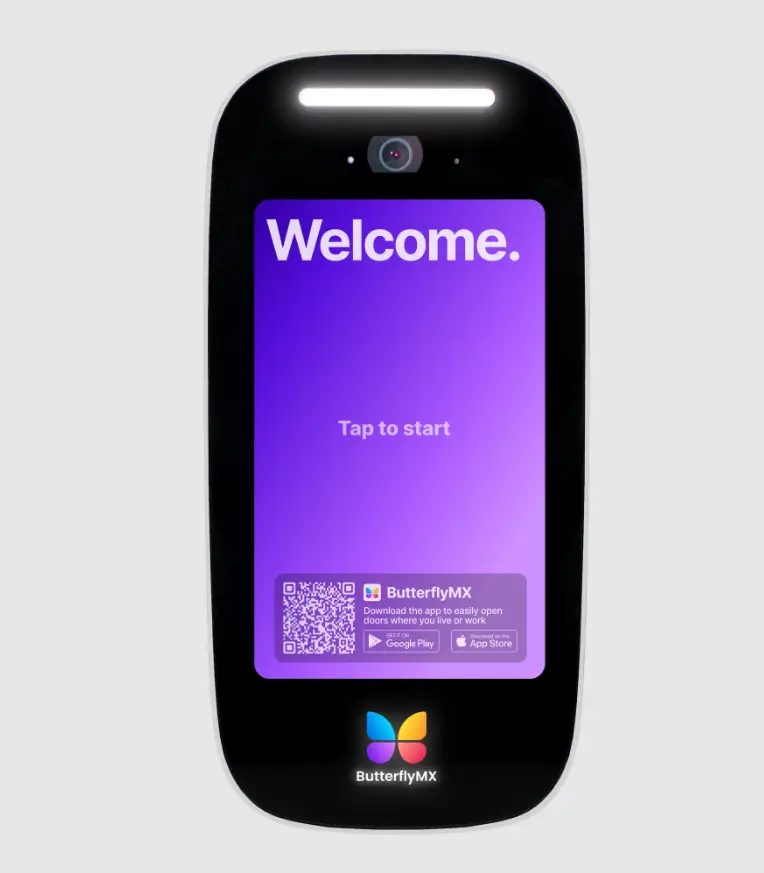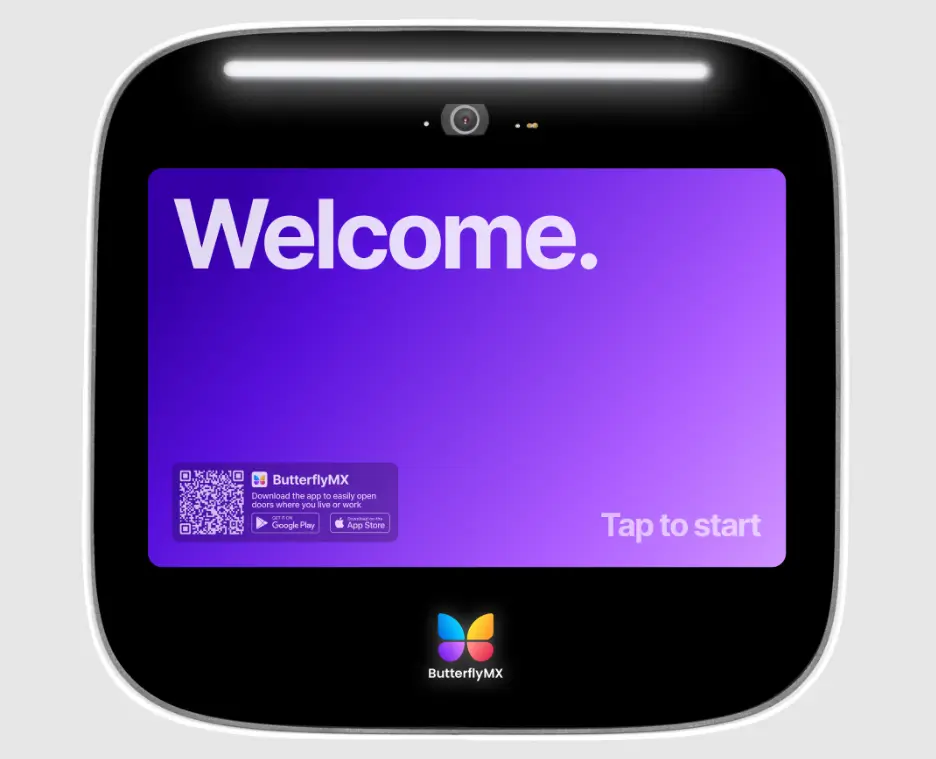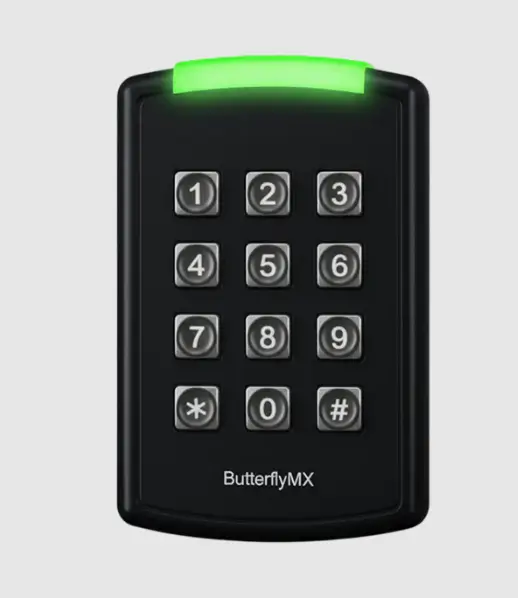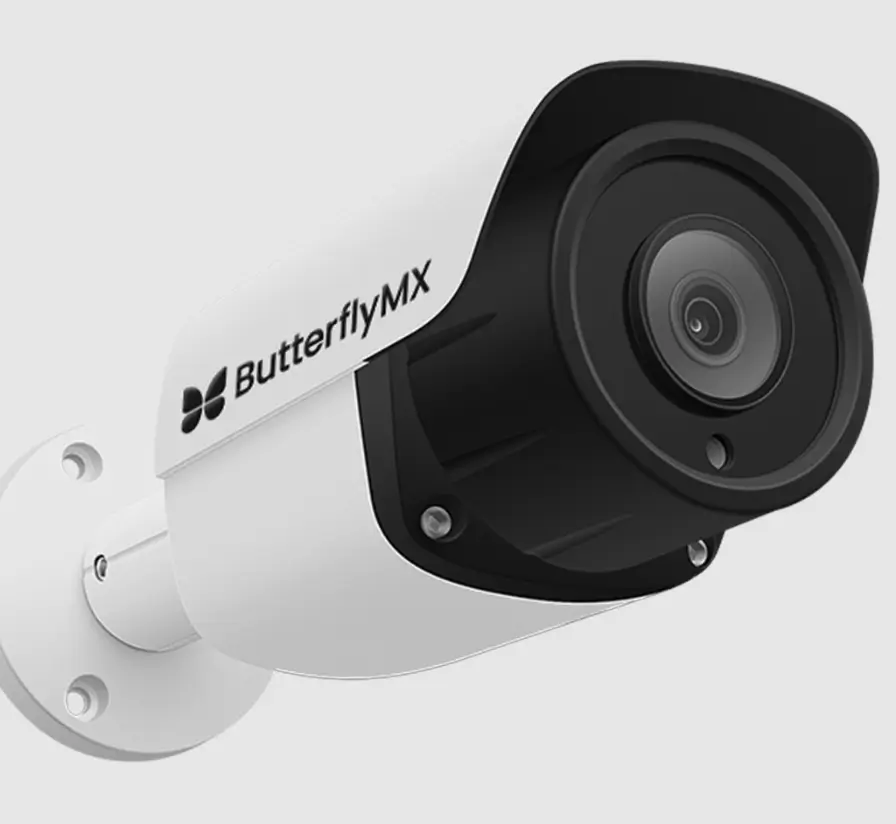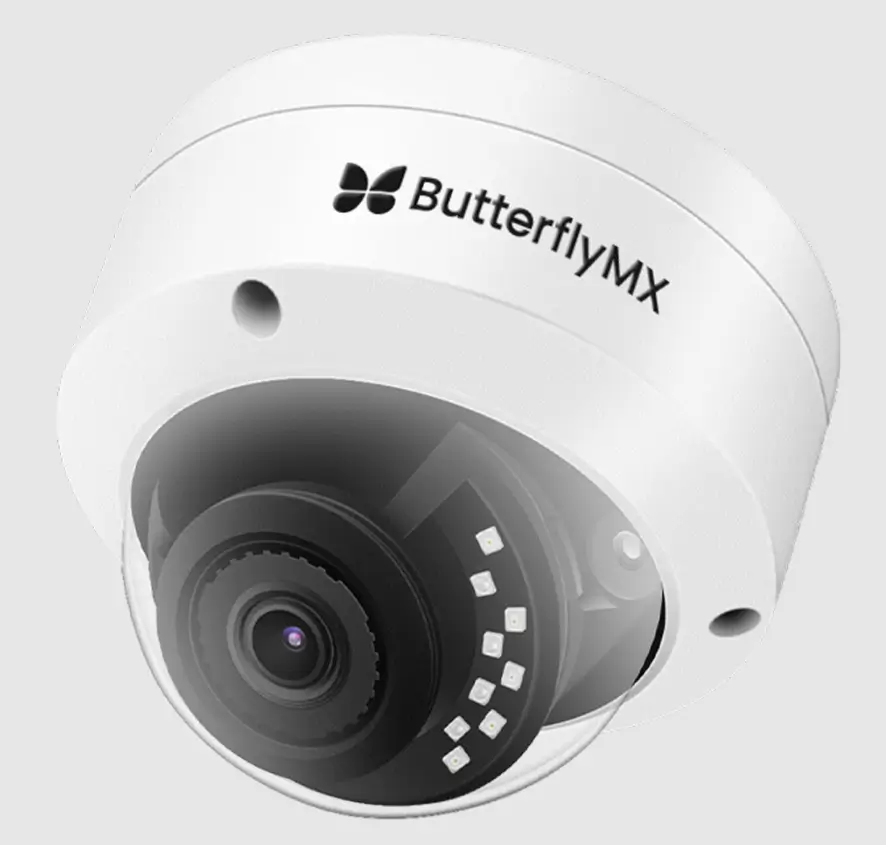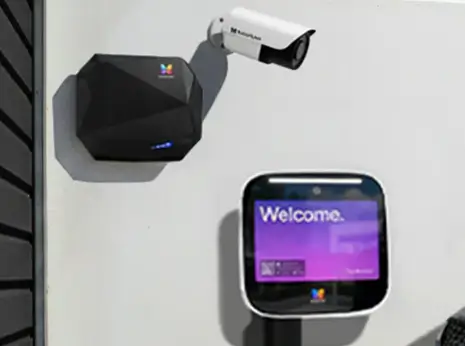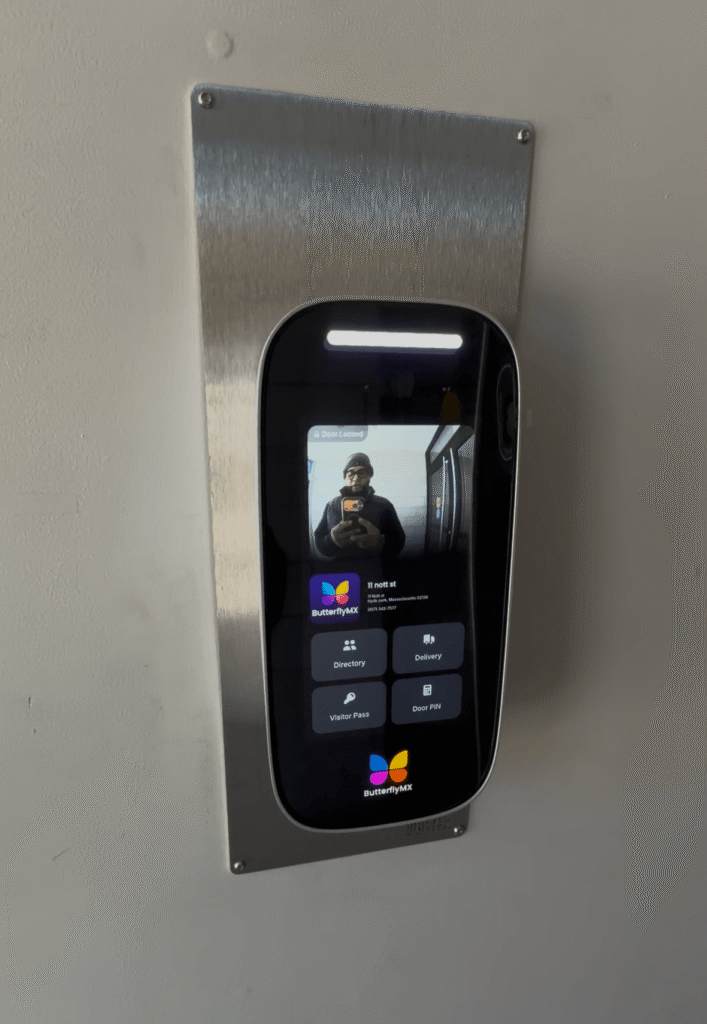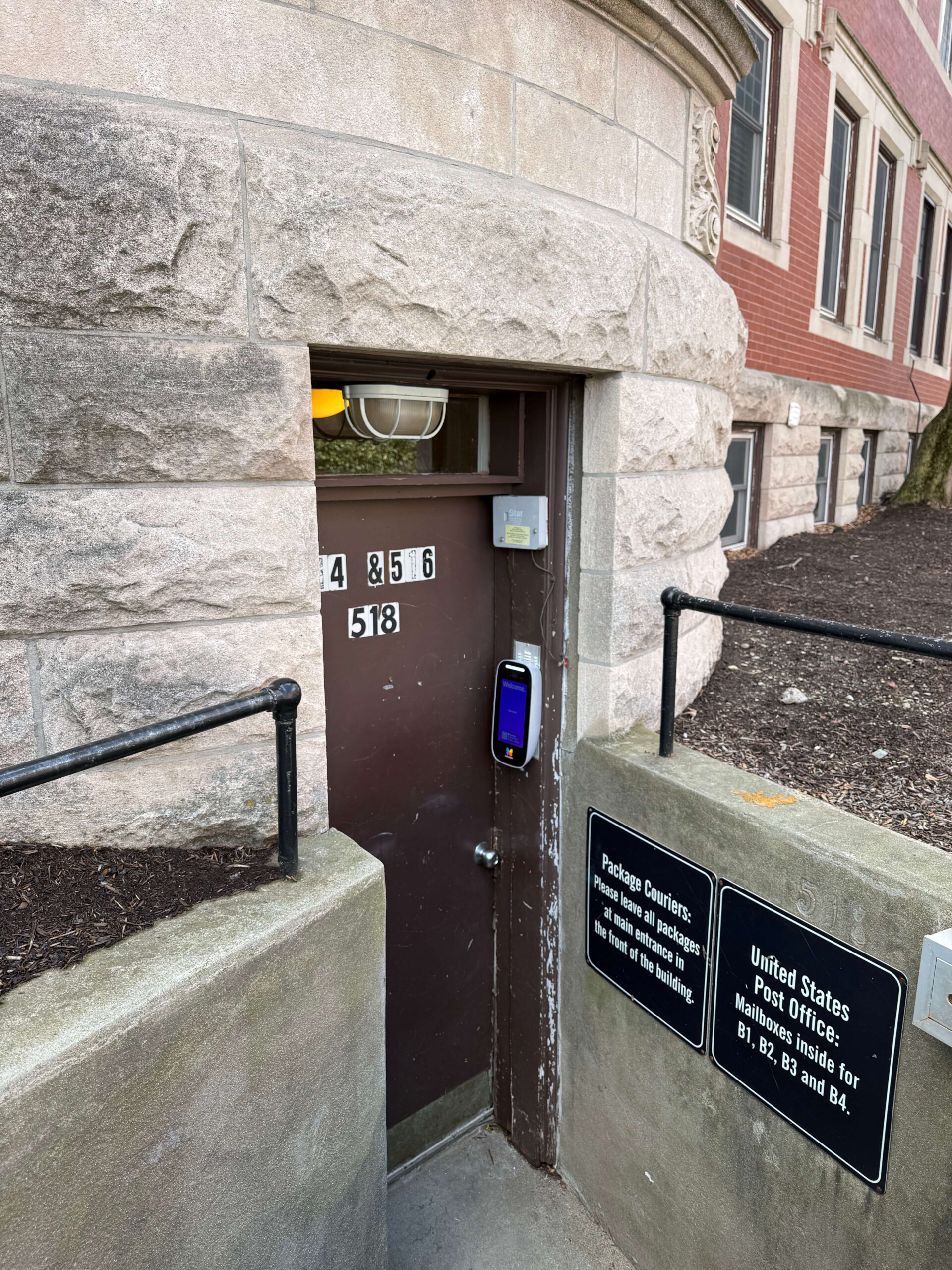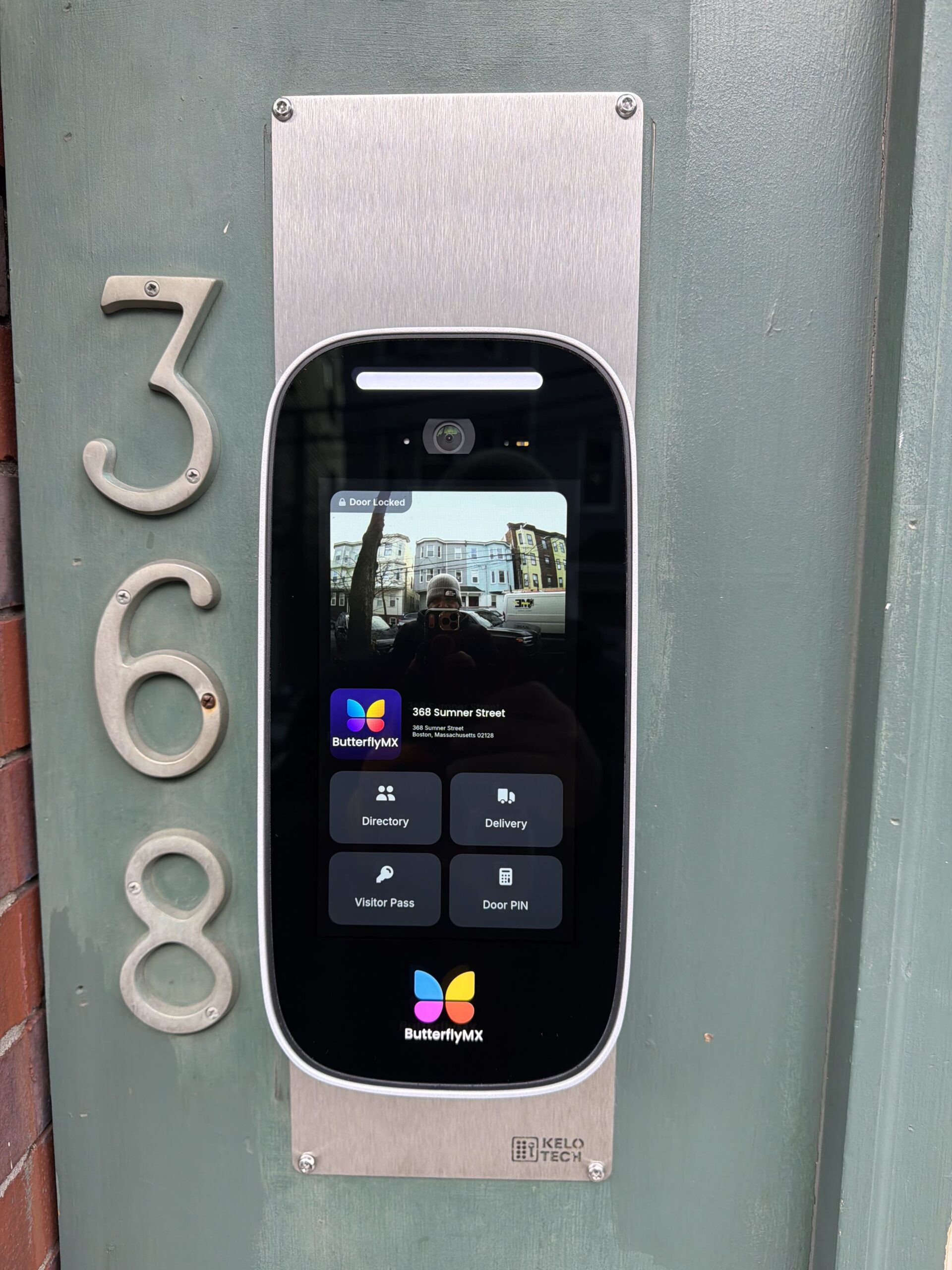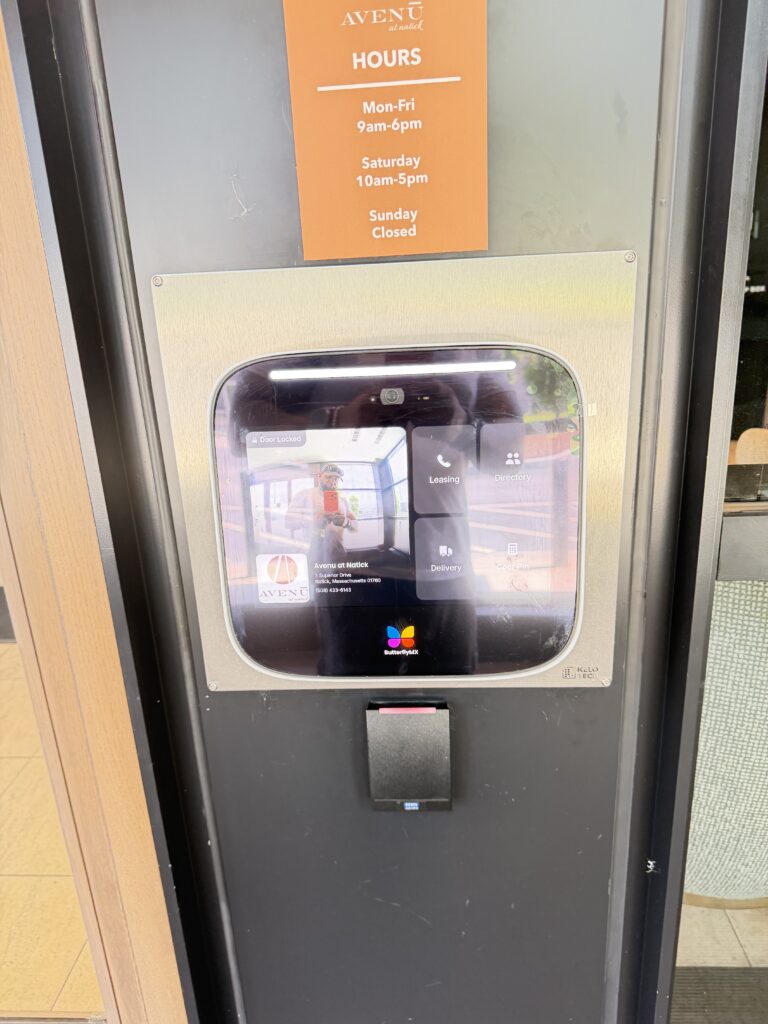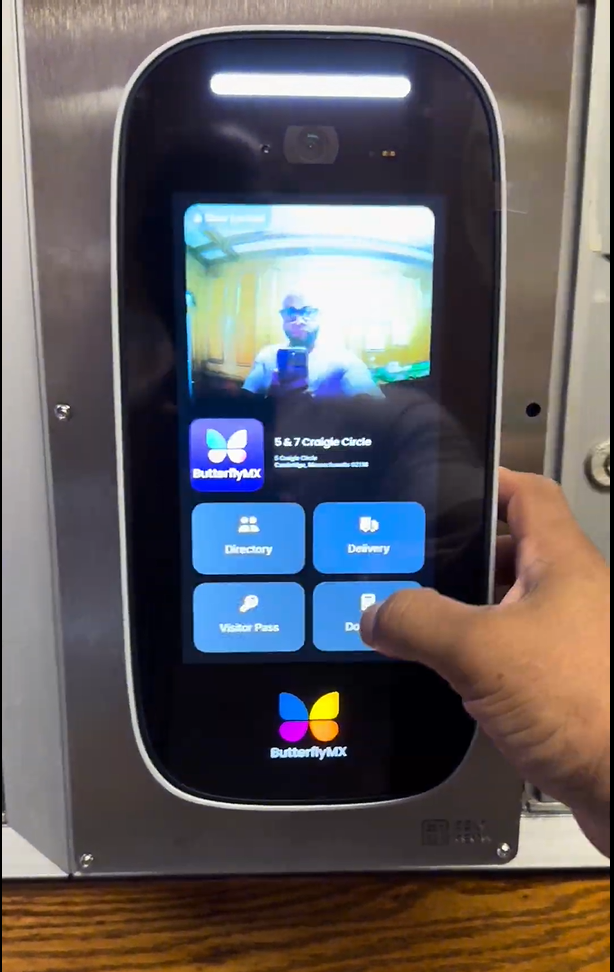
Our smart automation solutions connect security, access, and monitoring systems into one intelligent platform. Designed for convenience and efficiency, these systems provide centralized control and scalable integration for your property.
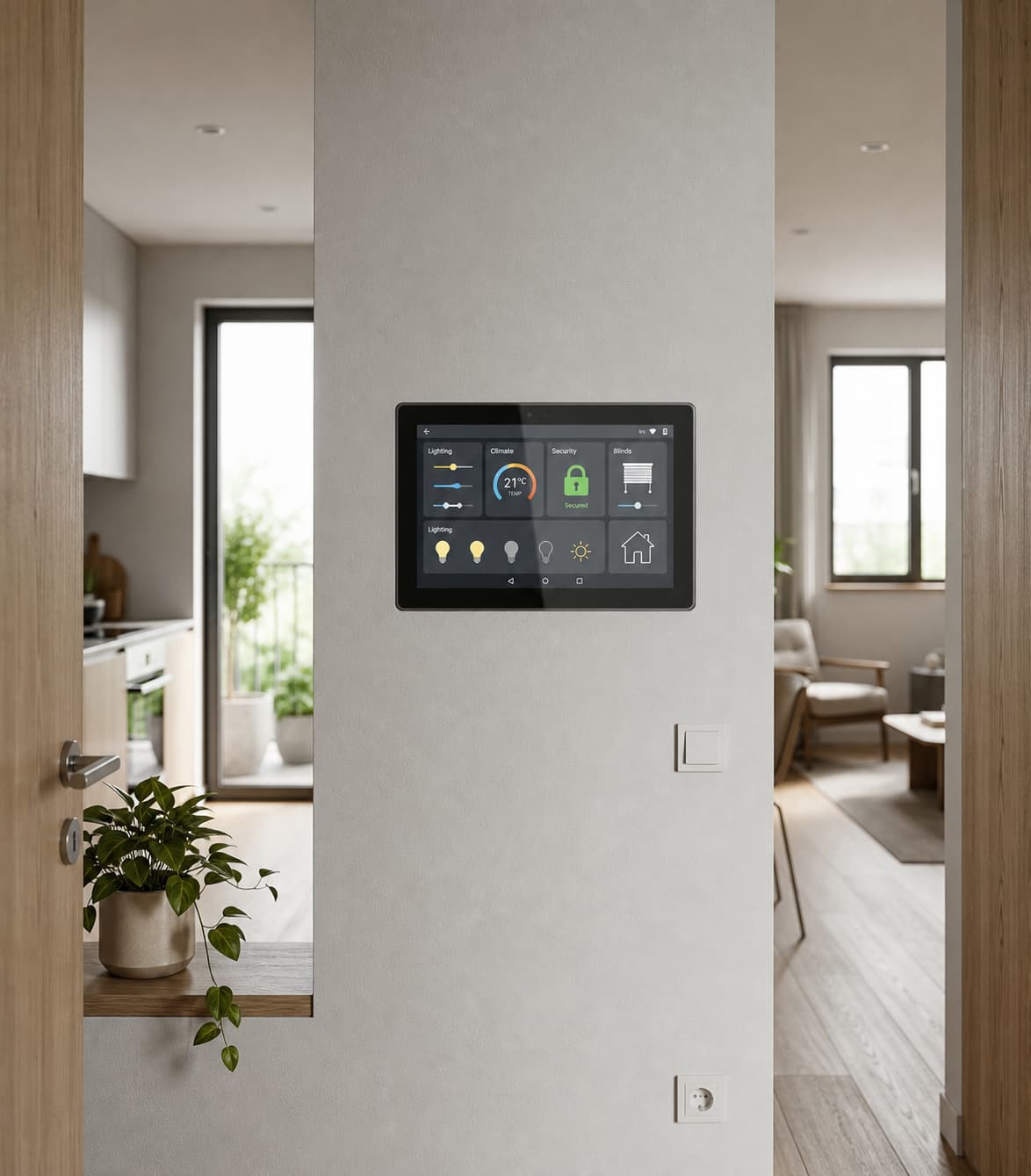
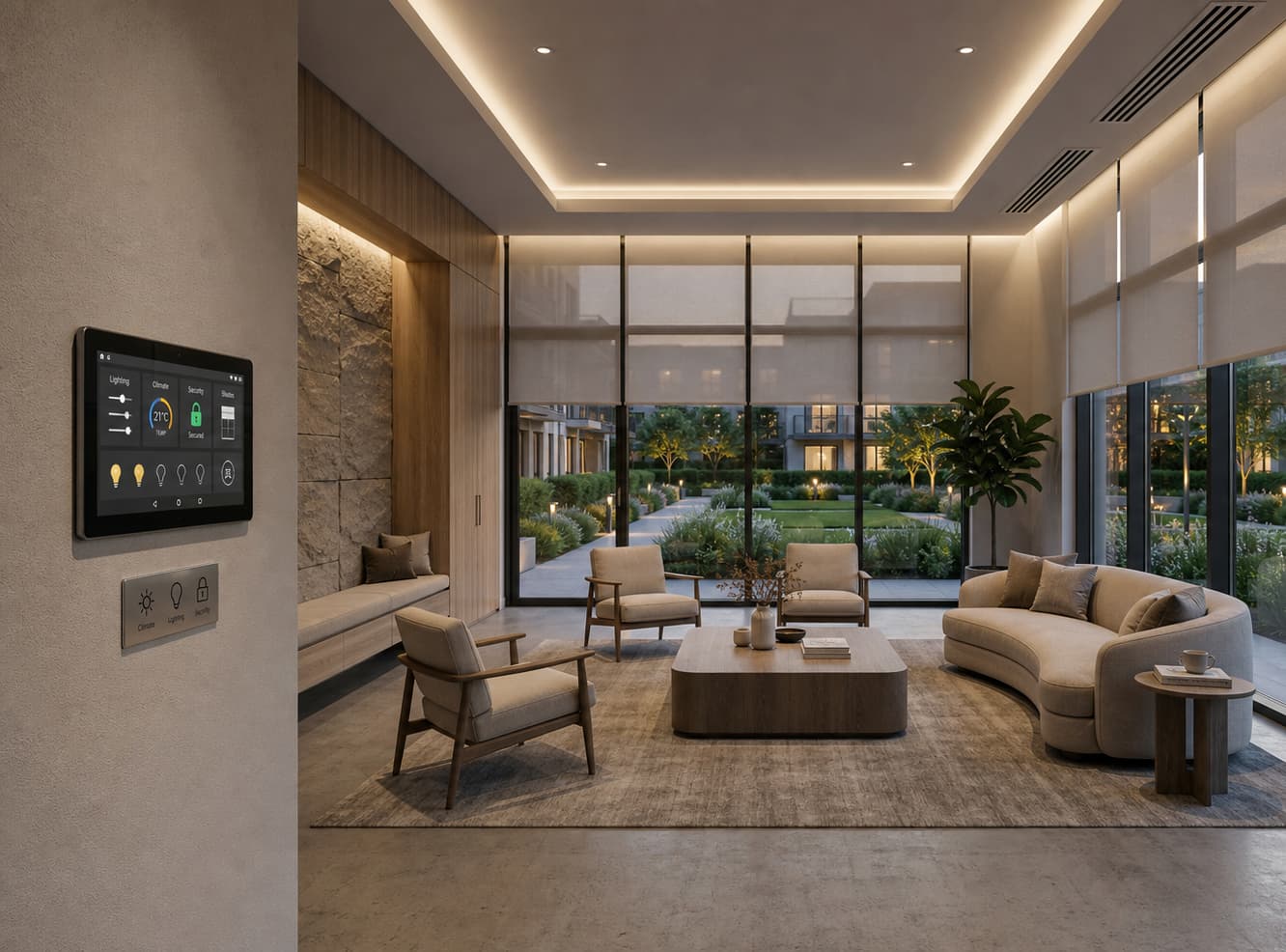
Our smart home and building automation solutions unify your low-voltage systems into one intelligent platform. We integrate access control, surveillance, intercom, lighting, and other connected technologies for centralized management and control. Automation enhances convenience while maintaining strong security standards across your property.
Systems can be configured for remote access, scheduling, and real-time notifications to improve operational efficiency. We design each automation setup based on your building’s infrastructure and future scalability goals. Structured wiring ensures stable connectivity and reliable system communication. Whether for residential or commercial applications, our automation solutions are built to simplify management while maintaining performance and control.

We review your objectives, property requirements, and security priorities to understand your project scope.

Assessment A qualified technician conducts a detailed evaluation of your property, infrastructure, and system layout.

We prepare a tailored proposal outlining recommended solutions, system specifications, and project scope.

Our team completes the installation with precision, ensuring proper wiring, configuration, and system performance.
Explore Our Featured Products
Fast, straightforward quoting with clear scope and pricing. We assess your needs and deliver a reliable estimate without unnecessary delays.
View Our Completed Projects
Smart home automation gives a property owner one practical layer of control over lighting, climate, entry, and security. When the platform is planned correctly, daily routines become easier to manage, devices respond in the right order, and the house stays easier to monitor without turning every room into a complicated gadget project.
For most owners, the value is not novelty. It is a cleaner way to run the property: lights that follow occupancy, climate that reacts to schedule changes, locks that support managed access, and security that can be checked from one place instead of five separate apps.
A modern residence works better when connected devices follow real living patterns instead of random app commands. The best result usually comes from mapping morning departure, evening return, nighttime lockup, guest entry, and away mode before any programming begins. That planning stage matters more than the number of devices on a proposal.
Many people use the terms smart home and home automation as if they mean luxury by default. In practice, they describe a coordinated setup that can reduce repetitive manual actions, improve oversight, and keep key functions predictable. A small property can benefit just as much as a larger one if the logic is right.
Smart home automation is the structured coordination of connected devices so lights, shades, temperature, entry points, sensors, and selected appliances can respond to commands, schedules, or conditions. The purpose is not to add clutter. The purpose is to give the property a stable operating pattern.
A clear definition matters because an automation smart home should be built around routine, not trend language. In one residence, that may mean a morning scene that raises hallway lights gradually and warms the kitchen before breakfast. In another, it may mean leak alerts, gate release, and exterior lighting after sunset.
Core functions often include:
The most useful way to automate smart home behavior is to start with three or four daily actions that happen repeatedly. Once those actions are reliable, expansion is easier and far less frustrating.
Most smart home automation systems rely on a central controller, software layer, or integrated hub that passes commands between sensors, relays, dimmers, locks, thermostats, and monitoring devices. Some projects use wireless communication. Others rely on wired infrastructure for greater stability. Mixed architecture is also common when one part of the property is already finished and another is being renovated.
A reliable design does not treat every device equally. It assigns priorities. Security events, entry credentials, and climate protection usually need stronger reliability than decorative scenes. That is why home automation and smart home systems should be planned as an operating framework, not as a shopping list.
A typical sequence may look like this:
This is where mobile app access becomes useful. The app should confirm status clearly, allow remote changes without delay, and avoid confusing menus that slow down control when a quick decision is needed.
A fully automated smart home reduces friction in ordinary routines. Lights do not need to be checked room by room. Temperature can follow occupancy. Exterior entry can be managed without hidden spare keys. Security status is easier to verify before sleep or when leaving in a hurry.
Practical benefits usually include:
The strongest benefit of an automated smart home is not spectacle. It is consistency. When scenes, schedules, and notifications behave the same way every day, the property becomes easier to live with and easier to protect.
Smart home automation solutions should match the way a property is used in real life. A family house with school runs and service visits needs a different approach from a quiet second residence or a newly renovated townhouse. Good planning separates essential functions from optional extras and prevents expensive overbuilding.
The best solution is usually the one that remains understandable six months later. If nobody remembers how scenes are grouped, who manages access, or what happens after a power interruption, the setup will drift.
Lighting and temperature control are often the first areas where owners notice daily value. These functions affect comfort constantly, so even modest improvements are felt quickly. Useful programming is usually simple: arrival lighting, pathway lighting at night, automatic shutoff in empty zones, and climate changes based on schedule or occupancy.
A sensible setup may include:
The best projects avoid extremes. Not every lamp needs a rule, and not every room needs its own logic. A smaller number of well-tested actions is usually better than a long list of features nobody uses.
Security deserves a tighter planning process than convenience features. Smart home automation and security systems should work together clearly so entry, alarm states, camera review, and selected notifications follow a defined pattern. If the sequence is vague, people begin bypassing steps, and reliability drops.
Useful coordination often includes:
An automated smart home systems package should not overwhelm the user with constant notices. The best approach filters events so important issues stand out: forced entry, water under a sink cabinet, garage activity during away mode, or repeated invalid access attempts.
Access control becomes far more useful when linked to routine rather than treated as a separate gadget. Remote unlock for deliveries, time-limited credentials for contractors, and managed codes for cleaners or relatives can reduce key duplication and improve accountability.
Strong planning usually covers:
This is also where cheap installers create long-term problems. If door alignment, strike position, and lock behavior are not tested carefully, the digital layer gets blamed for a physical issue.
Full home automation works best when one action can manage multiple outcomes without confusion. A single departure command may lower selected lights, change climate mode, confirm lock status, and place security in the correct state. A return scene may reverse only the functions that matter at that moment.
That kind of full home automation does not need theatrical programming. It needs clear priorities, realistic timing, and a control layout the owner can understand immediately. The best interfaces feel boring in a good way: clear labels, obvious status, and no hunting through nested menus.
Technology choices affect reliability more than appearance does. A project may look polished on a tablet screen and still fail under daily use if the backbone is weak, the network is unstable, or the device mix is inconsistent. Selection should be based on operating needs, finish stage of the property, and long-term service expectations.
Full home automation systems usually combine control processors, lighting modules, thermostats, sensors, entry devices, and selected audiovisual or shading components. The exact mix depends on the property and budget, but the best designs keep the structure legible.
A solid package often separates three layers:
| Layer | Primary role | Why it matters |
| Control layer | sends commands and manages logic | keeps actions coordinated |
| Device layer | dimmers, relays, locks, sensors, thermostats | performs the physical task |
| User layer | app, keypad, touch panel, voice control | gives the owner clear access |
This is where an automated smart home systems approach becomes more resilient. Each layer has a clear job, which makes diagnosis easier when something needs adjustment.
High-end home automation systems usually appear in larger residences, architect-designed builds, or projects where lighting design, shading, audio, gate entry, and climate zoning must all work together. The point is not excess for its own sake. The point is a higher level of coordination across more rooms, more scenes, and more security requirements.
A high end home automation system may include:
The best high end home automation projects are also the ones with the clearest documentation. Complexity without documentation becomes a service problem later.
Smart wired home automation systems are often chosen where reliability is the main concern, especially in new construction or major renovation. Wired infrastructure can support faster response, cleaner device grouping, and more stable communication in large properties or in spaces with dense materials that weaken wireless performance.
These systems are not automatically the best for every project. Retrofitting finished walls can increase labor and cost. Still, for some owners, a wired backbone is the best long-term decision because it reduces dependency on battery cycles and inconsistent signal paths.
Integrated smart home control platforms bring multiple functions into one clear operating environment. The main advantage is not only convenience. It is fewer fragmented decisions. Instead of opening separate apps for climate, locks, cameras, and lights, the owner can check status and make changes through one control layer.
A strong platform should provide:
The best platforms also make later upgrades easier because new devices can be added without rebuilding the whole setup.
Smart home automation installation should begin with a site review, not a device catalogue. Wall finish, power availability, Wi-Fi quality, rack location, exterior exposure, and entry hardware condition all influence the final result. Programming comes later. First the physical conditions must support a stable outcome.
Professional smart home automation installation typically includes design review, wiring or power assessment, device mounting, software setup, scene programming, user access configuration, and live testing. Good installers also verify what happens after a router reboot, power cut, or manual override, because those are the moments when weak planning becomes obvious.
A disciplined installation process usually covers:
Smart home automation installers need to understand both hardware behavior and user logic. A smart home automation installer who can mount devices but cannot structure a clean control sequence leaves the owner with a half-finished result. Programming is where the property becomes usable.
Experienced installers normally define:
The best installers test with the owner, not only for the owner. That handoff stage matters because it reveals confusion before the project is closed.
A custom smart home system setup should reflect architecture, daily rhythm, and future changes. Families with children often need different control rules from frequent travellers or owners who rent part of the property seasonally. One preset model rarely works well for all cases.
A useful handoff package should include:
| Item | Why it matters |
| user roles | prevents uncontrolled changes |
| scene list | keeps operation understandable |
| support contact path | speeds up service requests |
| warranty notes | clarifies equipment coverage |
Smart home automation services matter long after commissioning. Devices age, apps update, internet hardware changes, and owners add new requirements. Without structured service, even a strong project can become inconsistent.
Smart home system maintenance and upgrades usually involve firmware review, scene adjustment, battery replacement schedules, network checks, and compatibility updates when new equipment is introduced. This is where quality becomes visible. Stable service keeps the property predictable.
A good service plan should address:
For owners comparing companies, this is often the best place to look past sales language. The best company explains ongoing support clearly. The best companies also define what is included, what is billed separately, and how quickly a technician responds when a security-related issue appears.
Smart home automation security integration should be approached with stricter testing than comfort features. Cameras, locks, alarms, leak detection, and selected perimeter lighting affect real risk. The service team should verify event logic, user permissions, and alert paths regularly.
Useful review points include:
For many owners searching smart home automation near me, the real question is not location alone. It is whether the provider can support the installed platform properly after handoff.
Cost planning should separate essential control from optional extras. That keeps the budget realistic and prevents overspending on features that look impressive in a showroom but add little value in daily life. In many projects, phased implementation is the best route: security, lighting, and entry first; secondary functions later.
Smart home automation cost depends on infrastructure, device count, finish stage of the property, and the amount of programming required. A retrofit in a finished residence may cost more than a cleaner prewire during renovation. Security integration, gate control, distributed audio, and custom scenes also affect the final price.
Major pricing factors include:
| Factor | Typical effect on cost |
| renovation stage | finished surfaces raise labor complexity |
| number of controlled zones | adds modules and setup time |
| security scope | requires tighter testing and integration |
| interface type | panels and advanced keypads increase price |
| support expectations | affects service planning |
How much does full home automation cost? The honest answer depends on scope. A modest setup for lighting, climate, and entry can stay relatively controlled. A broader package with shading, gate release, cameras, alarms, rack equipment, and advanced scenes will cost more because the labor and programming grow with it.
The best budgeting approach is to define:
In many cases, the cheapest route is not the best route. Inexpensive hardware or cheap installers can increase the total price later through service calls, replacement, and reprogramming.
High-End Home Automation System Pricing is usually shaped by design complexity, property scale, finish expectations, and integration depth. A high end home automation system with detailed lighting scenes, distributed media, advanced climate zoning, and stronger security layers requires more engineering, more testing, and more documentation.
For owners seeking a high standard without wasted spend, the best strategy is simple: prioritise functions that improve daily use, insist on experienced installers, request clear service terms, and choose a solution that remains understandable after the project is complete. That is what turns connected technology into a reliable long-term asset instead of an expensive experiment.